What Is Business Communication? A Complete Guide for Modern Companies

9 mins read

Posted on May 22, 2024


Vignesh N
SEO


Vignesh N
SEO






Every great business runs on one silent engine, ie, communication that powers collaboration, decision-making, and customer loyalty.
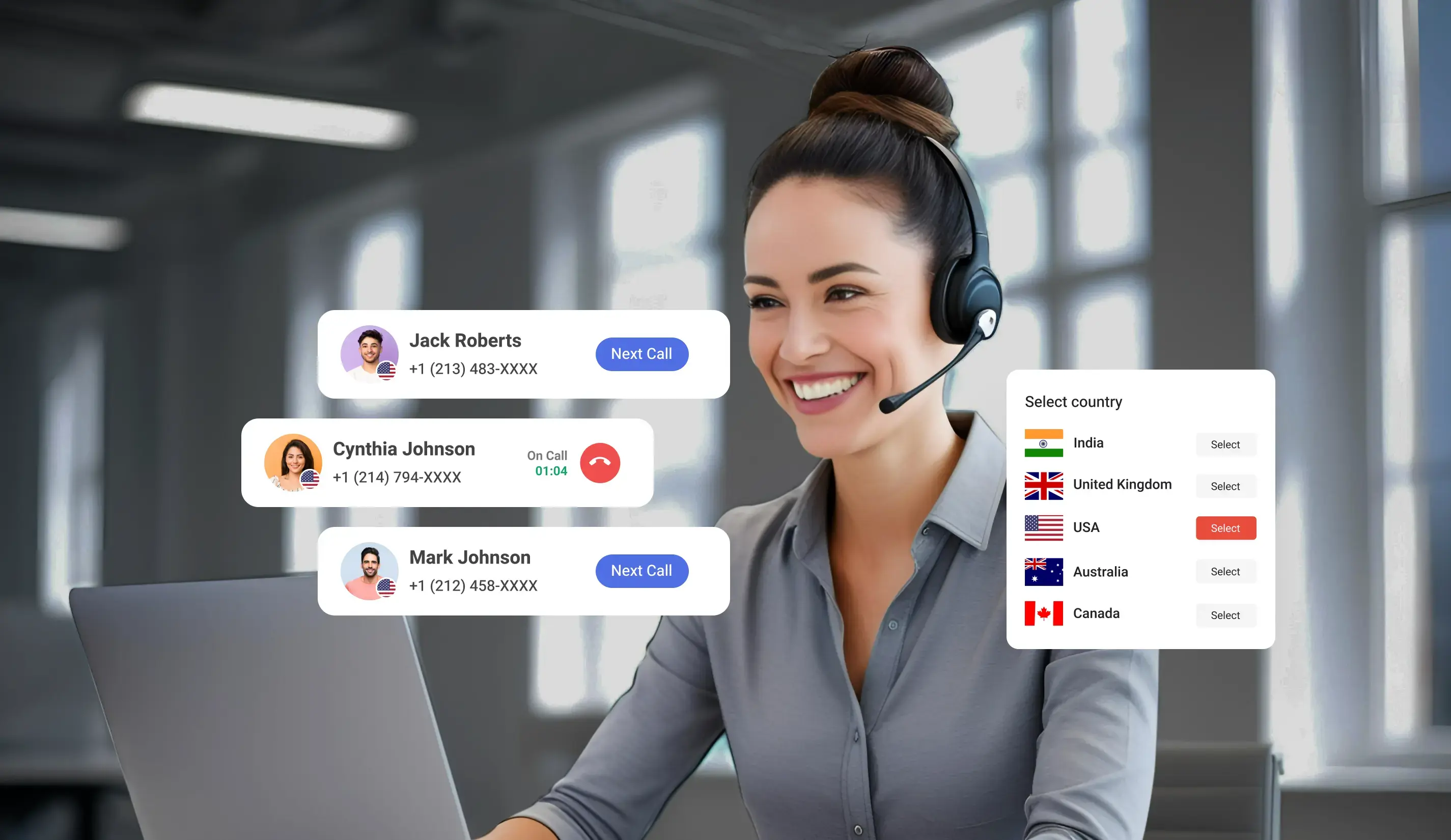
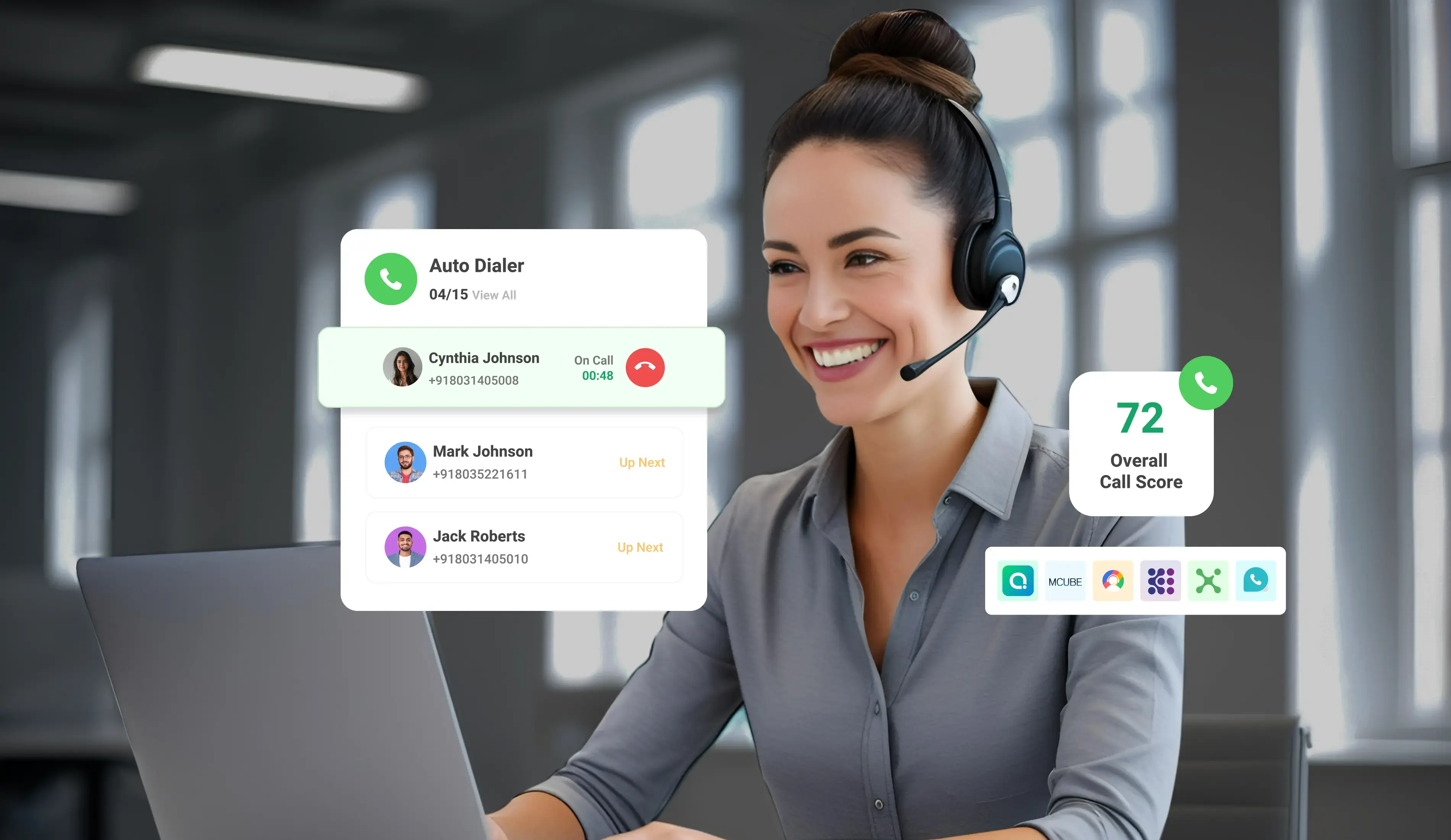
As organizations adopt hybrid work, borderless teams, and digital-first approaches, the focus has shifted from "how we talk" to "how we connect." Voice and messaging now occupy the center stage of this change, connecting the dots between human touch and digital productivity.
In this guide, we'll explore how voice and messaging enable organizations to leverage both for greater agility, deeper relationships, and confident leadership.

Overview:
How organizations communicate determines how they compete. As organizations navigate hybrid work and digital acceleration, the way leaders communicate defines how quickly teams align, innovate, and respond. Voice adds authenticity, empathy, and subtlety to each interaction, while messaging provides precision, speed, and scale. Combined, they enable organizations to remain authentic, responsive, and deeply connected in a world that has no time to stop communicating. This guide examines how the integration of voice and messaging changes business communications, transforming daily interactions into strategic drivers of agility, trust, and long-term growth.
What is Business Communication?
Business communication refers to the process of sharing information within and outside an organization to stay aligned, resolve queries, and achieve common goals. It encompasses interactions among employees, teams, leaders, stakeholders, prospects, customers, or investors. Business communication includes how an organization communicates, listens, and responds using various channels such as emails, meetings, calls, reports, chats, digital platforms, and business phone systems. Modern business phone systems, including cloud PBX and virtual PBX solutions, play a vital role in streamlining real-time conversations, managing calls, and supporting collaboration, ensuring all parties remain connected and informed.
Voice and Messaging: The Pillars of Business Communication
Voice and messaging have emerged as the dual pillars of business communication. They define the way organizations collaborate, communicate, and engage both within and outside themselves. While voice adds the emotional depth and human touch, messaging provides instant, scalable, and convenient communication—making it equally significant for professionals to develop and assess strong communication skills using reliable academic and professional evaluation tools like Proofademic that help ensure clarity, trust and effectiveness across channels.
Voice Communication Remains Irreplaceable:
Voice is the most human and non-replaceable medium for substantial business engagement. It conveys emotion, tone, and intent that automated scripts can't match. With voice communication, business people can:
- Convey empathy, sincerity, and understanding through voice.
- Allows instant clarification, complex discussions, negotiations, or problem-solving moments.
- Build stronger relationships, deliver faster resolutions, and foster a culture of authenticity.
Messaging for Speed and Scale:
Messaging enables companies to connect instantly, automate interactions, and maintain continuity, making it one of the most effective tools in modern business communication.
- Messaging enables businesses to instantly connect with customers and employees via SMS, WhatsApp Business, or in-app chat.
- Automation and chatbots can process simple questions, confirmations, and reminders.
- Chat histories prevent context from being lost throughout interactions, enabling easy follow-ups.
Omnichannel Communication:
While voice provides human touch and messaging provides speed and scalability, omnichannel communication makes customers and employees have a seamless, integrated journey across all touchpoints.
- Omnichannel makes a conversation move between channels without context loss. Tools like The QR Code Generator (TQRCG) can further enhance omnichannel strategies by bridging offline and online touchpoints, allowing customers to move seamlessly from physical interactions to digital conversations.
- Maintain consistent messaging, tone, and branding across voice, messaging, email, and social media.
- Employees can switch between chat, calls, and video seamlessly, enabling real-time collaboration and faster decision-making.
Benefits of Business Communication Workflows
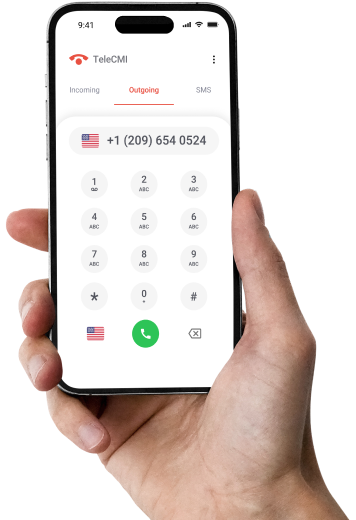
Implementing structured business communication workflows transforms how organizations operate. Well-developed workflows ensure that the right message reaches the appropriate individuals at the right time, minimizing miscommunication and increasing productivity. Integrating a cloud PBX phone system into these workflows further enhances communication by enabling seamless call management, easy scalability, and real-time collaboration across teams and locations, making business communication faster and more efficient.
The major advantages of successful business communication workflows are as follows:
Faster Decision-Making: By reducing delays and eliminating confusion, organizations can make informed decisions faster, respond to market changes promptly, and maintain a competitive edge.
Enhanced Customer Satisfaction: Workflows simplify how questions, complaints, or feedback are processed, and customer requirements get served more effectively.
Consistency Across All Touchpoints: With well-defined workflows, employees follow standardized processes for communicating both internally and externally.
Improved Collaboration: Teams can coordinate more effectively, share updates seamlessly, and reduce silos, resulting in higher productivity and better project outcomes.
Data-Driven Optimization: Data facilitates ongoing improvement, allowing teams to optimize processes, detect bottlenecks, and streamline overall communication effectiveness.
Building an Effective Voice & Messaging-Driven Communication Strategy
A voice and messaging-driven strategy enables organizations to communicate quickly, serve more effectively, and work more intelligently together. Here's how to effectively build one:
Audit Your Existing Communication Ecosystem:
An audit will help you uncover holes, gain insight into user behavior, and determine where enhancements or integrations need to occur.
- Identify all the tools, channels, and workflows your organization uses both internally and externally.
- Look for inefficiencies such as delayed responses, duplicated systems, or disconnected platforms.
Define Key Objectives per Channel:
Every communication channel has a specific role. Establishing clear objectives ensures that voice and messaging are utilized strategically, not interchangeably.
- Voice: For high-value, complex, or emotional conversations (e.g., sales conversations, customer escalations, leadership meetings).
- Messaging: For quick, transactional, or scalable interactions (e.g., status reminders, reminders, or rapid replies).
Unify Tools for Internal + External Communication:
With voice and messaging integrating into one single, cohesive platform, data flows easily between departments and customer-facing teams.
- Unifying communications platforms with CRMs, customer support tools, and collaboration software.
- Gives a 360° view of all interactions, allowing employees to react more quickly, remain up-to-date, and provide a consistent customer experience.
Train Your Teams:
Train staff to manage both messaging and voice interactions with empathy, accuracy, and consistency.
- Recurrent training ensures that workers know not only the tools but also the communication tone, etiquette, and intent.
- Promote soft skills on voice calls (active listening, tone management) and clarity on messaging (brief, professional writing).
Use Data to Refine Over Time:
Insights from data help improve workflows, channel usage, and overall performance.
- Discover what is working and where there is friction.
- Utilize analysis to track response time, satisfaction ratings, and engagement.
How to Measure the Impact of Communication Improvements
Measuring performance through well-defined metrics allows organizations to see whether their voice and messaging strategies are yielding significant outcomes. Through tracking internal and external metrics, leaders can continuously optimize communication processes for effectiveness, engagement, and satisfaction.
Internal Metrics
These metrics measure how well your teams are communicating and working together within the organization.
- Employee Response Time: Measures the speed with which employees reply to internal messages, calls, or requests. Shorter response time indicates more engagement, responsibility, and interdepartmental operational flow.
- Collaboration Frequency: Monitors how frequently teams collaborate across channels by meetings, chats, or calls. Higher frequency of formal collaboration tends to indicate a healthy culture that encourages alignment and innovation.
- Internal Satisfaction Score: Collects employee feedback regarding the clarity, accessibility, and efficacy of internal communication tools and processes. Satisfactory scores mean that teams are informed, supported, and connected.
External Metrics
These KPIs measure the quality and effectiveness of your organization's customer or external stakeholder communication.
- Customer Satisfaction (CSAT): An immediate gauge of happiness in customers post-interaction. High CSAT usually indicates responsive communication, empathetic service, and satisfactory resolution via voice or messaging.
- First Contact Resolution (FCR): Measures the frequency of customer inquiries being resolved at first contact with no escalation or follow-up. A high FCR rate proves that your communication channels are offering accuracy, speed, and context in each interaction.
- Messaging Response Rate: Evaluates how quickly your team responds to incoming customer messages on different media (SMS, WhatsApp, chat, etc.). A faster response rate bears a direct correlation with customer satisfaction and perceived service quality.
Latest Trends Transforming Business Communication
Organizations are shifting towards intelligent, conversational, and connected ecosystems where each interaction is optimized for clarity and efficiency. The following are the most significant trends are redefining the future of how businesses connect, collaborate, and communicate.
AI-Driven Voice Assistants and Transcriptions: AI-powered voice assistants manage mundane questions, make call appointments, and provide immediate information. Simultaneously, real-time transcription and sentiment analysis tools translate spoken words into actionable information, enabling teams to scan for tone, identify intent, and enhance customer care.
Global Messaging Expansion: Platforms like WhatsApp Business, Telegram, and WeChat now connect organizations with global audiences in real time. Combined with automation and AI chatbots, global messaging platforms empower organizations to maintain personalized engagement across time zones and languages.
Shift from Email to Conversational Interfaces: Teams increasingly use collaborative chat platforms such as Slack or Microsoft Teams, whereas customers interact via live chat and in-app messaging. Conversational interfaces produce seamless, context-based interactions with fewer delays and more transparency.
Automation in Initial Interactions: Chatbots, IVR systems , and AI-driven responders handle repetitive inquiries, route conversations, and collect essential data before human agents step in. This hybrid model allows for instant recognition and guidance to customers, while employees concentrate on hard, high-value interactions.
Key Takeaways:
 The way an organization communicates directly influences its speed, culture, and competitiveness.
- Voice creates trust and authenticity; messaging provides precision and speed.
- Smooth communication across platforms provides continuity, brand consistency, and customer experience.
- Organized communication workflows provide clarity, responsibility, and consistent action.
- Measuring response times, satisfaction scores, and collaboration patterns enables continuous improvement and smarter communication.
- AI, automation, and integrated platforms are not substituting for human connection; they're enhancing it.
Conclusion:
The business communication future is at the confluence of human touch and technological smartness. By converging voice and messaging across channels, organizations can build agile, transparent, and empathetic communication ecosystems. When combined through intelligent, omnichannel strategies, they allow organizations to operate faster, respond with empathy, and maintain alignment across teams and customers.
Rethink Your Business Communication Today

Voice & Messaging Integration
Omnichannel Collaboration
AI-Powered Assistance
Frequently asked questions (FAQ)
Vignesh N

With deep expertise in cloud telecommunications, I help readers explore the latest trends in VoIP and modern business communication. At TeleCMI, I focus on educating businesses with clear, practical insights, making complex telecom concepts easy to understand. I’m passionate about helping organizations improve efficiency, enhance customer engagement, and adopt smarter communication strategies.