What is Hosted Contact Center? and Why it's the Best Option

12 mins read

Posted on May 22, 2024


Vignesh N
SEO


Vignesh N
SEO






A well-organized hosted contact center software, complete with IVR menus, automatic callbacks, and attended call transfers, can boost customer satisfaction. Customers want options for waiting on hold. They also want to know where they're being routed and to be assisted even if the person they're being transferred to isn't available.
Having a comprehensive hosted call center in your arsenal, such as TeleCMI, is the best way to keep your customers happy from call to call.
A hosted contact center software increases to 70% in call handling efficiency and, in 2023, the handling of 144,652 calls using 585 international numbers.
What is a Hosted Contact Center?
It is a cost-effective solution for organizations to maintain their customer interactions over the cloud.
Top rated hosted contact center service provider is hosted on a remote off-site server provided by industry solution provider. The agents can access it over an internet connection.
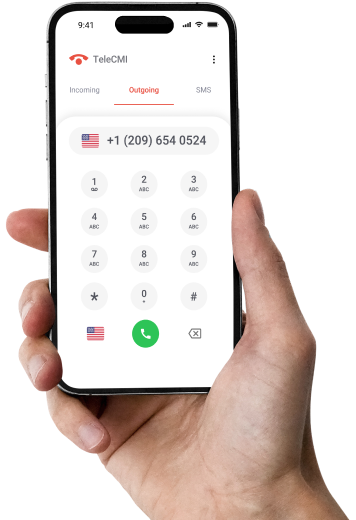
How Hosted Contact Center Software Works?
A hosted contact center outsources businesses' customer communication infrastructure to a third-party service provider. Instead of getting worried about maintaining their own hardware and software, they rent access to it from the provider’s secure cloud platform.
Here’s what’s included and you need to run a hosted service
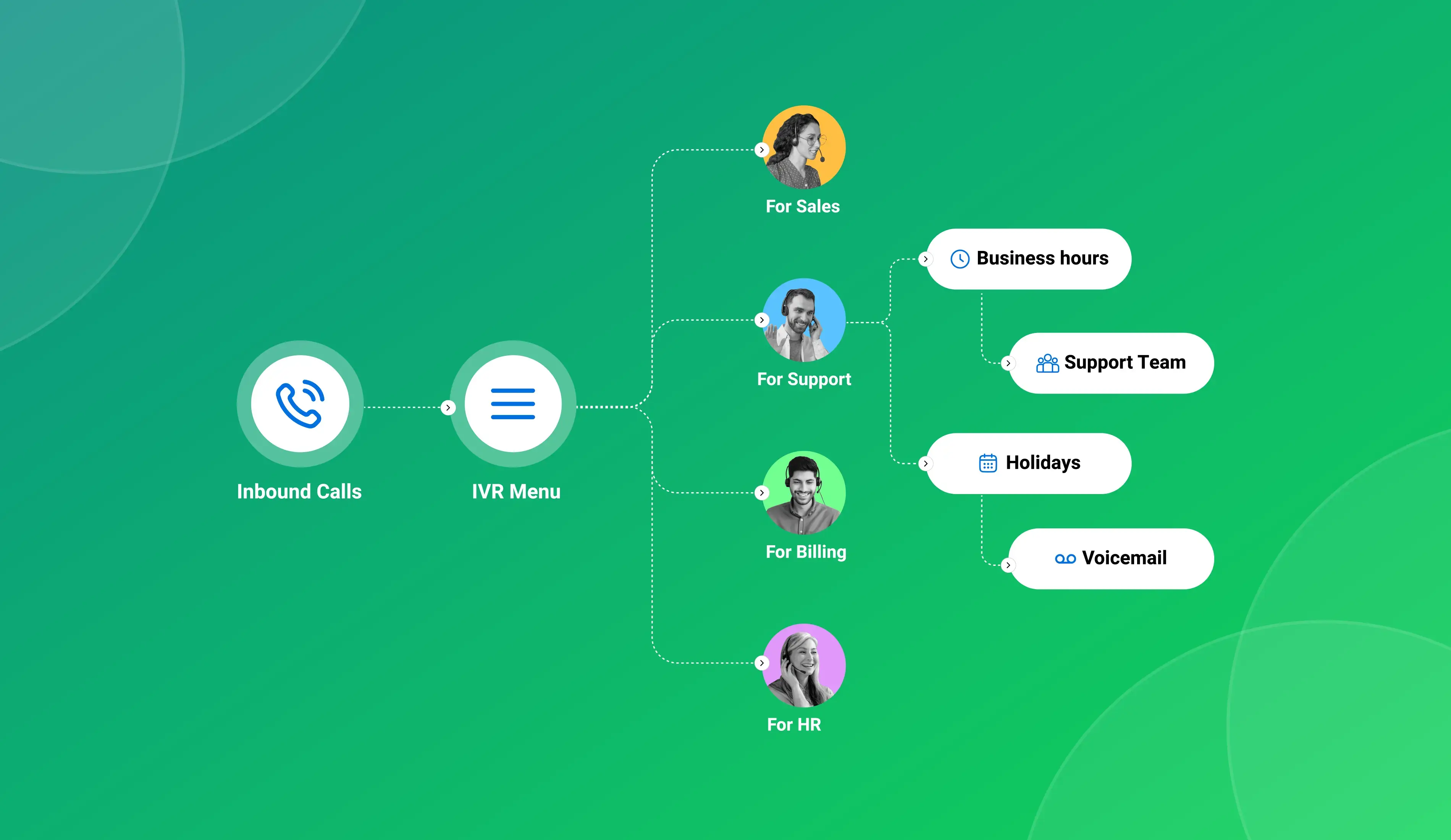
Infrastructure:
The service provider maintains the necessary hardware and network infrastructure in secure data centers or cloud platforms. This includes servers, storage, networking equipment, and other resources required to support the contact center operations.
Agents:
Businesses employ agents who interact with customers via multiple communication channels like phone calls, emails, chats, and social media. These agents access the hosted contact center software through web-based interfaces or dedicated applications provided by the service provider.
Routing:
Incoming customer communications are directed to the most appropriate agent based on predefined routing rules. This could include skills-based routing, time-based routing, geographic routing, or other criteria set by the business. The hosted software manages the routing logic to ensure efficient handling of customer inquiries.
Applications:
Agents use web browsers to access contact center applications, which include phone controls, CRM integration, chat interfaces, and data dashboards and reports.
Administration:
The provider is responsible for managing the infrastructure, applications, and backups. Web interfaces enable businesses to self-manage agents, call flows, and reporting.
Scalability:
Cloud contact center platforms are more easily scaled up or down than on-premise systems, allowing for greater flexibility in dealing with call fluctuations. Businesses pay for only what they use.
Disaster recovery:
The infrastructure is distributed rather than centralized on-premise, which ensures business continuity.
Overall, hosted contact center software offers businesses a flexible, cost-effective solution for managing customer communications while assigning infrastructure management to a reliable third-party service provider.
How are Hosted Contact Centers Different from Cloud Contact Centers?
Hosted Contact Center
Infrastructure: Needs a physical server and third-party hosting.
Features: Low maintenance costs, flexible and scalable operations.
Cost and Maintenance: A hosted contact center is a cost-effective solution for businesses or organizations to maintain their customer interactions over the cloud.
Security: High security, but few disaster recovery and business continuity options.
Integration: Hosted contact centers simplify integration using APIs
Cloud Contact Center
Infrastructure: Hardware-software are hosted off-site by the provider.
Features: Easy integration, low maintenance costs, rapid disaster recovery, and flexible and scalable operations.
Cost and Maintenance: Minimal maintenance and no upfront investments.
Security: It provides rapid disaster recovery, business continuity resilience, and remote access.
Integration: Offers easy integration with pre-built integrations and APIs, allowing for seamless connectivity.
The above mentioned are some of the differences between hosted contact centers and cloud based contact centers.
Benefits of a Hosted Contact Centers:
Hosted service providers provide advanced contact center technology at an affordable price for small and medium-sized businesses.
A hosted contact center provides significant advantages and are mentioned below:
Contact center virtualization:
Hosted contact centers rely on the cloud rather than physical infrastructure and copper wires. Agents can connect to their workstations from anywhere with an internet connection.
This makes them extremely adaptable, allowing for remote work and supporting agents on the go.
Rich features for agents and supervisors:
Modern hosted contact centers undertake an array of strong features designed to manage high call volumes across distributed teams. Here are some of the most common features found in such platforms:
- Call queues to efficiently route and manage incoming calls
- Call recording, monitoring, and whisper capabilities
- Real-time agent dashboard showing availability status
Integration with business systems:
Hosted contact centers simplify integration using APIs. This includes connecting your phone system to hosted contact centers are ideal for businesses that require omnichannel support.
If you're looking for new features and faster innovation, cloud calling software providers are constantly updating their platforms with new features and functions. With a hosted solution, you will automatically benefit from these updates without making any additional investments.
Furthermore, if you require advanced contact center features, hosted Cloud Contact Center Solution had the capability to provide sophisticated capabilities without requiring significant hardware investments.
Many smaller businesses find it financially appealing because it allows them to scale and pay only for what they use. Startup companies can get up and moving quickly without incurring significant upfront costs and easily manage fluctuating customer interactions. CRM platforms such as Salesforce, which will automatically bring up customer records on incoming calls.
Advanced IVR and intelligent routing:
- Interactive voice response system provides automated self-service options to customers using voice prompts or natural language interfaces. This deflects common inquiries away from live agents.
- Intelligent IVR call routing assigns callers to agents based on configurable rules and criteria.
Outbound calling and campaigns:
Hosted contact centers can efficiently orchestrate outbound calls to specified leads or contact lists.
Today’s feature-rich hosted contact centers empower distributed teams to deliver superior, scalable customer experiences across both inbound and outbound interactions and drive better agent performance.
Quick and easy deployment:
Hosted contact centers require less time and effort to implement and configure hardware and software, a hosted call center can be implemented in a matter of days because businesses do not need to set up their own hardware and data centers.
Hosted solutions are also easier to manage because the service provider take care of all upgrades and maintenance.
Increased scalability and flexibility:
Hosted cloud-based contact center solutions enable greater flexibility and scalability which can easily add or remove features, which can usually be done with a few clicks in the software’s interface.
Cost-efficiency:
cloud-hosted contact centers are more cost-efficient as businesses don’t need to invest in hardware equipment, ongoing maintenance, and upgrades because these all are handled by a service provider.
Who Should Consider a Hosted Contact Center?
Hosted contact centers are ideal for businesses that require omnichannel support.
If you're looking for new features and faster innovation, cloud-based providers are constantly updating their platforms with new features and functions. With a hosted solution, you will automatically benefit from these updates without making any extra investments.
Furthermore, if you require advanced contact center features but have limited resources, hosted cloud contact center solutions can provide sophisticated capabilities without requiring significant hardware investments or IT headcount.
Many smaller organizations find it financially appealing because it allows them to scale and pay only for what they use. Startup businesses can get up and running quickly without incurring significant upfront costs and easily manage fluctuating customer interactions.
How TeleCMI helps to Setup your Hosted Contact center solution for your business?
TeleCMI assists businesses in setting up their hosted contact center solutions by providing comprehensive support and services tailored to their specific needs. Here's how TeleCMI helps:
Consultation and Needs Assessment: TeleCMI begins by understanding the unique requirements and goals of the business. They identify the key features, functionalities, and communication channels needed for the hosted contact center solution through consultation and needs assessment.
Customized Solution Design: TeleCMI designs a customized hosted contact center solution that aligns with the business's objectives. This includes selecting the appropriate software, hardware, and integrations to optimize performance and efficiency.
Implementation and Integration: TeleCMI ensures a smooth transition to the hosted contact center solution by handling the integration process. They configure the software and integrate the solution with existing systems, such as CRM platforms, ensuring seamless operation.
Training and Support: TeleCMI gives training to the business's employees how to use the contact center solution effectively. They provide ongoing support and assistance with any issues that may arise, ensuring that the solution meets the needs of the business over time.
Scalability and Upgrades: As the company grows and evolves, TeleCMI ensures that the hosted contact center solution is scalable and adaptable. They provide upgrades, updates, and new features as needed to keep the solution current and in accordance with changing needs.
Finally, TeleCMI offers comprehensive support for running a hosted contact center solution, enabling businesses to streamline customer service operations and deliver exceptional customer experience.
Highlighted Features of TeleCMI Hosted Contact Center Solutions
TeleCMI's hosted contact center solutions include a variety of features enhanced to improve customer service and streamline communication processes. Some of the highlighted features are:
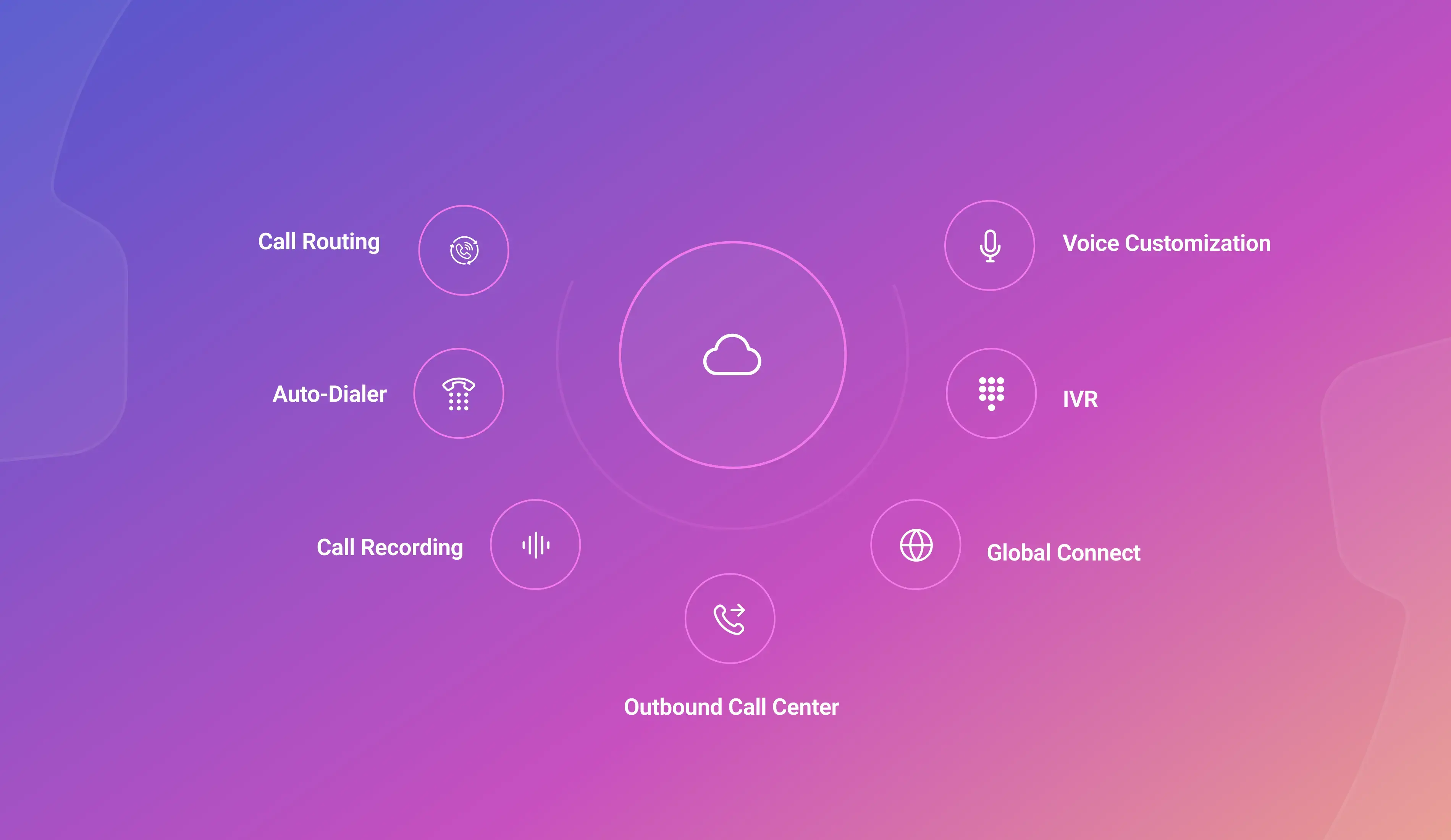
- Auto-dialer
- Global connect
- Voice customization
The above features collectively contribute to improving customer satisfaction, increasing operational efficiency, and driving business growth for organizations utilizing TeleCMI's hosted contact center solutions.
ACD and call routing: The Automatic Call Distribution (ACD) efficiently routes customer calls to the available contact center agents.
Interactive Voice Response (IVR): IVR system is an automated system that communicates with your customers and directs them to the appropriate department.
Call queue management: It is the management of call queues to ensure minimal customer wait time and fair workload distribution
Call monitoring and call recording:
- Call monitoring features enable managers to listen in on live calls and provide assistance to agents.
- Hosted contact center providers securely record and store your calls, allowing you to review them later for evaluation, training, and compliance purposes.
Reporting and analytics: Deriving reports from data is just as important as creating them. Empowering your hosted contact center agents with insightful analytical reports allows you to track varying call volume, new/returning callers, and traffic from various locations.
Outbound dialing: An outbound hosted contact center is a team of agents who call customers to initiate a new transaction.
Omnichannel communication support: The term "omnichannel" refers to the use of a multichannel support center to connect all channels. For example when a customer calls in to follow up on an email, web chat, SMS, or social media transaction, agents have a comprehensive understanding of the customer journey.
Integration with CRM systems: A Zoho crm phone system integration organizes data and functions, streamlining workflows and empowering agents to give better customer experiences.

Key Takeaway
 Hosted contact centers require a physical server, whereas cloud contact centers use cloud technology to host all resources remotely.
- Contact center software is used in hosted and cloud contact centers, allowing customers to contact businesses through phone, email, and social media.
- Cloud contact centers give users access to virtual servers without requiring direct network connections.
- A hosted cloud contact center is located at the service provider's physical location rather than on the client's premises.
Conclusion:
Finally, a hosted contact center solution can help businesses maximize customer satisfaction by providing a seamless, omnichannel experience, reducing wait times, personalizing interactions, increasing availability, and providing key metrics and analytics for improvement. TeleCMI's hosted contact center solution is a powerful tool that can help businesses achieve these and other benefits while also providing all of the functionality of a traditional contact center and the benefits of the cloud.
Explore TeleCMI’s Hosted Contact Center Features

IVR & Automatic Callbacks
Smart Call Routing & ACD
Omnichannel Communication
Frequently asked questions (FAQ)
Vignesh N

With deep expertise in cloud telecommunications, I help readers explore the latest trends in VoIP and modern business communication. At TeleCMI, I focus on educating businesses with clear, practical insights, making complex telecom concepts easy to understand. I’m passionate about helping organizations improve efficiency, enhance customer engagement, and adopt smarter communication strategies.