Auto Dialer for Call Centers: How It Increases Agent Talk Time

13 mins read

Posted on Jul 21, 2026

Saravana Kumar
SEO


Saravana Kumar
SEO





Visualize walking onto your outbound call center floor at 10:00 AM. On paper, you have a solid team of capable agents scheduled for the shift. But if you stand there and watch the floor closely, you will notice a frustrating pattern. Agents are not actually talking to customers. Instead, they are staring on spreadsheets, punching ten-digit numbers into hardware desk phones, listening to endless ringing tones, or manually logging voicemail details into a CRM.
When you calculate the time lost across an entire shift, it becomes clear that your team is spending a significant portion of their day on manual data entry rather than engaging with customers.
This guide breaks down exactly how implementing an auto dialer for call center operations can eliminate that dead time. We will cover the basic mechanics of automated dialing, examine how different dialing modes can improve your operational capability, and provide a well-defined roadmap to help call center managers, operations leads, and team directors choose the right auto-dialer software for call center environments.
The Real Problem: How Much Time Call Centers Lose to Manual Dialing
To fix a drop in team performance, you have to look closely at what an agent actually does during a manual dialing workflow. The timeline of a single manual outbound call looks something like this:
- The Lookup (30–60 seconds): The agent opens a lead record, reads through the history, and copies the phone number.
- The Keying (10–15 seconds): The agent manually punches the numbers into a softphone or desk phone keypad, occasionally making typos that require a complete redial.
- The Ringing (30–45 seconds): The agent sits in complete silence, waiting to see if anyone will pick up.
- The Outcome (15–30 seconds): The call hits a busy signal, a disconnected line, or a generic voicemail box. The agent hangs up and types out a note like "Called, no answer, left voicemail" before starting the loop all over again.
When you add those blocks of time together, an agent can easily spend four to five minutes of dead time just to secure one single minute of actual conversation.
This structural bottleneck directly destroys your most critical asset: agent talk time. Talk time is the core metric that moves the needle for your business, whether you are trying to drive outbound sales revenue, resolve complicated customer support tickets, or collect outstanding accounts. Every moment an agent spends listening to a dial tone is a minute they cannot use to close a deal or solve a customer's problem.
Industry data backs this up. A study by Salesforce highlights how much of a representative's day gets eaten up by manual admin work, like manually punching in phone numbers and updating lead lists, instead of actually pitching. An automated dialer is designed to strip away those repetitive tasks and stop the productivity leak.
What Is an Auto Dialer and How Does It Fit Into Your System Stack?
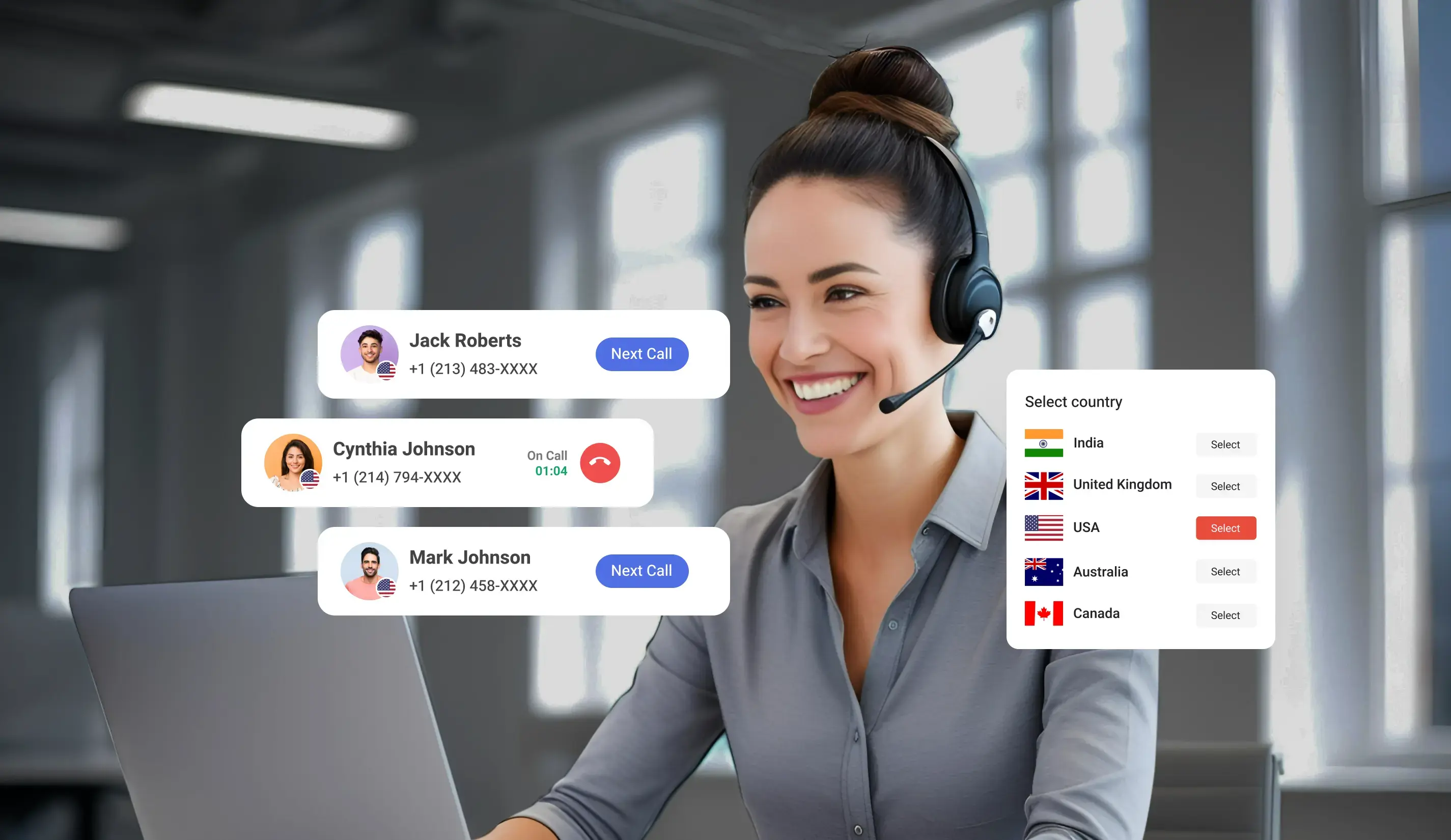
Autodialer is a cloud-based outbound calling system that automatically dials phone numbers from your uploaded contact list, eliminating the need for agents to dial manually.
How TeleCMI Auto dialer Works
1. Upload Contacts - You upload a lead list (Excel/CSV).
2. Configure Campaign - Set dialing mode, call timing, retry rules, etc.
3. System Dials Automatically - The auto dialer starts calling numbers one by one or in parallel (depending on the mode).
4. Call Handling:
- If answered by a human → Connected to an available agent.
- If voicemail/IVR → Can drop pre-recorded message or mark for retry.
- If unanswered → Moves to next number or retries later.
5. Real-time Monitoring - Managers can see live dashboards, agent performance, and campaign stats.
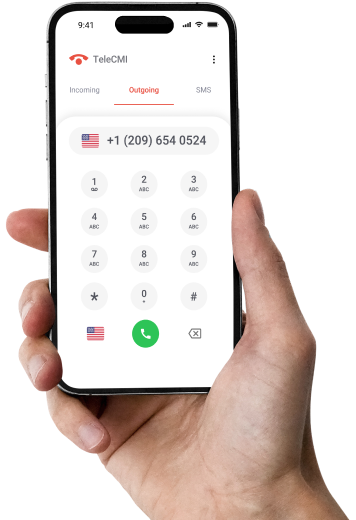
Manual dialing wastes valuable selling time
See how TeleCMI's intelligent auto dialer automates outbound calls, reduces idle time, and keeps your agents focused on customer conversations.
How Auto Dialers Increase Talk Time: The Core Mechanics
Automated dialers do not magically make agents talk faster; instead, they completely strip out the systemic friction that occurs between phone calls. Here is a breakdown of the functional mechanics that enable automated systems to maximize your talk-time metrics.
1. Eliminating Manual Keying and Typos
Automation takes manual dialing completely off your plate. By pulling contact lists straight from your CRM, you eliminate fat-finger errors and cut out all the idle downtime between calls. The system handles the heavy lifting in the background. This leaves your reps free to focus on talking to buyers.
2. Automatically Dropping Dead Lines and Voicemails
A major drain on an outbound team's energy is handling unanswered calls. Modern dialers use advanced answering machine detection (AMD) to spot busy signals, disconnected numbers, and automated recordings in milliseconds. The system drops those dead ends automatically and moves on to the next number without ever buzzing an agent. Your team only hears a sound in their headset when a real human being says "hello."
3. Pacing Outreach to Live Agent Availability
An auto-dialer tracks the activity of the agent second by second. It sees which agent is actively speaking, who is finishing post-call work, and who is free. By adjusting its pace automatically, it makes sure that the second an agent finishes one call, the next live connection is handed right over.

This optimization of agent workflow is backed up by long-term industry analysis
Productivity data compiled by HubSpot consistently shows that cutting idle time between tasks is one of the most reliable ways to scale up total customer connects per day. Automated dialing logic is designed precisely to compress those expensive operational gaps.
4. Cutting Down Post-Call Paperwork
Connecting your dialer to your CRM or helpdesk wrings out most of the post-call busywork. The system automatically logs call lengths, recordings, and basic details in the background. The agents don’t have to type out lengthy notes after every call anymore. They just have to select a quick disposition tag from a drop-down menu and move on to the next lead in seconds.
Choosing Your Strategy: Progressive vs. Predictive Dialing
Not all call centers operate the same way, which is why an auto-dialer for call center workflows needs to support different dialing modes based on your business model. The two most prominent automated strategies are Progressive Dialing and Predictive Dialing. Comprehending the core technical difference between them is vital for protecting your customer experience.
Progressive Dialers: Context-First Customer Support
A progressive dialer dials the agent first, gives them time to review the file, and then initiates the call to the customer. It follows a deliberate, highly secure process. Because the agent is already on the line while the customer’s phone is ringing, there is absolutely zero risk of a "dropped call" or an awkward, silent pause when the customer answers. This mode is best suited for customer support departments, premium account management, or lower-volume workflows where the representative needs to fully review past ticket data before talking. It delivers a structured approach that respects both the agent's preparation time and the customer's experience.
Predictive Dialers: High-Volume Outbound Campaigns
A predictive dialer dials multiple customers first based on the advanced queuing system and connects a live agent only after a customer picks up the phone. It uses a far more aggressive, data-centric approach: it
The system uses mathematical algorithms to calculate a customer-to-agent dialing ratio (such as dialing two or three lines simultaneously for every single idle agent). It predicts exactly when an active representative is likely to finish their current call based on historical average handle times. This configuration is built for aggressive, high-volume outbound campaigns in which maximizing absolute talk-time across a massive list of leads is the primary goal.
Real-World Call Center Use Cases
To see the true value of an automated system, look at how these workflows function across different operational scenarios.
- Outbound Sales and Lead Follow-Up: Instead of letting web leads sit cold on a spreadsheet, the dialer automatically streams newly submitted inbound leads directly to sales representatives. This slashes your speed-to-lead times and allows sales reps to connect with prospects while interest is still high.
- Collections and Debt Recovery: Collection departments manage massive lists of account contacts. A predictive dialing configuration allows these teams to filter out thousands of disconnected lines automatically and busy signals, keeping collectors focused strictly on active, live resolutions while continuing strict compliance pacing.
- Customer Win-Back Campaigns: When an e-commerce or retail brand wants to re-engage dormant customers, manual outreach is rarely cost-effective. An automated dialer enables a compact team of agents to cycle through thousands of historical accounts quickly and efficiently present tailored promotions.
- Appointment Verification and Reminders: Industries like healthcare use automated campaigns to confirm schedules or upcoming installations. The dialer moves fast through the patient or client lists, transferring the call to a live scheduler only if the customer needs to modify their time block.
- Market Surveys and Feedback Gathering: Gathering consumer insights requires reaching large, diverse pools of respondents. Running these campaigns through a predictive dialer keeps your data collection costs low by making sure your agents talk continuously, helping you reach your required statistical sample size in days rather than weeks.
What to Look for When Choosing Auto Dialer Software
Selecting an enterprise platform requires evaluating practical operational functions. When shopping for an auto dialer software for call center use, make sure you fulfill these core requirements:
- Flexible Dialing Logic: Make sure the system supports both predictive and progressive dialing. That way, you can easily switch up your approach depending on whether you are running a fast-paced sales drive or a personalized customer care campaign.
- Deep CRM Integration: Look for a tool that integrates directly with your current workspace. It should automatically update your customer files, log recordings instantly. And let your team launch calls with a single click without jumping between browser tabs.
- Live Supervisor Monitoring: Your operations managers need an easy way to see what is happening on the floor in real time. Make sure the software lets managers hop onto live calls to help, whisper private advice into an agent's headset mid-call, or track team performance from a single live dashboard.
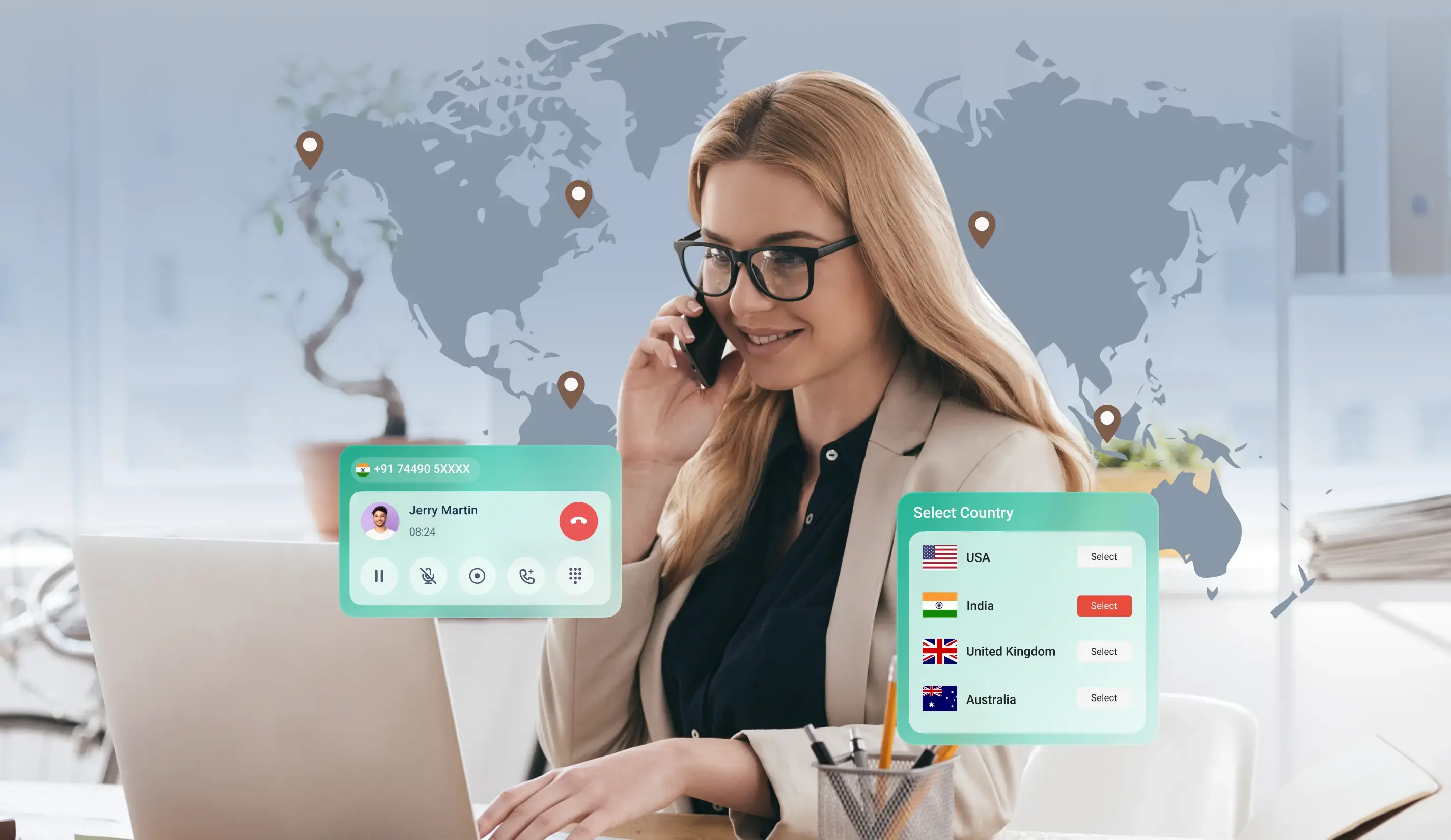
- Frictionless Scalability: Your software needs to bend and flex with your business. It is best to choose a cloud setup where you can bring on seasonal staff, launch brand-new outbound campaigns, or set up local phone numbers in minutes without messing around with hardware.
- Built-In Quality Assurance: You cannot improve your team's skills without data to back them up. Check that the platform provides strong call-recording features and ample cloud storage so you can easily review calls for training or compliance checks later.
This feature set is consistent with the design philosophy of TeleCMI’s Outbound Contact Center Solutions. TeleCMI provides an enterprise-grade dialing engine built explicitly to give operations leaders complete control over their procedures, combining smart pacing algorithms with crystal-clear voice quality.
How to Measure Success After Moving to an Automated System
Once your new system is live, you will want to track a few key metrics. This is to make sure it's actually paying off. Keep an eye on these main numbers:
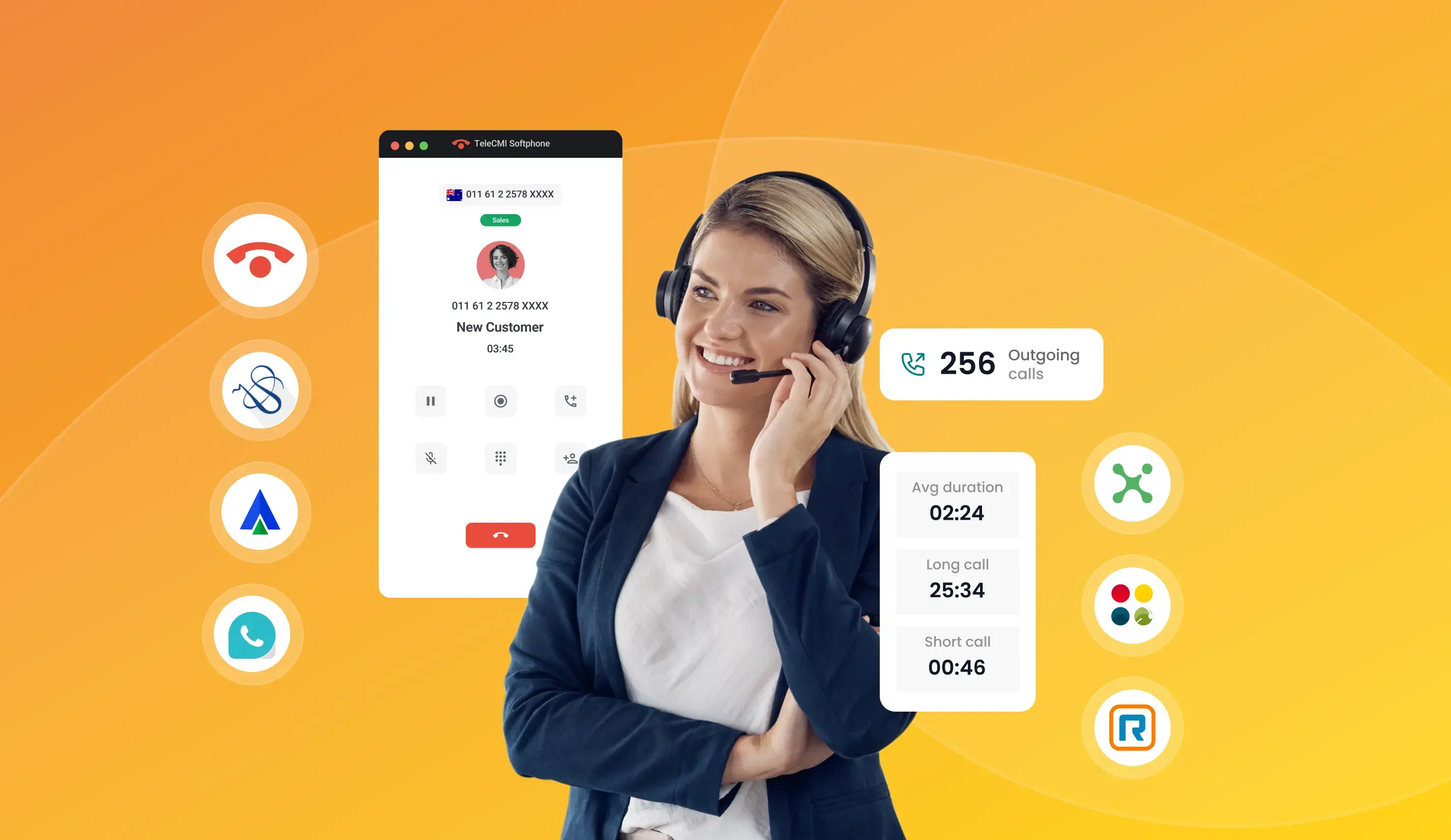
- Talk Time vs. Idle Gaps: This is the ultimate test of how efficient your floor really is. In a traditional manual setup, agents often spend a measly 15 to 20 minutes of every hour actually talking to people. An automated system can easily push that up to 45 or 50 minutes per hour, completely wiping out the money wasted on quiet, empty airtime.
- Calls Per Agent, Every Hour: Keep a close eye on the total volume of calls a single person handles across a standard shift. The moment you strip away manual number digging and boring post-call typing, the number of outbound attempts and completed conversations per agent usually doubles or triples within the very first week.
- Connection and Answer Rates: When you combine automated pacing with smart outbound caller ID tracking and localized numbers, your pickup rates will naturally jump. You can watch these trends develop inside the live analytics dashboards built right into TeleCMI’s Cloud Communication Platform. The system automatically categorizes answer patterns, busy spikes, and exact hang-up reasons so you can keep refining your data lists.
Agent Burnout and Satisfaction
Listen to feedback from your team. Manual dialing is repetitive and draining. Agents get frustrated spending hours listening to busy signals or typing out identical voicemail notes. Automating those low-value tasks improves daily morale on the floor, allowing your team to focus on the human element of customer service.
Summary
Your agent’s time is valuable. They shouldn't spend half their shift punching in numbers and filling out call logs.
Implement an intelligent call center auto-dialer to eliminate dead time, automate tedious post-call documentation, and keep your staff focused entirely on live conversations. It is the most direct, cost-effective way to scale up your daily call capacity, lift your overall conversion rates, and build a highly productive support or sales floor without adding a single dollar to your headcount.
Transform Your Call Center with Intelligent Auto Dialing

Increase Agent Talk Time
Reduce Idle Time
Improve Connect Rates
Scale Outbound Campaigns
Frequently asked questions (FAQ)
Saravana Kumar

I’m passionate about exploring and sharing insights on modern cloud communication technologies. At TeleCMI, I focus on helping readers understand the evolving world of cloud telephony and IVR solutions in a simple yet in-depth way. My goal is to deliver genuine value by turning complex telecom concepts into clear, actionable knowledge that builds trust and drives innovation.