Call Management Software: What You Need to Know Before You Buy

7 mins read

Posted on Jun 10, 2025

Vignesh N
SEO


Vignesh N
SEO




Missed Calls = Miss Opportunities.
Despite the rise of digital communication, phone calls remain the dominant mode of communication in the business landscape. The report states that nearly 80% of business communication occurs over voice.
Yet, if there is no effective system in place, every missed call, incorrect routing, or long wait time causes customers to get frustrated; at the same time, agents feel overworked, and the brand’s reputation suffers.
By having an advanced call management system, agents can rely on smart routing, AI-based analytics and automated tasks, so they can concentrate on giving personalized service and making accurate choices.
This blog provides a detailed perspective on call management, its benefits, and a guide to selecting the ideal solution, as well as how the right system can enhance your overall operation and performance.
What is a Call Management Solution?
A Call Management Solution is a complete system for handling both incoming and outgoing calls in an organization by using AI, automation, advanced analysis, and practical approaches. They are important for improving how businesses communicate, serve customers, and overall productivity.
Inbound Call Management
Inbound call management is all about efficiently handling incoming customer calls in an organized and effective way through inbound call center software . Since the support team deals with a lot of these incoming calls, it is important to manage them efficiently. A top-notch call management system makes sure that every call gets routed to the right agent, the issue is addressed quickly, and everything is resolved with minimal hassle. This not only speeds up response times but also leads to happier customers in the end.
Key Features of Inbound Call Management:
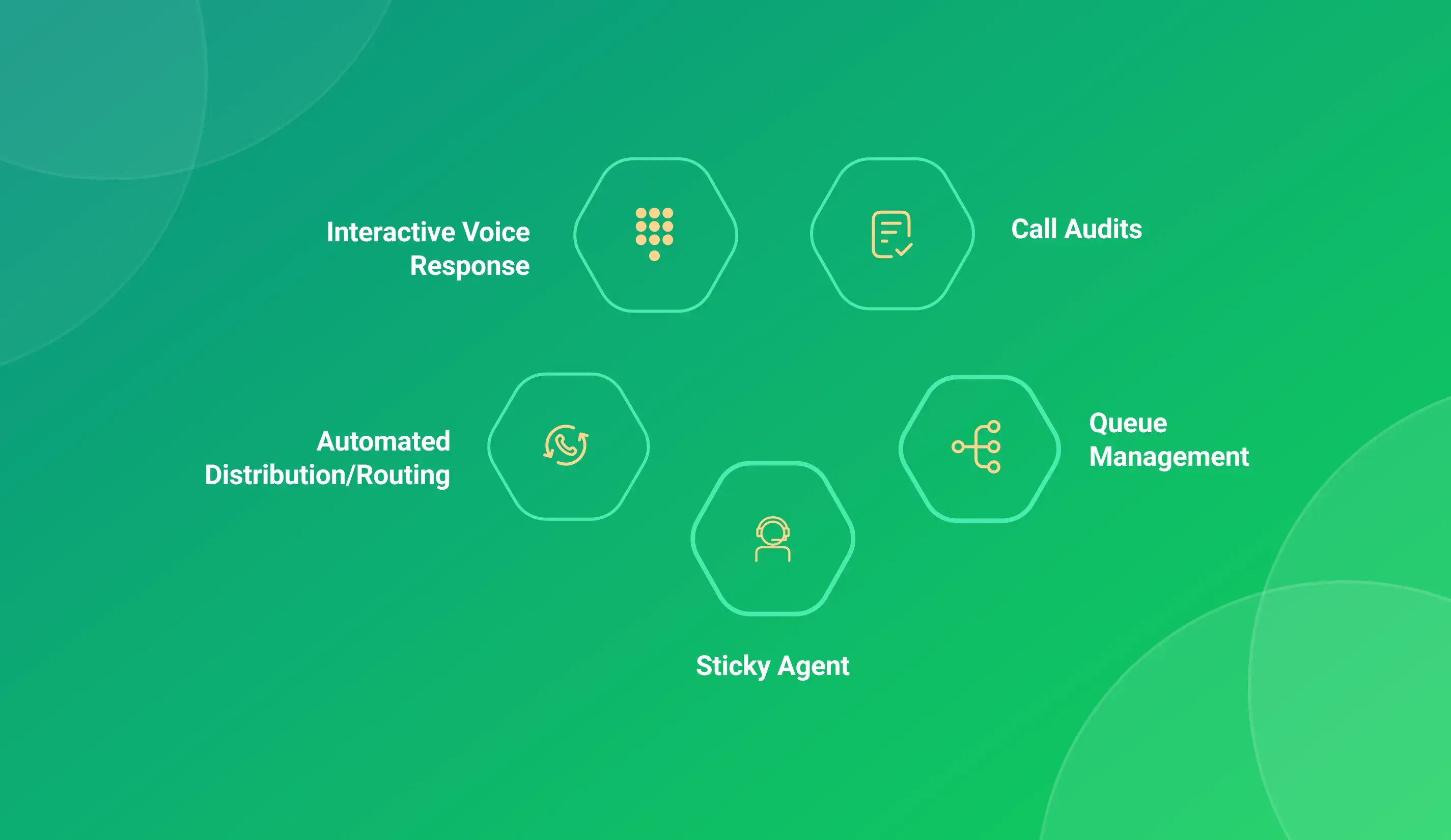
- Interactive Voice Response (IVR): Enables customers to make self-service selections by implementing keypad or menu inputs and routing them to the respective agent.
- Businesses using Salesforce Can streamline incoming call management through Salesforce IVR Integration, connecting interactive voice response with customer records and helping route callers to the right agents more efficiently.
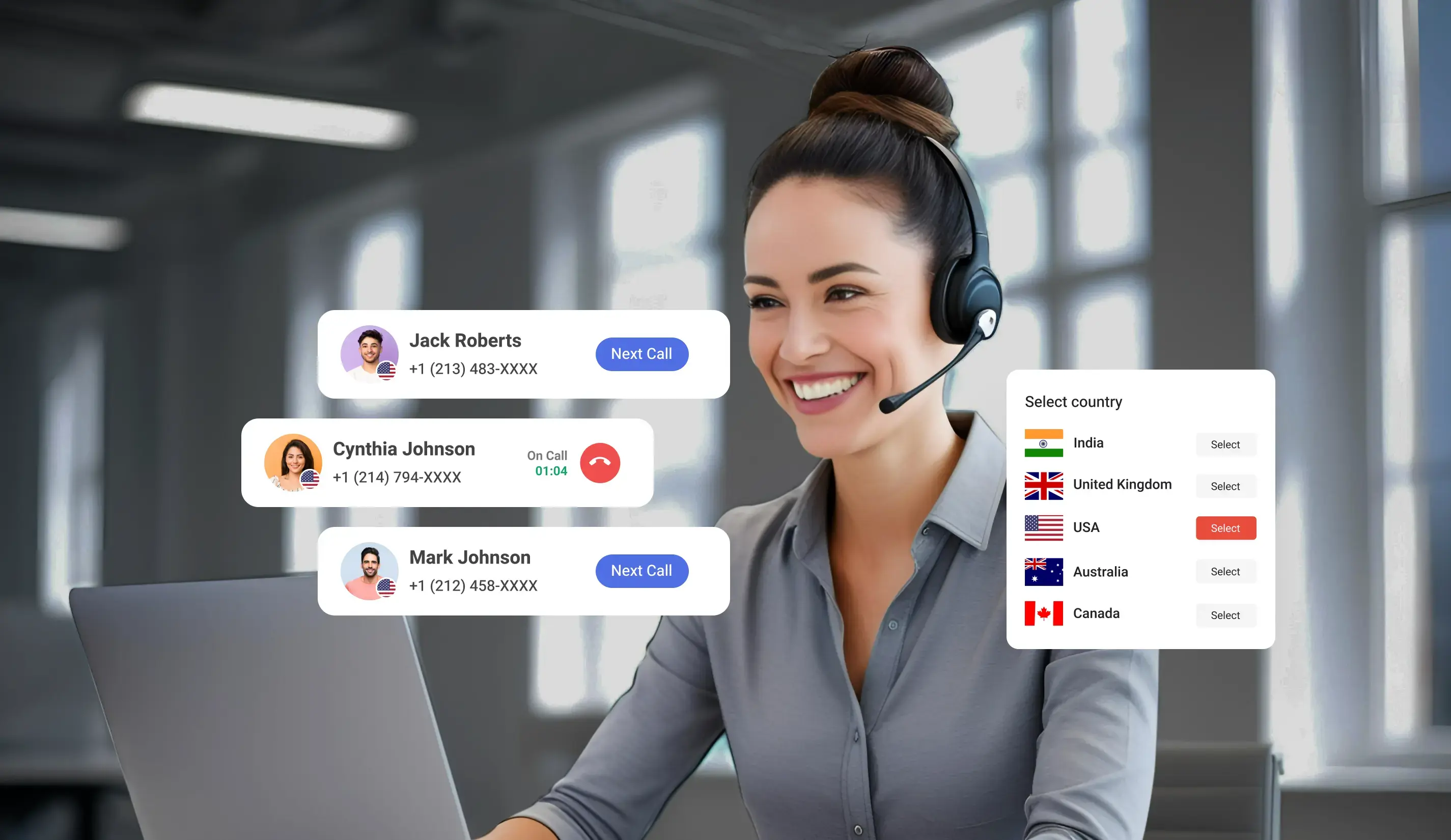
- Automated Distribution/Routing: The system automatically routes incoming calls to the right agent based on availability, shift timings, call urgency, and skill set.
- Sticky Agent: Based on the customer's past interaction, the system automatically routes to that agent, enhancing first-call resolution and boosting satisfaction.
- Queue Management: Reduce waiting time and frustration by providing personalized messages and efficiently allocating resources.
- Call Audits: Advanced call insights, call recordings, audit logs, and analytics allow you to identify areas of improvement, guide agents, and boost productivity.
Outbound Call Management
Outbound call management refers to the process of connecting, maintaining and optimizing outgoing calls made by an organization. By leveraging advanced techniques such as AI integrated outbound call center software , auto-dialers, CRM systems, and customized analytics, you can streamline operations, allocate resources efficiently, and equip agents with the essential information they need. This also plays a vital role in protecting organizations, particularly nonprofits, from fraudulent or deceptive callers posing as fake charities, which can mislead supporters and damage trust. Being proactive with fraud prevention strategies, like those detailed in this nonprofit fraud prevention guide, helps safeguard both organizational reputation and donor confidence.
Features of Outbound Call Management
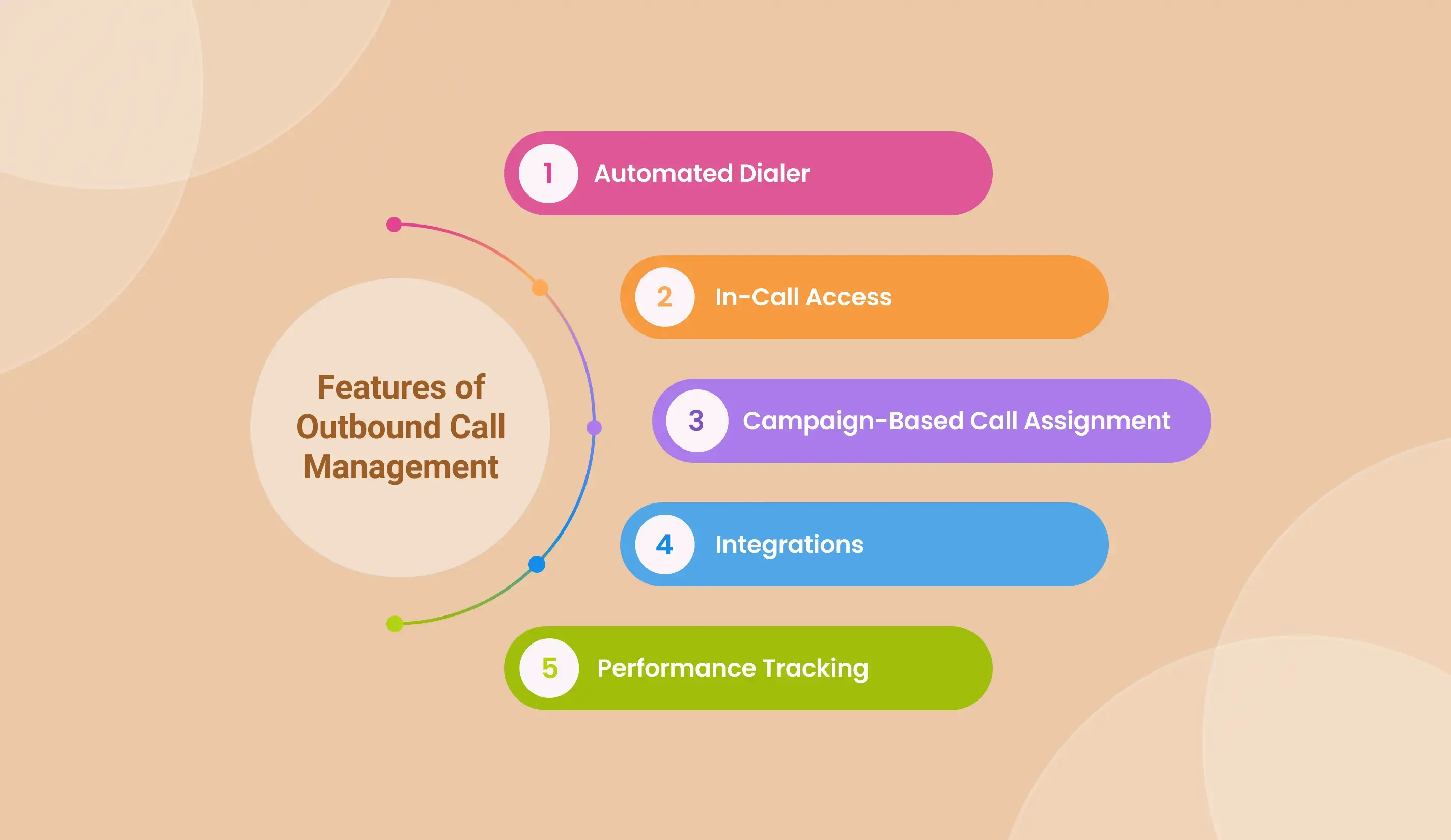
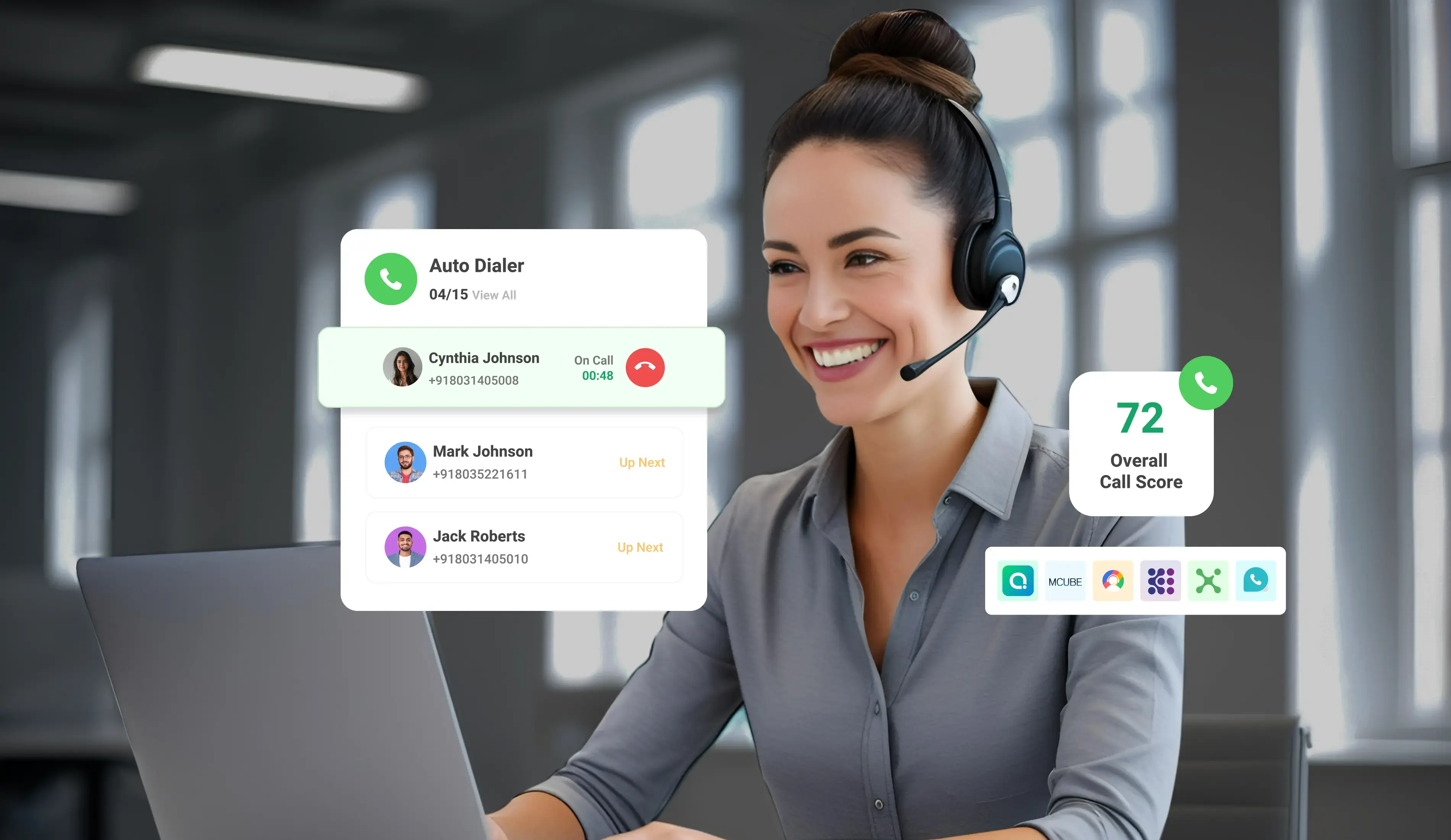
- Automated Dialer: Automatically dial from a list of contacts while ensuring agents have time to review customer information before the call connects.
- In-Call Access: It simplifies the process and boosts efficiency by enabling agents to access all the necessary information, lead lists, and scripts during their calls.
- Campaign-Based Call Assignment: Categorize the audience and assign agents based on campaign objectives, provide auto-dialers, tailored scripts and personalization approaches to help drive quick conversions.
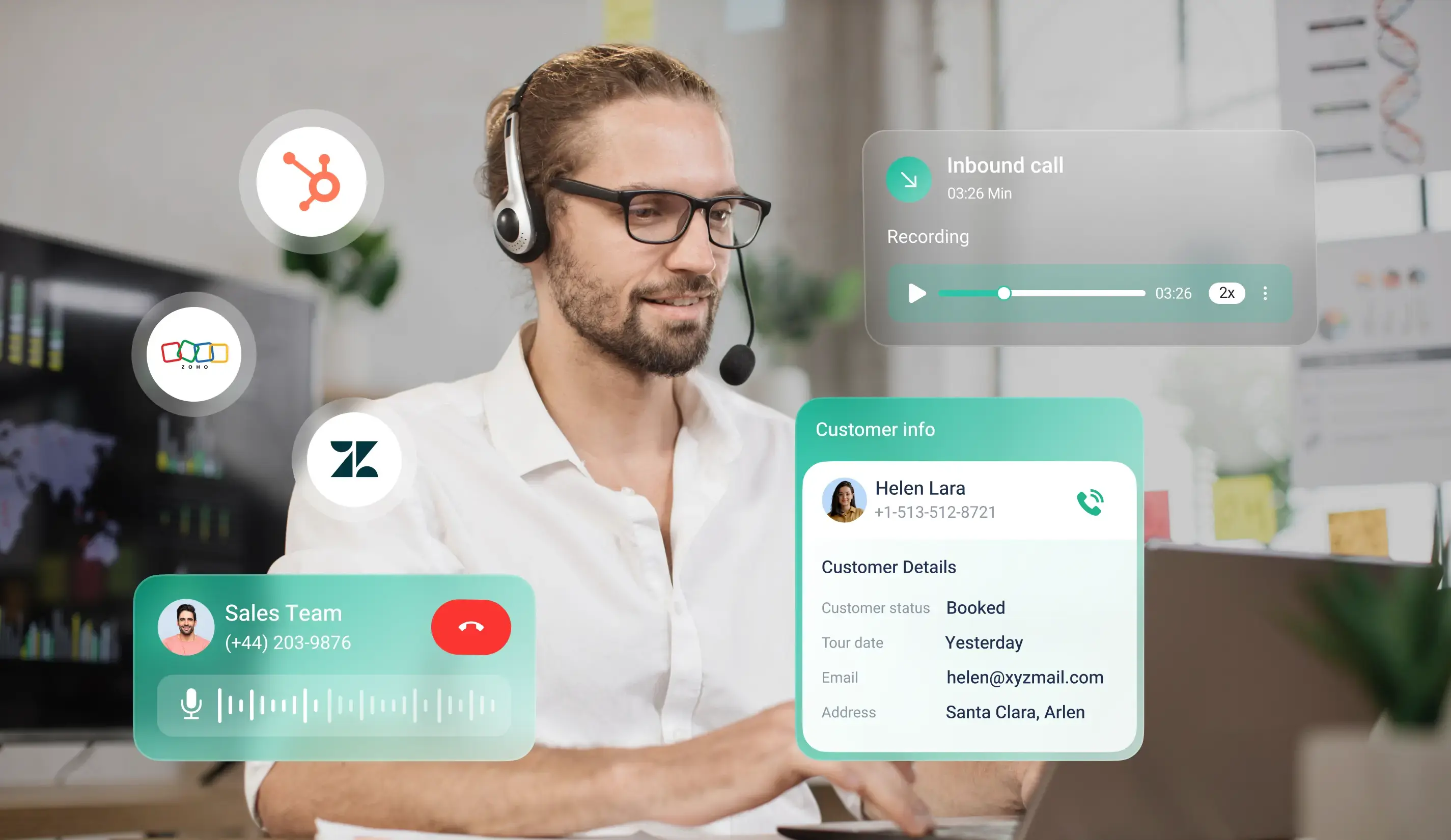
- Integrations: Seamlessly connect with third-party applications like CRM, ERP, help desk and marketing tools to enhance operations, simplify processes and deliver personalized resolutions.
- Performance Tracking: Analyze agent performance and productivity by tracking important Key Performance Indicators (KPIs) and using advanced AI analytics
Benefits of Call Management Software
1. Improved Customer Experience With built-in AI, advanced techniques, and personalization, you can enhance customer satisfaction by reducing wait times, automating workflows, and providing tailored resolutions.
2. Increased ProductivityBoost your agent's productivity by automating repetitive tasks, allowing them to focus on more meaningful conversations with smart dialing, tailored training, and seamless integrations.
3. Omnichannel Support Provide agents with a clear picture of each conversation and maintain consistency by unifying all customer interactions across SMS, WhatsApp, Email, Voice, and Social Media channels in a single platform.
4. Decreased Call Abandonment Effective queue management allows you to provide estimated wait times, perfect call-back options and analyze customer emotions. It reduces the number of call abandonment, provides transparency, and values customer needs.
5. Data-Driven Decision Making Managers can make informed decisions with live dashboards, agent KPIs, real-time analytics, and customer insights to boost efficiency and satisfaction.
Does your business need a call management system?
Ask yourself:
- Are my agents overwhelmed with high call volumes?
- Are customers frequently put on hold or routed to the wrong department?
- Are the teams working remotely or across locations?
- Is the agent manually dialling numbers or tracking call data in spreadsheets?
- Do I lack visibility into call performance and agent productivity?
If the answer is yes to any of the questions, it's time to invest in the right call management software.
How to Choose the Right Call Management Solution
With diverse options available in the marketplace, choosing the right system makes a difference.
1. Identify Your Needs: The first and foremost step in selecting a software solution is to identify your business communication needs, taking into account factors such as team size, resources, industry, and other relevant criteria.
2. Look for Features: Based on your needs, list the pain points and the features that resolve them. Select a vendor that offers future-centric features, such as integrated AI, advanced analytics, and customization options.
3. Fix the budget: Compare and evaluate the features, benefits, specs, and pricing. Select the option that aligns with your software investment budget.
4. Security & Compliance: Look for a system that offers enterprise-grade security and supports your local regulations, as well as encrypted servers.
5. Scalability: The system should scale with your business as you expand your reach globally.
Implementing call management software in your business
Standardize your business communication with platforms like TeleCMI’s business phone system. By incorporating AI, automation, and advanced analytics, you can conduct more meaningful conversations, gain deeper insights, and significantly boost productivity. Implementing TeleCMI’s business phone system into your operations is simple and efficient.
1. Register or log in to the TeleCMI platform.
2. Port an existing number or purchase a virtual/toll-free number.
3. Set up call flows, invite agents, assign roles, and define permissions.
4. Test your system before going live, and ensure routing and analytics are working as intended.
Conclusion
A well-designed call management solution is a powerful strategic enabler by providing key insights, simplifying business operations, and enhancing overall interaction. With integrated AI technologies, customizable workflows, and real-time analytics, TeleCMI enable your teams to operate more efficiently, even in distributed teams and high-demand environments.
See What AI-Driven Call Management Looks Like in Real Time

Real-time Sentiment & Speech Analysis
Customizable KPI Tracking Dashboards
Secure & Scalable Call Management
Frequently asked questions (FAQ)
Vignesh N

With deep expertise in cloud telecommunications, I help readers explore the latest trends in VoIP and modern business communication. At TeleCMI, I focus on educating businesses with clear, practical insights, making complex telecom concepts easy to understand. I’m passionate about helping organizations improve efficiency, enhance customer engagement, and adopt smarter communication strategies.


 for your Call Center and Enhance Efficiency_.webp)