Cloud Telephony for Field Teams: Turning Remote Communication into a Measurable System

8 mins read

Posted on Mar 11, 2026

Saravana Kumar
SEO


Saravana Kumar
SEO






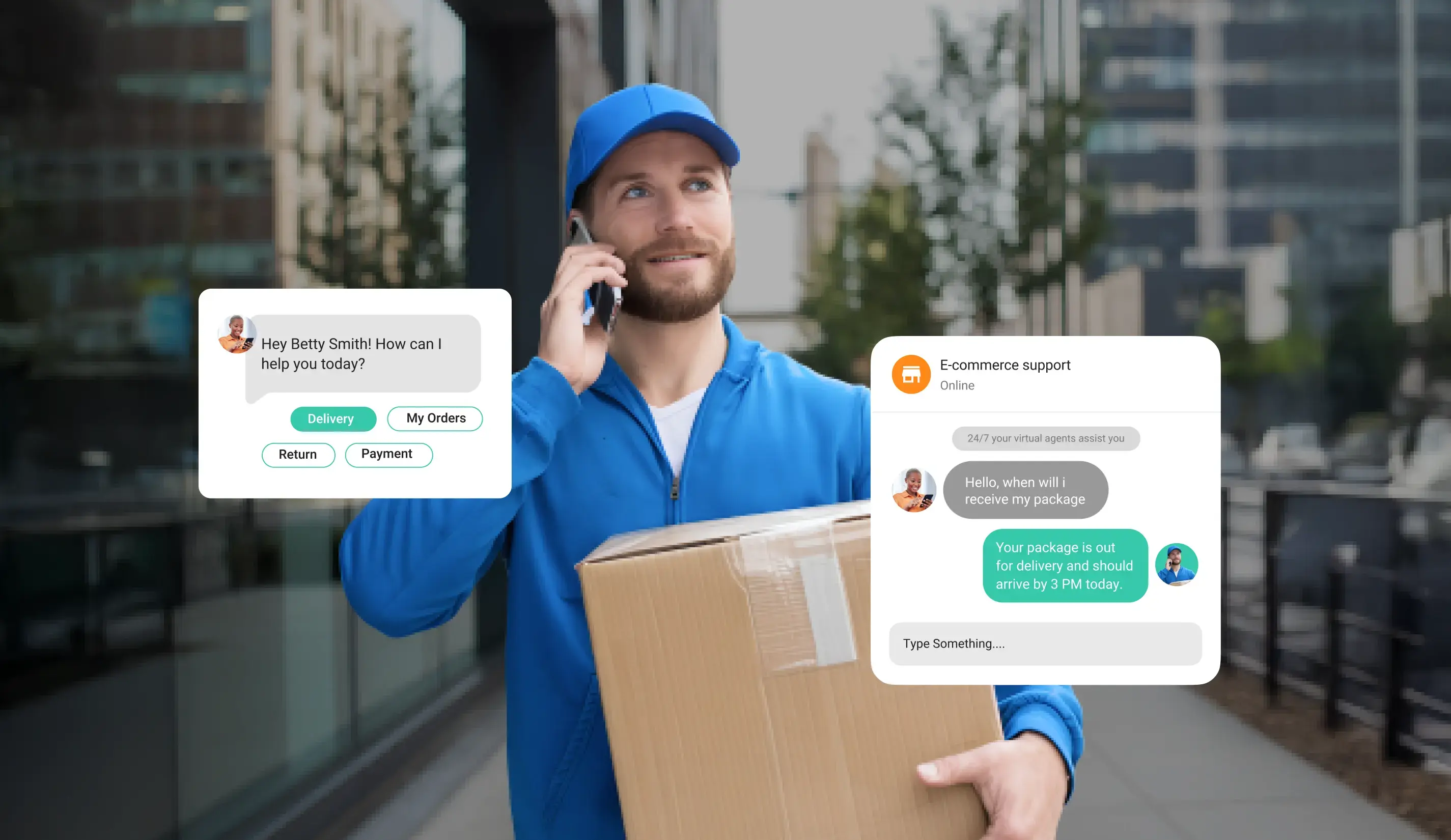
Field teams such as sales representatives, service engineers, delivery agents, and medical officers rely heavily on phone communication while working outside the office. However, when these calls happen through personal SIM cards or scattered tools, organizations lose visibility into customer interactions.
Cloud telephony for field teams solves this problem by centralizing business calls, tracking communication activity, and enabling intelligent call routing for distributed staff.

Key Takeaways
 Field force teams operate outside traditional office systems and without structured tools, making communication easily scattered and difficult to manage.
- The SIM-based calls from individuals do not offer visibility, tracking, and accountability.
- Relying on personal SIM cards for remote staff communication limits tracking, accountability, and customer continuity.
- Cloud telephony for field teams centralizes remote staff communication and preserves customer context.
- Strong field staff connectivity reduces missed calls, improves response time, and protects customer experience during travel or peak hours.
- A structured business communication setup helps in making remote workforce communication a measurable and scalable entity.
- Cloud telephony for field force teams helps make remote workforce communication more structured and data-driven as operations grow.
The Real Communication Problems Field Teams Face

Field operations often appear active on the surface, yet communication gaps quietly weaken performance. These gaps follow a pattern.
- Fragmented Information: Without a centralized platform, updates come from multiple channels, including email, text messages, phone calls, or even paper notes. This creates a disjointed information system that is difficult to monitor, resulting in errors or missed tasks.
- Delayed Responses: Messages may be lost due to fragmented information. A critical update might arrive hours later, slowing decision-making and reducing responsiveness to on-site issues.
- Inconsistent Messages: The team does not receive some of the information conveyed through different mediums of communication, which leads to delays in responding to the situations in the field.
- Lack of Visibility: Managers are not able to keep track of the ongoing field operations in real time. This makes it difficult for them to know who is where, what has been done, and what is pending. While a field employee tracking app can provide location-level visibility, communication gaps still remain without a centralized calling system.
- Inefficient Collaboration: It is hard to share reports, photos, and forms through various tools, which leads to inconsistencies, confusion, and cumbersome processes.
- Poor Knowledge Retention: Updates and learnings from field activities often get lost because they are scattered across emails, chats, and spreadsheets. This prevents teams from building institutional knowledge or improving processes over time.
- Increased Operational Risk: Miscommunication can cause operational risks such as safety issues, legal issues, or missed deadlines. In regulated industries, fragmented communication may even result in legal or financial consequences.
Why Traditional Calling Tools Fail Remote Teams
Using Personal SIM Cards, Basic Mobile Phones, and Standard Calling Apps may be easy to implement, but as the field team grows in number, the limitations of such calling tools become apparent because they do not offer the necessary features to facilitate the communication of the remote teams Businesses can overcome these challenges with a SIM-based call tracking software solution that automatically captures business calls, centralizes call activity, and provides managers with complete visibility into field communication without disrupting employees' existing mobile workflows:
- Centralized dashboards for tracking calls and follow-ups
- Automated call routing to available staff
- Analytics for productivity measurement
- Structured follow-up and escalation processes
Field operations expand faster than these informal systems can handle, creating gaps that affect customer satisfaction, team efficiency, and overall business performance.
How TeleCMI’s Cloud Telephony Solved Field-Force Challenges
TeleCMI addressed these operational gaps by introducing a structured cloud telephony service that connects field agents and management through a single communication layer.
Centralized Call Logging for Full Visibility
Problem
Calls handled by remote agents were not tracked in a single system. Managers had no reliable way to monitor communication activity or confirm whether customer calls received proper follow-up.
Solution
All incoming and outgoing calls are processed and channeled through a cloud telephony dashboard. Every call is logged and stored in the system.
Impact
- Managers are able to monitor activities in real-time.
- Follow-up activities are monitored and tracked.
- The teams are more accountable and transparent in their operations.
Struggling to track calls from remote teams?
See how TeleCMI helps businesses manage field staff communication with centralized call tracking and intelligent routing
Intelligent Call Routing During Travel
Problem
Field agents often move between appointments, and if a customer tries to call during such a period, the call might be terminated or might not be answered.
Solution
This solution allows for intelligent call routing, and if the agent is unable to receive the call, it is redirected to another agent or a queue.
Impact
- Business calls are not terminated.
- The customer is able to contact the company.
- The sales and service teams are able to handle calls effectively
Shared Customer Interaction History
Problem
Customer conversations were not shared with individual agents. When the next call was handled by another agent, the customer was forced to repeat the problem from the beginning.
Solution
The platform records each interaction within a shared customer history. Any agent who receives the next call can review the previous conversation details.
Impact
The agents can respond with the complete context.
Problems can be resolved more quickly.
Customers can have a better experience.
Callback and Virtual Hold for Field Scenarios
Problem
If agents were busy at customer sites, callers would attempt to contact them repeatedly. This resulted in undue pressure on call volume.
Solution
The system allows you to request a callback or be added to a virtual hold list. The return call would be made when the agent becomes available.
Impact
- Call traffic becomes easier to manage.
- Customers avoid repeated dialing or long wait times.
- Field agents can respond once they are available.
Performance Analytics for Remote Teams
Problem
There was limited information available to managers regarding how effectively field teams were handling customer calls.
Solution
In-depth analytics are provided, and all key communications metrics are included, such as call volume, successful calls, resolution, and repeat calls.
Impact
- Managers now have data on how well teams are doing.
- Gaps in operations are easier to identify.
- Decisions are made in the field based on real communications data.
How Different Industries Use Cloud Telephony for Field Teams
Logistics
- Drivers stay connected with dispatch teams while moving between delivery locations.
- Route updates, delivery confirmations, and customer instructions can be communicated without relying on personal phone numbers.
- Managers retain visibility into delivery-related calls and coordination activity.
Healthcare
- Home care workers are able to communicate updates on patient progress to the management through calling.
- The communication between visiting workers and medical teams is documented for easy reference.
- Communication in the health care sector is improved by documenting all conversations related to patient care.
FMCG Sales
- Territory representatives log retailer and distributor conversations automatically.
- Sales managers can review client interaction history without waiting for manual reports.
- Follow-ups with retail partners become easier to track across different regions.
Utility Services
- Field engineers communicate with support teams while handling service requests on site.
- Technical issues can be escalated to specialists without interrupting the conversation.
- Service communication remains recorded, which helps track maintenance and repair discussions.
Conclusion
Field teams do not need additional mobile applications. What they need is an effective communication infrastructure that maintains organized communication activities within the organization.
Cloud telephony platforms such as TeleCMI turn everyday voice communication into a structured business system. Calls are no longer scattered across personal devices or lost during travel. Instead, each interaction becomes part of a shared communication record that managers can review and teams can rely on.
For organizations with growing field operations, this shift is important. As teams expand across locations and responsibilities increase, informal phone communication begins to limit coordination. A structured telephony environment allows companies to maintain clarity, accountability, and continuity in every customer conversation. See how businesses use TeleCMI to track calls, route customer inquiries, and maintain clear communication across distributed teams.
Manage field team communication from a single platform

Real-time call visibility
Automated call distribution
Performance analytics for teams
Frequently asked questions (FAQ)
Saravana Kumar

I’m passionate about exploring and sharing insights on modern cloud communication technologies. At TeleCMI, I focus on helping readers understand the evolving world of cloud telephony and IVR solutions in a simple yet in-depth way. My goal is to deliver genuine value by turning complex telecom concepts into clear, actionable knowledge that builds trust and drives innovation.