The Future of Cloud Telephony: What You Need to Know for 2026

9 mins read

Posted on May 28, 2025


Vignesh N
SEO


Vignesh N
SEO






Business communication isn't what it used to be.
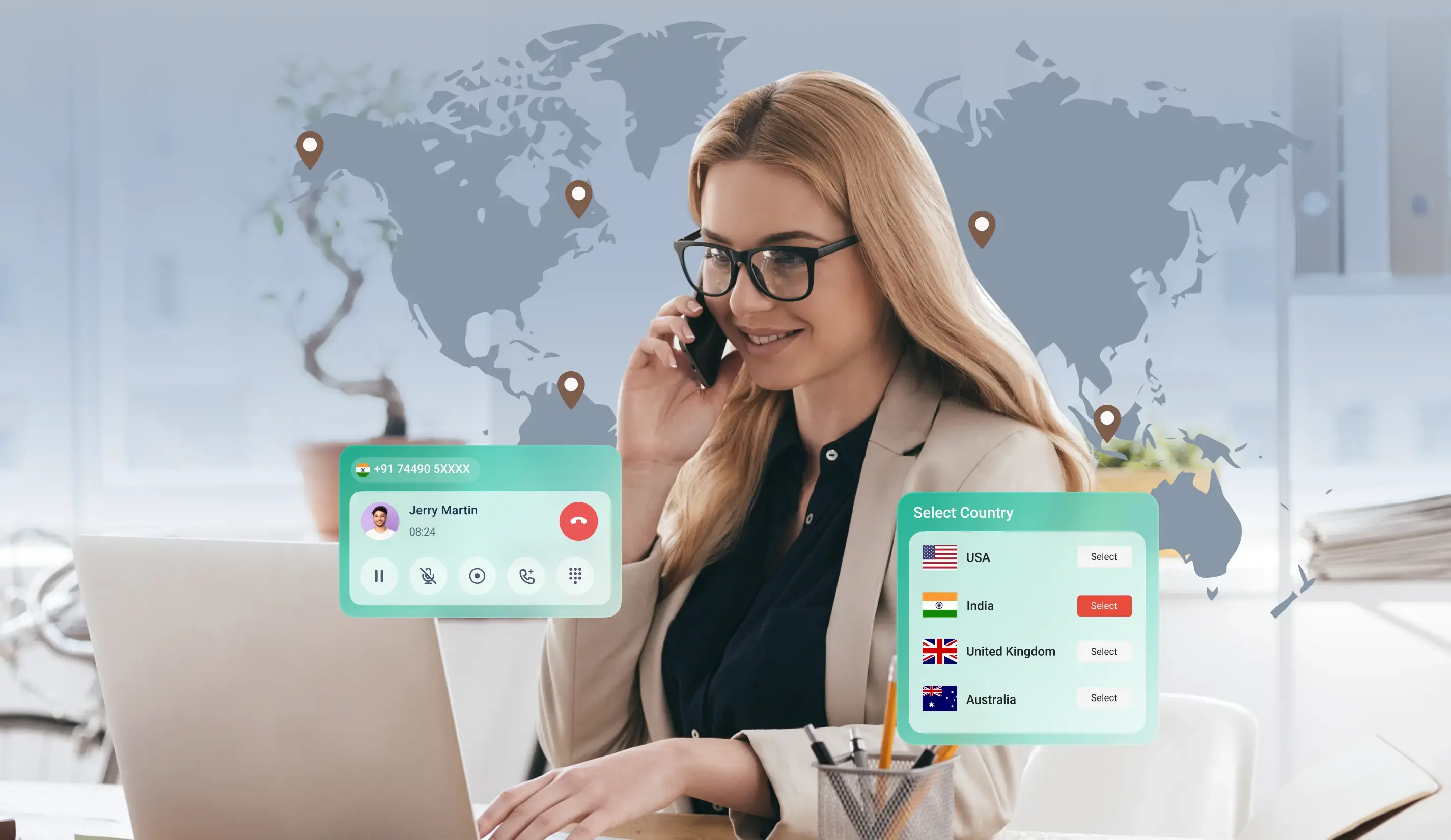
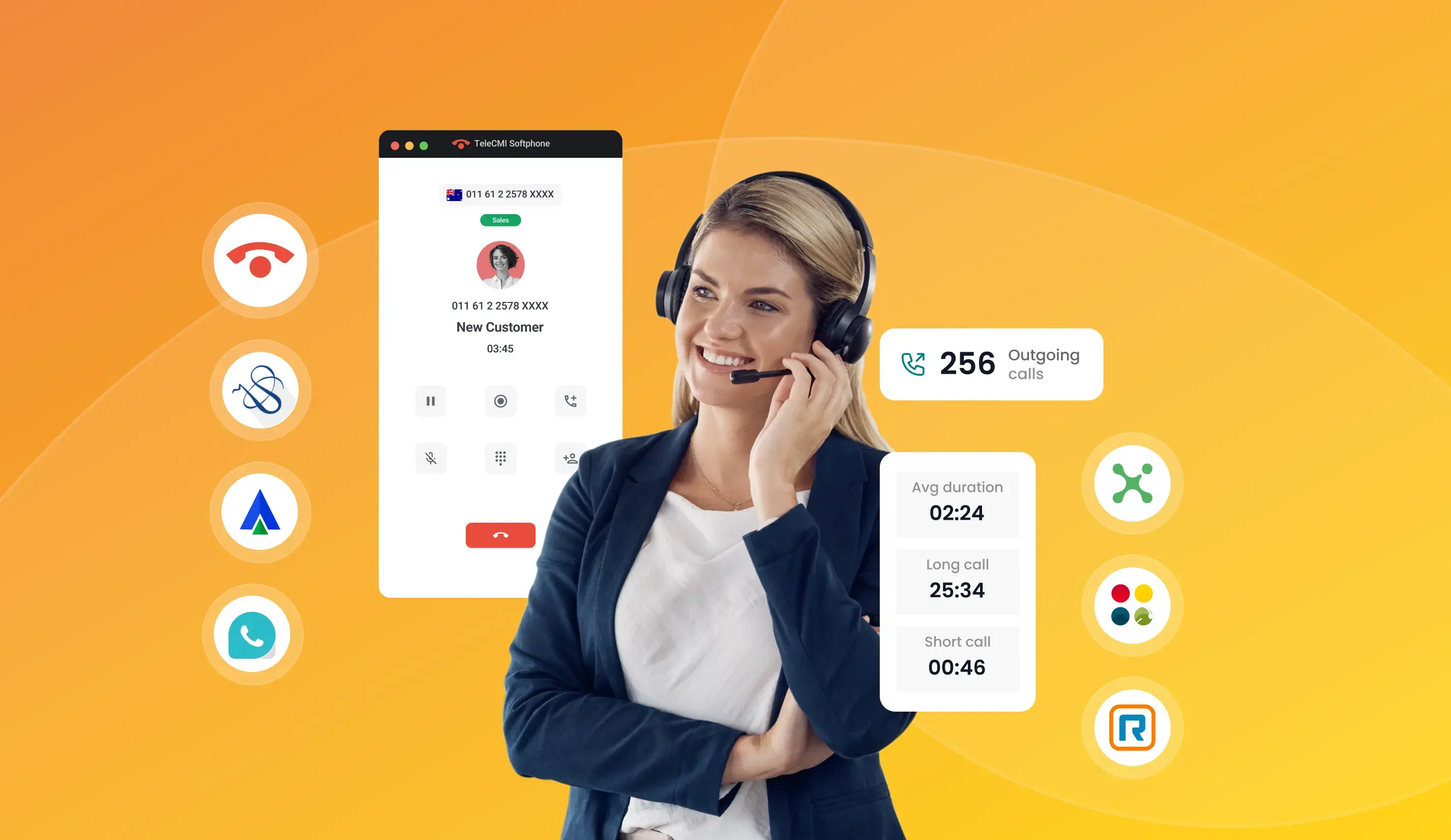
Customers now expect smart communication, fast responses, and seamless interaction. With the increasing demand of customer expectations and the global workforce, cloud telephony is transforming into a strategic powerhouse, replacing traditional systems with intelligent, agile, and data-driven platforms.
Communication is no longer making calls; it's about connecting smarter with AI, reaching wider with 5G, and understanding your customers like never before.
In this blog, we'll explore how cloud telephony is reshaping customer engagement, compliance, and global operations.
The Rise of Cloud Telephony: A Market Overview
According to recent market forecasts, the global cloud telephony market is growing from $31.88 billion in 2024 to $37.49 billion in 2026 at a CAGR of over 17.6%, with businesses in finance, healthcare, e-commerce, and tech leading adoption.
Top Trends Shaping the Cloud Telephony Market in 2026
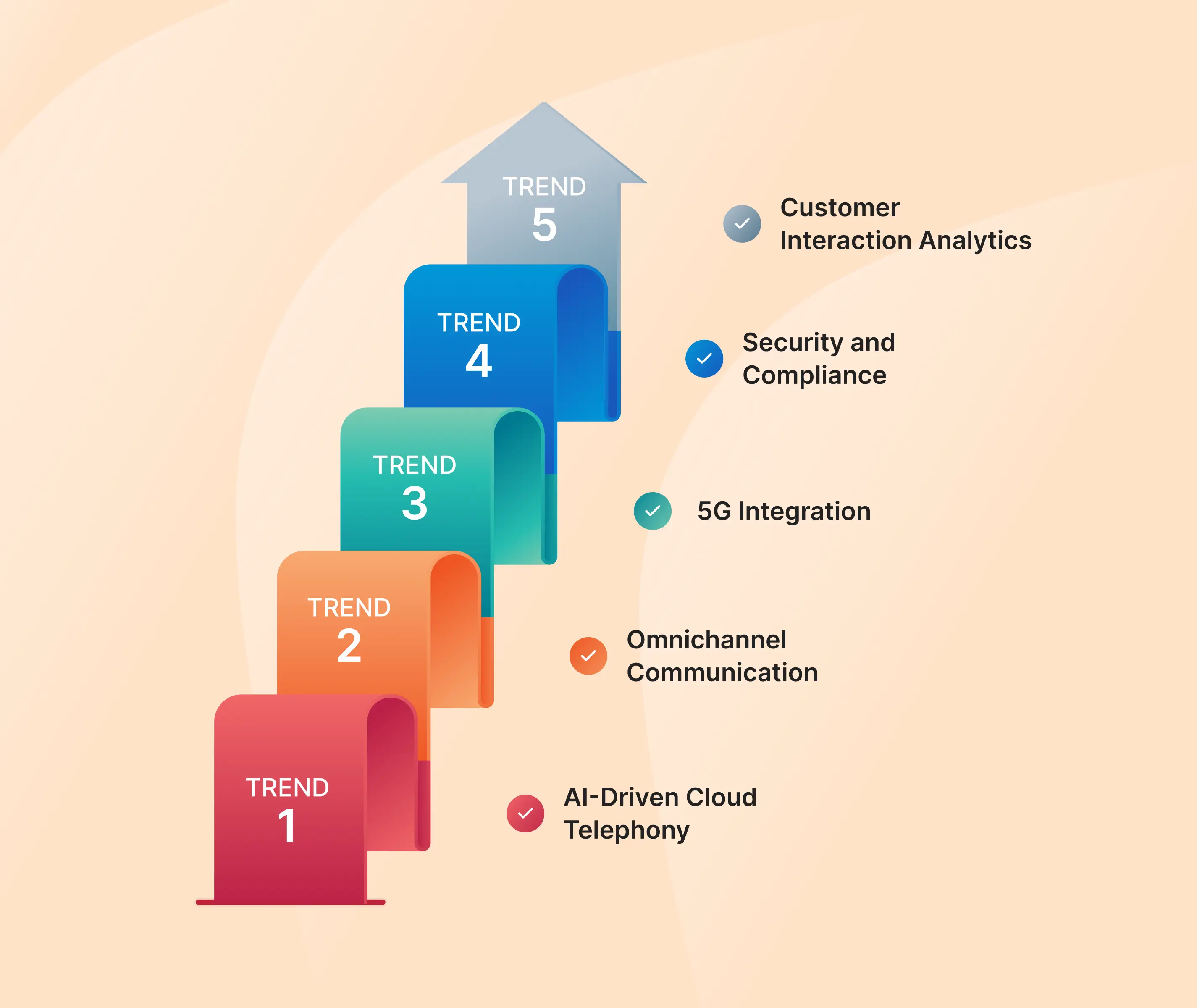
#Trend 1: AI-Driven Cloud Telephony
Artificial Intelligence as a Service (AIaaS) is rapidly becoming a cornerstone of modern cloud telephony systems. It is revolutionizing the way businesses engage with customers by providing valuable insights, adapting in real-time to customer behavior, and continuously fine-tuning agent interactions. AI-powered cloud telephony leverages advanced technologies like Natural Language Processing (NLP), Intelligent IVR, voice biometrics and in depth data analysis to automate routines, optimize workflows and focus more on complex problems.
In fact, the Harvard Business Review found that 84% of customers would prefer a straightforward solution to their problem rather than a broad array of self-service channels.
Context-Aware Responses
Sentiment analysis, consolidated information and multilingual support, the system automatically detect customer emotion, provide 360° customer journey and recommend resolution to enhance customer satisfaction and agents productivity.
Automated Assistance
AI-powered systems trim down manual work by automating repetitive tasks. While AI systems handle level-1 support such as answering FAQs or troubleshooting common problems it can also operate 24/7, resolving customer queries outside business hours and ensuring continuous support.
AI-Powered Workflow
By leveraging machine learning, natural language processing (NLP), and automatic logic, cloud telephony handles tasks without manual intervention.
- Trigger action based on user behavior
- Route calls based on conversation context
- Prioritize inquiries based on urgency or intent
- Deliver personalized responses with a 360 customer profile.
Trend #2: Omnichannel Communication
A unified communication approach isn't just a competitive advantage; it's the new standard. Businesses can build customizable communication patterns using APIs, integrations, and interfaces. Communication Platform as a Service (CPaaS) reduce fragmentation, minimize agent toggling, and centralize customer data; leading to faster resolutions and consistent brand experiences across all channels.
According to Zendesk’s Customer Experience Trends Report, 73% of customers want the ability to start a conversation on one channel and continue it on another without having to repeat themselves.
Unified Communications as a Service (UCaaS)
Cloud telephony platforms are evolving to serve as Unified Communications (UCH), integrating Voice over Internet Protocol (VoIP), WebRTC, SMS, social media APIs, email, and in-app messaging into a single interface. This approach allows businesses to deliver latency-free, consistent, and personalized communication across all customer touchpoints.
Improved Customer Retention
Integrating channels, CRM, unified inboxes, and identity resolution tools with a business phone system ensures agents have real-time access to previous interactions, preferences, and touchpoints across platforms. This unified access enables businesses to deliver personalized customer approaches and resolve issues quickly, which builds customer trust and reduces churn.
Global Localization at Scale
Omnichannel cloud telephony systems, combined with a cloud PBX phone system, power global businesses by enabling hyper-local engagement with remarkable flexibility. These systems can automatically detect language preferences, local regulations, and favored regional communication channels. They dynamically adapt content tone, time zone delivery, and user interfaces based on the customer's locale, allowing businesses to maintain a local feel while operating on a global scale.
#Trend 3: 5G Integration
With the ultra-low latency, high bandwidth and superior network reliability, 5G VoIP service is redefining how voice, video and data communications operate in real time. 5G is one of the best cloud telephony solutions for the businesses that work globally. It can support a high number of simultaneous connections per square kilometer, perfect for enterprises with distributed teams and high call volumes.
Mission-Critical Communication
While 5G is renowned for transforming communication in dense environments like factories and stadiums, its impact extends to mobile businesses such as on-site laptop repair. For laptop repair technicians, 5G enables uninterrupted communication, real-time coordination, and immediate access to information, allowing them to focus on efficient repairs. Key 5G features—like support for over a million connected devices per square kilometer and ultra-low latency of around 1 millisecond—are crucial. Through network slicing, a repair shop can prioritize urgent customer communications over background data traffic. For instance, a technician in a busy shopping mall could use a dedicated network slice to provide live repair updates to customers, while diagnostic tools sync data in the background without interruption.
Stronger Connectivity & Disaster Recovery
Companies can utilize 5G networks as a backup or parallel network for critical communication paths. It offers better uptime, smoother failover, and faster disaster recovery, which minimizes downtime during outages or peak usages. Moreover, 5G ensures consistent connectivity, even when the Wi-Fi or broadband connections go down, ensuring no dropped calls, poor call quality, or delayed notifications.
Real-Time Support & Interaction
From front-desk operators to sales reps and logistic drivers, 5G-enabled cloud telephony enhances every touchpoint. By providing crystal-clear call quality, real-time route updates, ticketing, real-time translation, emotion detection, or smart suggestions, 5G servers as a connectivity that boosts business communication and experience.
#Trend 4: Security and Compliance
With the rise of remote work, omnichannel communication, and global data exchanges, security and compliance are no longer optional. Whether you're handling customer queries, storing call recordings, or transmitting financial information, every digital interaction needs to be secure, compliant, and auditable.
Compliance
Compliance with standards like GDPR (EU), HIPAA (healthcare), PCI-DSS (payments), or ISO/IEC 27001 is no longer just a checkbox; it’s a deal-breaker. The cloud telephony platforms are going beyond infrastructure security, such as offering data residency controls, automating consent management for call recordings, and maintaining detailed audit trails and user login activities.
Data Privacy
Customers are more aware of how their data is handled by an organization. A single breach of call data can lead to loss of trust. Forward thinking cloud telephony providers are offering customer-level encryption for sensitive information, tools for secure sharing, and granular permission controls.
Automated Regulations
Instead of retroactively fixing compliance gaps and implementing regulations, systems use AI to prevent violations before they happen. Real-time redaction of sensitive info, auto-flagging risky conversations, policy enforcement bots that guide agents during live calls, automated updates when new rules take effect, and integrations with compliance tools.
#Trend 5: Customer Interaction Analytics
Every customer interaction holds valuable insights, which help businesses uncover trends, detect pain points, and make smarter decisions. Whether through voice, chat, email, or social advanced analytics, AI and real-time processing make Customer Interaction Analytics (CIA) one of the most impactful trends shaping modern cloud communication.
New Business Intelligence
With thousands of conversations happening daily, organizations no longer relies on manual analysis and observations. An advanced cloud telephony platform offers high-end analytics including emotional analysis, cross-channel insights, call journey Visualization and interaction heat maps allows business to understand deeper customer intent, business performance and agent mental health and fueling strategic decisions.
Predictive Analysis
By utilizing data collected from previous interaction, call logs, and agent performance, built-in predictive analysis technique can forecast the customer churn, identify the areas of improvement, and anticipate business growth opportunities.
Optimizing Agent Performance
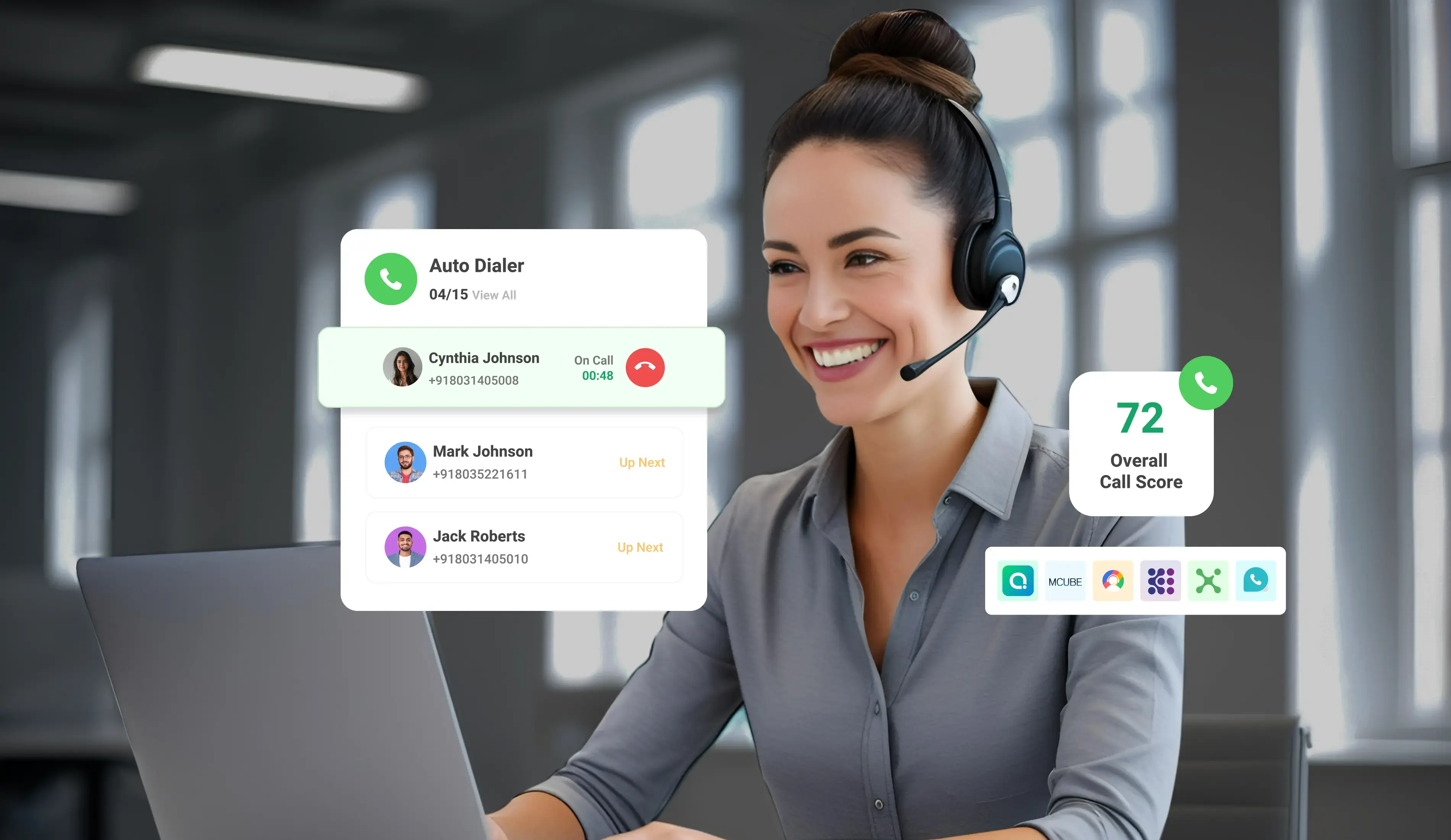
One of the most immediate applications of customer interaction analytics is agent coaching and performance optimization. AI-based Quality Management (AI-QM) allows auto-score calls, track Compliance Adherence (CA), and issue Live Agent Guidance (LAG) by coaching agents, providing speech analytics report and triggering training suggestions.
What’s Coming in 2026: Predictions for the Cloud Telephony Market
.webp)
Automation in Customer Interactions
- Emotion-Aware IVRs that adapt tone, urgency, and routing logic based on real-time mood detection.
- Enable Self-Healing Systems that resolve common network or compliance issues without manual input.
- Agentic AI offers real-time suggestions and feedback to agents, boosting response speed, accuracy, and overall productivity.
- Auto-generate CRM entries, ticket updates, and call summaries with Generative AI.
- Deploy Voicebots with contextual memory, improving multi-turn conversations without data loss.
Global Collaboration
- Offer local virtual numbers in over 85+ countries with geo-aware number provision.
- Achieve follow-the-sun support models with seamless handoff across global. Teams.
- Integrate Multi-level Architectures to serve distributed operations under unified control panels.
- Comply with regional regulations using auto-compliance frameworks and data localization controls.
Revenue-Driven Communication Intelligence
- Expand to new markets with local numbers without the need for capital investment in infrastructure.
- Automated discovery of buying intent and objection patterns across conversations.
- Cloud telephony platforms become revenue engines where teams optimize operations and generate revenue.
- With smart, responsive, and context-aware communication platforms, businesses can stay ahead in the competitive environment.
Customer Conversation Strategies
- By analyzing customer tone, the AI system helps businesses respond based on their emotions.
- Helps businesses to identify product gaps, agent interaction, and business opportunities by analyzing inbound and outbound calls.
- Marketers can create content that actually resonates with the customer conversations and behaviors.
Choosing the Right Cloud Telephony Solution
Finding the right cloud telephony provider is more than feature check; it is about the partner that aligns with your business needs and growth. Look for the platform that provides flexibility, scalability, security, and AI-driven technologies. Also evaluate vendors based on their customer service, pricing, reviews, and how it directly contributes to your business growth.
Conclusion
In the modern business environment, cloud telephony isn't just a tool; it's a transformation. It combines scalability, mobility, automation, and intelligence into a unified communication environment. Whether it's the sales team closing deals faster, support agents resolving queries, or marketers using data to optimize the campaigns, the impact is deep and measurable.
Cloud telephony's future lies in delivering smooth, customized, and instantaneous communication experiences thanks to AI-powered capabilities, omnichannel integration, 5G developments, and strong security measures. By adopting these technologies, organizations can not only meet rising customer expectations but also create new opportunities for innovation, profitability, and global expansion.
Experience seamless, scalable, and secure cloud telephony

Connect Anywhere
Instant Scalability
Real-Time Analytics
Vignesh N

With deep expertise in cloud telecommunications, I help readers explore the latest trends in VoIP and modern business communication. At TeleCMI, I focus on educating businesses with clear, practical insights, making complex telecom concepts easy to understand. I’m passionate about helping organizations improve efficiency, enhance customer engagement, and adopt smarter communication strategies.