How to Choose a Cloud Contact Center Solution: CCaaS Buying Guide

10 mins read

Posted on Aug 18, 2026

Saravana Kumar
SEO


Saravana Kumar
SEO





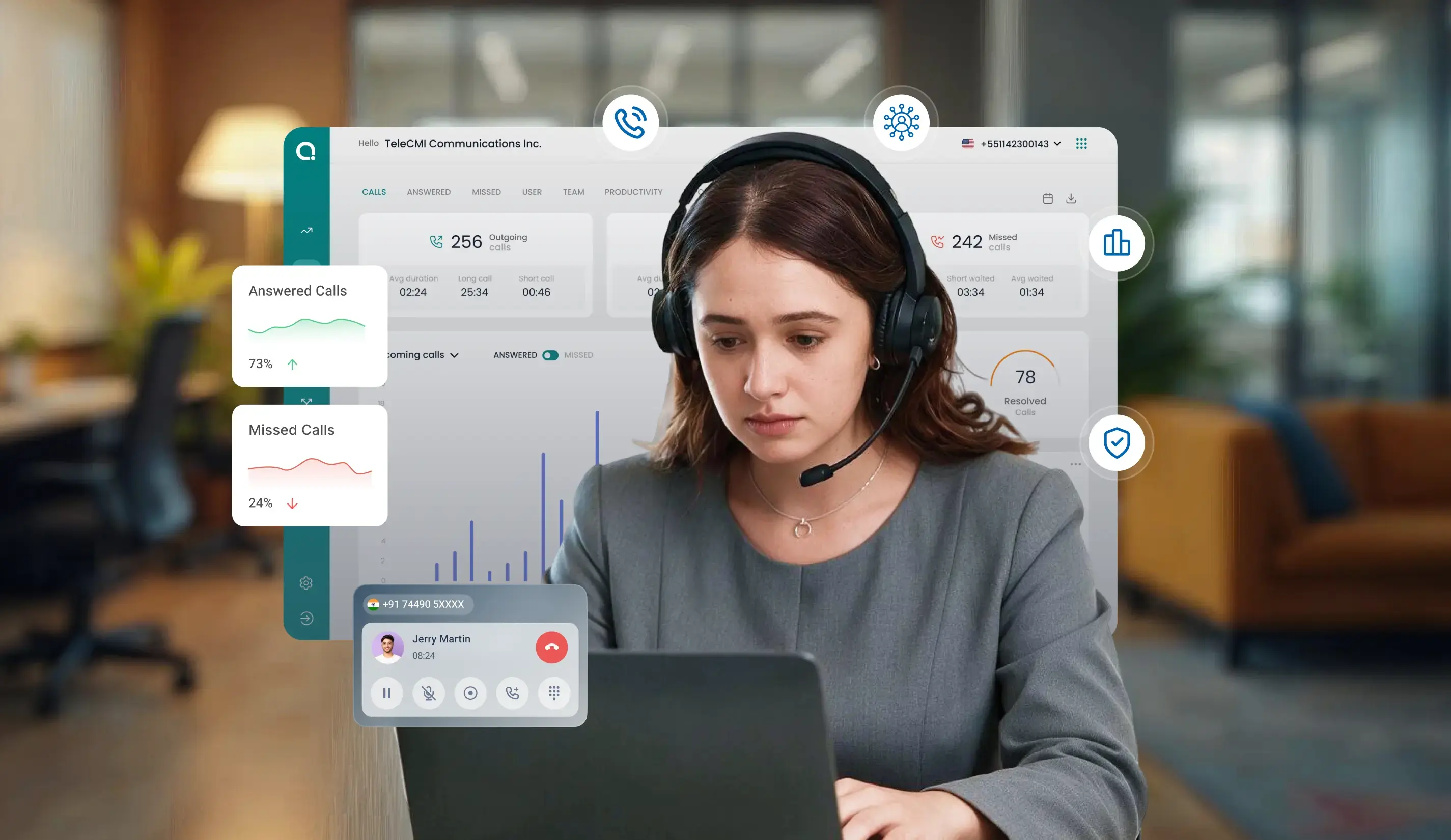
Choosing a cloud contact center solution means matching a platform’s features, channel support, and pricing structure to your team’s actual call volume and workflow- not picking the vendor with the longest feature list. This guide breaks down what to evaluate before you commit.
Most operations managers and IT leads face the same problem: every CCaaS platform claims to be omnichannel, AI-powered, and scalable. After a few demos, the differences can become difficult to see.
Selecting the wrong platform can lead to costly migrations, retraining, CRM integration issues, and reporting gaps. The right choice should fit your current workflow while leaving room for growth.
What Is a Cloud Contact Center Solution, Really?
A cloud contact center solution is a hosted platform that manages inbound and outbound customer conversations across voice, chat, email, and messaging from one internet-based system. It replaces the physical PBX, phone lines, and server room a traditional call center depends on.
The difference from a traditional call center comes down to infrastructure and flexibility:
- No PBX hardware. Everything runs through the cloud, so there is no server rack to maintain or replace.
- No physical location requirement. Agents can log in from any city with an internet connection.
- One dashboard for every channel. Supervisors see calls, chats, and messages in one place instead of switching between separate tools.
- Faster deployment. New agents and numbers can go live in hours, not weeks.
A cloud contact center is also a step beyond a basic cloud phone system. A cloud phone system handles voice calls and not much else. A cloud contact center handles multiple channels simultaneously, with unified routing, reporting, and customer history across all of them, which is the layer a phone system alone cannot provide.
This category fits businesses with a dedicated customer-facing team that handles a mix of inbound and outbound interactions across more than one channel, think support desks fielding tickets and calls, or sales teams running outbound campaigns alongside inbound lead response.
What Type of Contact Center Do You Need?
Cloud contact centers generally support four operating models:
- Inbound: Best for customer support, service requests, and incoming enquiries. Look for IVR, intelligent routing, queues, and CRM integration.
- Outbound: Best for sales, lead follow-ups, collections, and proactive customer outreach. Prioritize auto dialers, campaign management, and CRM automation.
- Blended: Suitable for teams handling both inbound support and outbound sales from the same workforce.
- Omnichannel: Best when customers move between voice, chat, WhatsApp, email, and other channels and agents need a shared interaction history.
Choose the model based on how your team actually works, not simply on the number of channels a vendor offers.
Which Features Actually Matter When You’re Evaluating a Platform?
During a demo, almost every cloud contact center vendor will show you a long feature list. Instead of counting features, focus on the capabilities that directly affect your team's workflow.
Don't evaluate these features in isolation. During a demo or trial, test how they work together in your actual workflow. For example, an auto dialer should work smoothly with your CRM, call dispositions, reporting, and compliance process rather than functioning as a standalone tool.
How Should Team Size Shape Your Decision?
The right cloud contact center depends on your team size, call volume, and operational complexity. A small support team needs simplicity, while larger operations need automation, integrations, and stronger controls.
Choose a platform that meets your current needs without limiting future growth.
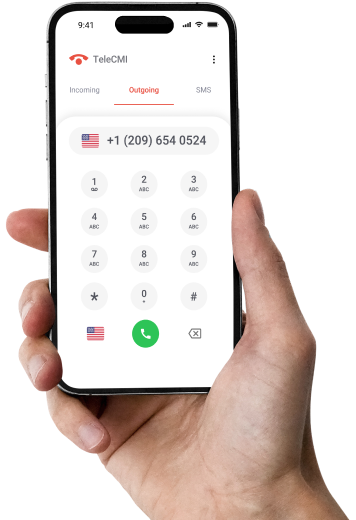
Ready to evaluate a cloud contact center in your workflow?
See how TeleCMI handles CRM integration, omnichannel routing, monitoring, and outbound workflows
What Should You Check for Compliance?
Before choosing a cloud contact center, check these essentials:
- Data residency: Know where customer data and recordings are stored.
- Call recording: Check recording notifications and controls.
- DNC compliance: Verify DND/DNC support for your target market.
- Access control: Ensure role-based permissions are available.
- Encryption: Confirm data is protected in transit and at rest.
- Uptime SLA: Check the provider’s documented uptime commitment.
What Does This Actually Cost, Once You Look Past the Subscription?
The full cost includes subscription, setup, CRM integration, number porting, storage, support, and billing terms - not just the headline rate.
- Base subscription. Per-agent, per-month pricing is the most common model. Confirm whether the rate applies per active agent or per allocated seat, since the two can differ significantly at scale.
- Setup and onboarding fees. Some vendors charge meaningful implementation fees layered on top of the subscription. Ask for this number before signing, not after.
- CRM integration fees. Native connectors should be included in the base plan. Extra charges for integrations that should be standard are worth flagging during evaluation.
- Number porting fees. Moving existing business numbers to a new platform will cost per number that is being ported.
- Storage fees. Call recording storage beyond the included duration frequently carries additional per-GB charges.
- Support tier costs. 24/7 support may be available as part of a paid upgrade plan depending on the platform. For businesses that operate around the clock, it is worth confirming the level of support included with each package.
- Annual vs. monthly billing. Annual plans usually offer a lower effective monthly rate, but they lock in a longer commitment before the platform has been fully validated against real call volume.
Pricing can vary significantly across SaaS platforms, even when vendors offer similar core features.
TeleCMI provides the upfront per-agent pricing and a 14-day free trial, giving teams an opportunity to evaluate CRM integration, call quality, reporting, and overall performance using their own workflows and call volume. TeleCMI currently has a 4.8 out of 5 rating from 302 verified reviews on G2, with users frequently highlighting its ease of setup and integration capabilities.
What Are the Warning Signs You Shouldn’t Ignore?
Several warning signs can indicate that a platform may create problems later, including restricted trials, vague uptime commitments, limited integrations, opaque pricing, and poor support.
- No free trial, or a restricted demo that does not reflect real call volume. Vendors confident in their platform typically offer a genuine trial period against live traffic.
- Vague answers on uptime history. Ask for the actual uptime percentage over the last 12 months, not just the number printed in the SLA document.
- CRM integration is available only through third-party middleware. This can introduce extra cost, added maintenance, and workflow limitations compared with a native connector.
- Support limited to US business hours for a tool the business depends on 24/7. This mismatch shows up fastest during off-hours outages.
- Pricing that requires a sales call even to estimate. Ask for a clear breakdown covering subscription, usage, implementation, integrations, storage, and support before committing to a conversation.
- Long-term annual contracts are required before the platform has been validated in your environment. A trial period or short initial term protects against this.
- No public status page or incident history. Transparency about history is one of the clearest reliability signs a vendor can offer.
How Do You Actually Get This Live Without the Chaos?
A smooth go-live depends more on sequencing than on the platform itself. Mapping call flows, finishing CRM integration, porting numbers, training supervisors, and running a small pilot, in that order, prevents most of the problems teams hit in week one.
1. Map current call flows and IVR logic before migrating. Document the existing call paths, menus, routing rules, and key configurations so they can be accurately recreated in the new platform.
2. Complete CRM integration before the team goes live. Agents should never make a single call without automatic logging from day one.
3. Port existing numbers before switching off the old system. Run both systems in parallel during the porting window to avoid dropped calls.
4. Train supervisors on the monitoring dashboard before training agents. Supervisors need to be proficient with the tools first so they can support the team once live.
5. Run a pilot with 5-10 agents before full rollout. Try to validate the call quality, CRM sync, and recording access accuracy at a small scale before expanding company-wide.
Cloud Contact Center Evaluation Checklist
Before choosing a provider, make sure you can answer these questions:
- Does it support your inbound, outbound, or blended workflow?
- Does it integrate with your CRM and existing tools?
- Can it handle your current and expected call volume?
- Are security, compliance, and uptime requirements clearly documented?
- Is the total cost easy to understand?
- Can you test the platform with your actual workflows?
- Can you scale without changing platforms later?
The Bottom Line
The right cloud contact center isn't necessarily the platform with the most features. It's the one that fits your workflow, integrates with your existing tools, meets your security and compliance requirements, and remains cost-effective as your team grows.
If you want to test those factors in a real environment, TeleCMI offers a 14-day free trial with CRM integration, omnichannel routing, and real-time monitoring.
Test Before You Commit
Don't rely on demos and feature lists. Test TeleCMI with your team's real workflows, call volume, CRM integration, and reporting.
Frequently asked questions (FAQ)
Saravana Kumar

I’m passionate about exploring and sharing insights on modern cloud communication technologies. At TeleCMI, I focus on helping readers understand the evolving world of cloud telephony and IVR solutions in a simple yet in-depth way. My goal is to deliver genuine value by turning complex telecom concepts into clear, actionable knowledge that builds trust and drives innovation.


 for your Call Center and Enhance Efficiency_.webp)