Frustrated Callers? Here's How Multi-Level IVR Solves It

7 mins read

Posted on Sep 11, 2025

Saravana Kumar
SEO


Saravana Kumar
SEO






In the current digital-first world, customers are demanding to be served fast, accurately and conveniently whenever they touch a business. However, the problem is to this effect; majority of callers do not like to be held on the phone line forever and again, or to be asked to explain their issues to several call center operators or have to go through a phone menu that leaves them confused. It is not only frustrating to customers but also the performance of your brand that can be ruined because of a bad call experience.
It is at this point that a multi-level IVR system (Interactive Voice Response) will be extremely beneficial. Rather than exposing callers to hours of hold-music or lengthy listings, a multi-level IVR can structure options in to structured layers, directing the callers to the appropriate resource in the shortest time. The result? Less time spent handling, increased first-call resolution and less angry customers.
There is so much about the intelligent way this solution works, its advantages, technical specifics and how successful businesses can adopt it.
Overview
A multi-level IVR system is not just about automation - it’s about creating clarity, structure, and efficiency in customer communication. Businesses that adopt this technology enjoy:
 Shorter resolution times.
- Higher first-call resolution rates.
- Improved customer satisfaction scores.
- Better agent productivity.
- Scalable support for growth and global operations.
In short, it aligns customer expectations with business efficiency.
What is Multi-Level IVR?
IVR, which stands as Interactive Voice Response, is an automated telephony system that communicates with the callers by way of voice prompts or keypad choices. It assists the callers to hear information, go self-service or be directed to the appropriate agent.
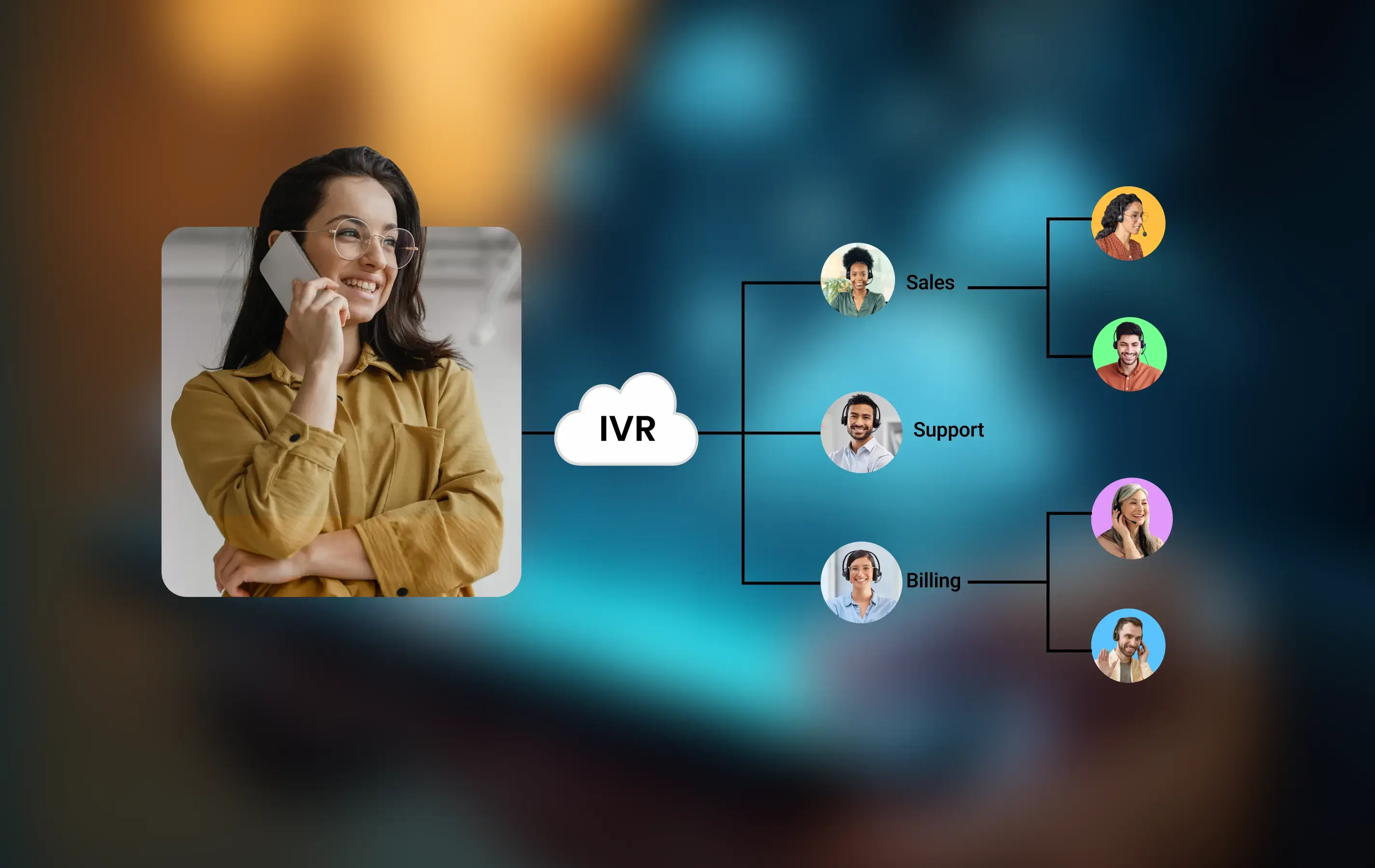
A multi-level IVR system goes to an even greater extent in establishing layers of menu. It does not place all the options on a single screen but sub-divides them into small, well-planned steps.
For example:
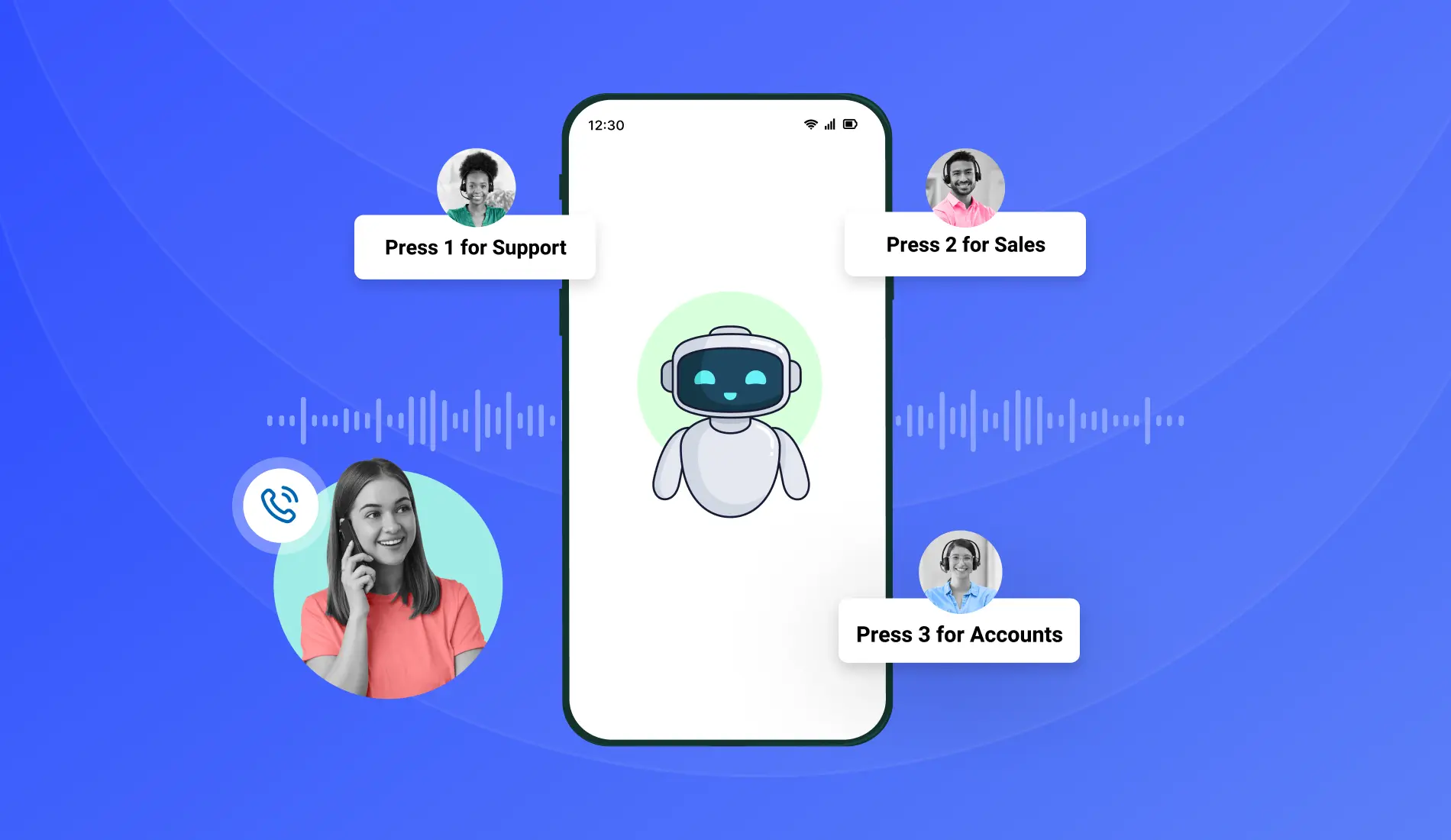
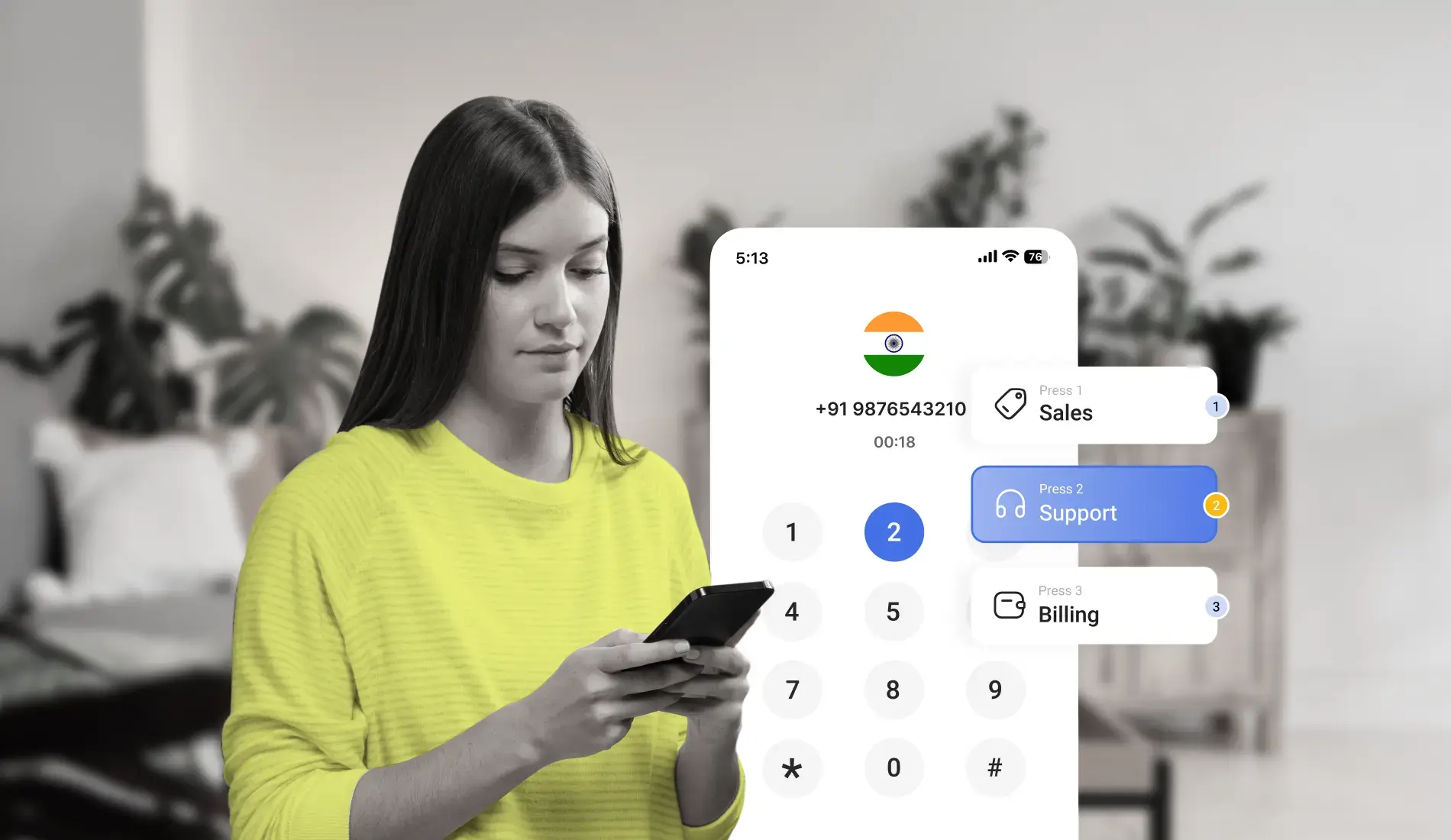
- Level 1: “Press 1 for Sales, 2 for Support, 3 for Billing.”
- Level 2 (Support): “Press 1 for Technical Support, 2 for Account Setup, 3 for Escalations.”
This organized flow is not only helpful in avoiding confusion but also in providing the appropriate assistance to the callers, without the need to transfer them to another department numerous times.
Which IVR Option Fits Your Business Best?
Not every business needs the same type of IVR. Choosing between a single-level and a multi-level IVR system depends on call complexity and team structure.
Single-Level IVR:
- One simple menu.
- Best suited for very small businesses with straightforward queries.
- Example: A small clinic with just two options - “Press 1 to Book an Appointment, Press 2 to Speak to Reception.”
Multi-Level IVR:
- Multiple, layered menus for complex operations.
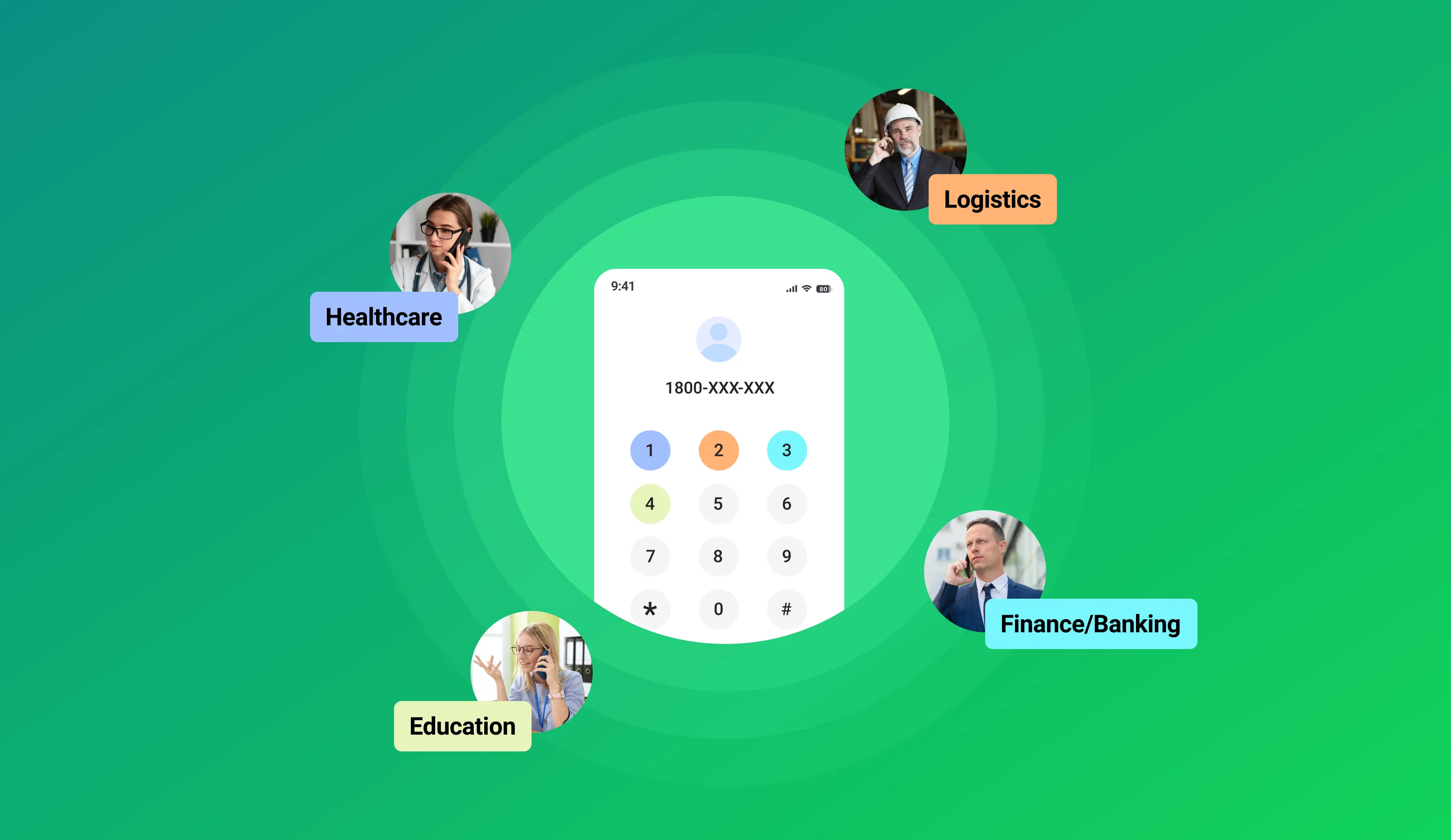
- Most appropriate in SMBs, enterprises and customer facing companies with large departments.
- Example: A telecom service provider with various menus of billing, recharge, network support and enterprise services.
A multi-level IVR solution is nearly always preferable when your organization receives various inquiries, multiple teams, or 24/7 customer support.
How Does a Multi-Level IVR Guide Your Callers?
Imagine a multi-level IVR is a receptionist who does not have a rest. Rather than bombarding customers with ten available options, it views logical follow up questions that refine their intent.
For instance:
- A customer calls for billing support.
- The IVR identifies this at Level 1.
- The Level 2 question enquires with the caller about receiving payment support, invoice information, or requiring billing details update.
- When the call is forwarded to an agent, then the agent is aware of the particular problem.
This multi-level IVR call flow ensures fewer transfers, less frustration, and more accurate routing.
Why Businesses Choose Multi-Level IVR
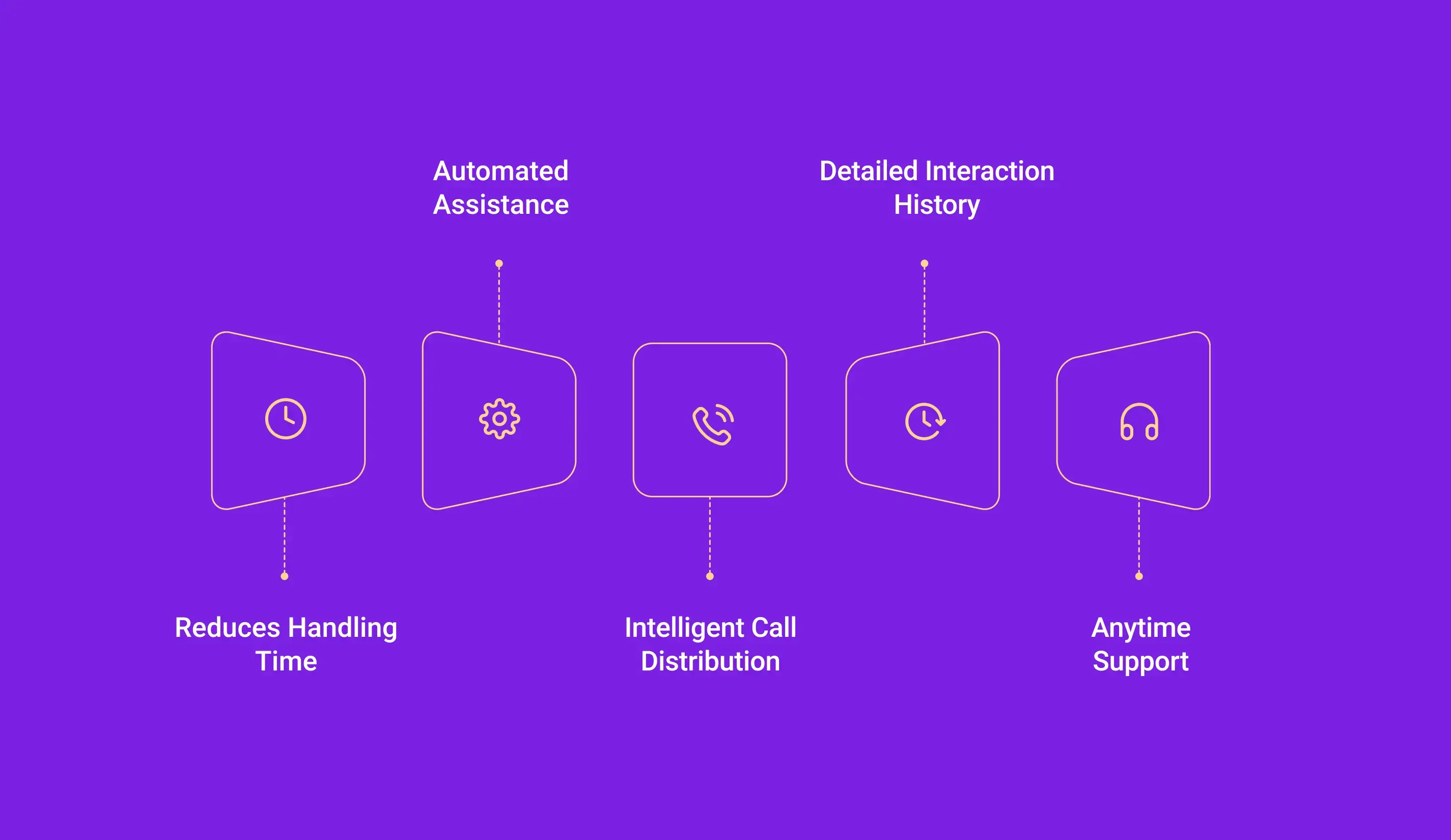
Multi-level IVR systems are used in modern businesses due to its ability to address the typical pain points in the communication with customers. Here’s why:
1. Reduces Handling Time
By reducing customer intent prior to the involvement of the agent, calls become shorter, more targeted, and solved more quickly.
2. Automated Assistance
IVR systems can also be used to process routine tasks such as order status, bill payments or passwords and leave agents to deal with complicated queries.
3. Intelligent Call Distribution
Multi-level IVR is used with the call routing rules of ensuring that the callers are routed and connected to the correct department, skill group or even the agent who would be most appropriate.
4. Detailed Interaction History
The Selection of the callers is recorded and sent to the agents which provides them with a context prior to the conversation. No longer the same question twice.
5. Anytime Support
The basic services are available on 24/7 basis, even when the business is not in operation which guarantees customers more satisfaction and less workload during the busy periods.

According to Gartner, businesses continue to invest in AI-enabled customer communication platforms to improve service efficiency.
What Powers Multi-Level IVR: A Technical Overview
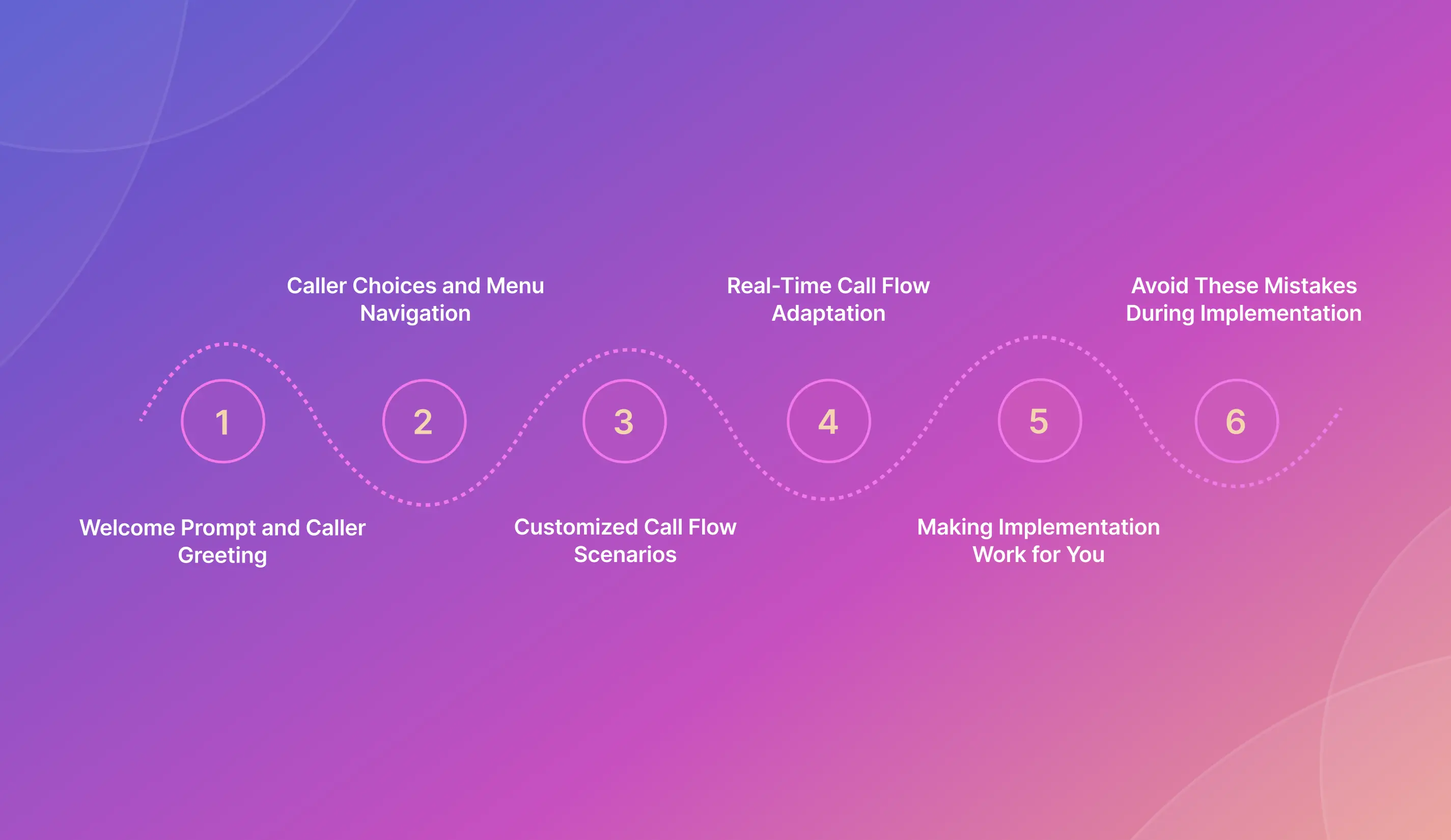
Any multi-level IVR system is supported by a well-thought-out technical infrastructure. Let’s break it down:
1. Welcome Prompt and Caller Greeting
The impression that the IVR creates is the initial one. An effective, short greeting makes an instant recognition to the callers.
2. Caller Choices and Menu Navigation
The menus have to be rationally arranged on each level. A clear visual identity can also make the interface easier for callers to recognize and navigate. A logo generator can help create consistent branding across the interface and other customer-facing touchpoints. Design will help make sure that the callers are never left in the dark as to what to do next or how to get back to the main menu.
3. Customized Call Flow Scenarios
Businesses can design tailored flows - for example:
- Prioritizing VIP customers.
- Offering faster routing for urgent service requests.
- Integrating IVR with CRM to recognize repeat callers.
4. Real-Time Call Flow Adaptation
State of the art IVR services are dynamically adaptive. As an example, when large call volumes are detected, the system can cause callers to request a call back rather than wait.
5. Making Implementation Work for You
Implementing a multi-level IVR solution requires strategy and planning. Here are some tips:
- Keep Menus Simple: Limit each level to 3–5 options.
- Offer a Human Option: Always give callers the choice to speak to a live agent.
- Update Prompts Regularly: Ensure options match current services and business changes.
- Test the System: Conduct dry runs to identify bottlenecks or confusing paths.
- Leverage Analytics: Monitor call flow reports to optimize performance.
6. Avoid These Mistakes During Implementation
Even well-intentioned setups can fail if businesses make these mistakes:
- Overloading Menus: Too many levels frustrate callers instead of helping them.
- Generic Prompts: Robotic, unclear messages make customers feel disconnected.
- No Fail-Safe Options: If customers press the wrong key, they should be able to return to the main menu.
- Ignoring Multilingual Needs: If you serve a diverse customer base, offer menus in multiple languages.
Key Takeaways
 A multi-level IVR system uses layered menus to guide callers step by step.
- It reduces call handling time, improves routing accuracy, and provides 24/7 support.
- The system is best suited for businesses with multiple teams or high call volumes.
- Technical elements like real-time adaptation and CRM integration make it smarter than traditional IVR.
- Avoid common mistakes such as overloading menus or ignoring multilingual needs.
- Platforms like TeleCMI provide scalable solutions for businesses looking to enhance their customer experience.
TeleCMI Offers Scalable Multi-Level IVR for Businesses
TeleCMI offers a multi-level IVR system which are scaled to facilitate business communication. The capabilities provide businesses with faster resolutions through customizable call flows, intelligent routing, and integration-ready technology, and the ability to appear professional. The platform assists whether you are an SMB or an enterprise to ensure that all calls end up in the right destination.
Empower Your Business with Smart Multi-Level IVR

Professional Call Handling
Reduced Wait Times
24/7 Availability
Frequently asked questions (FAQ)
Saravana Kumar

I’m passionate about exploring and sharing insights on modern cloud communication technologies. At TeleCMI, I focus on helping readers understand the evolving world of cloud telephony and IVR solutions in a simple yet in-depth way. My goal is to deliver genuine value by turning complex telecom concepts into clear, actionable knowledge that builds trust and drives innovation.