Top 9 Proven Solutions Of A Cloud Phone System For Healthcare in 2026

10 mins read

Posted on Sep 25, 2024

Vignesh N
SEO


Vignesh N
SEO





Healthcare, as a fundamental pillar of our society, plays a critical role in preserving and safeguarding our well-being. Innovations that enhance patient care are essential in the rapidly changing field of healthcare technology. Because of the digital revolution, incorporating cutting-edge solutions is an integral part of change. One of the most notable of these developments is the use of cloud phone systems, which are changing the norm for communication in hospital settings. Here, we reveal the seven main benefits that make cloud phone systems an invaluable tool for streamlining workflow and transforming communication in healthcare organizations.
What is a Cloud Phone System?
A Cloud Phone System is a modern method of managing calls and messages that utilizes the internet rather than traditional phone lines. It's similar to storing everything safely online and having your phone system in the cloud. This system provides a variety of features, such as intelligent call routing, queuing, Real-Time Call Analytics, voicemail to email, and more, that are accessible from any internet-connected device.
It is significant because it transforms communication by making it more flexible and efficient. Businesses can easily manage calls and messages from any location with a cloud phone system, facilitating more seamless interactions between team members and clients.
The main advantage of a Hosted PBX software is its scalability. No matter the size of the business, it can easily adapt to meet evolving requirements. By offering convenience, flexibility, and streamlined communication, hosted PBX ensures that organizations can manage their operations more efficiently and support growth without limitations.
Did you know?
☑ During the forecast period, the global cloud phone system market is expected to grow at a steady CAGR of 9.7%.
☑ By 2033, the market is expected to generate US$ 57.6 billion in revenue, up from US$ 22.8 billion in 2023.
☑ It is projected that the global market for healthcare contact center solutions will grow to $7,999.6 million by 2023.
☑ The market is expected to grow at a CAGR of 19.9% through 2033, surpassing a valuation of US$ 49,256.8 million.
Source: Future Market Insights.
Role of Cloud Phone System in Healthcare Industry:
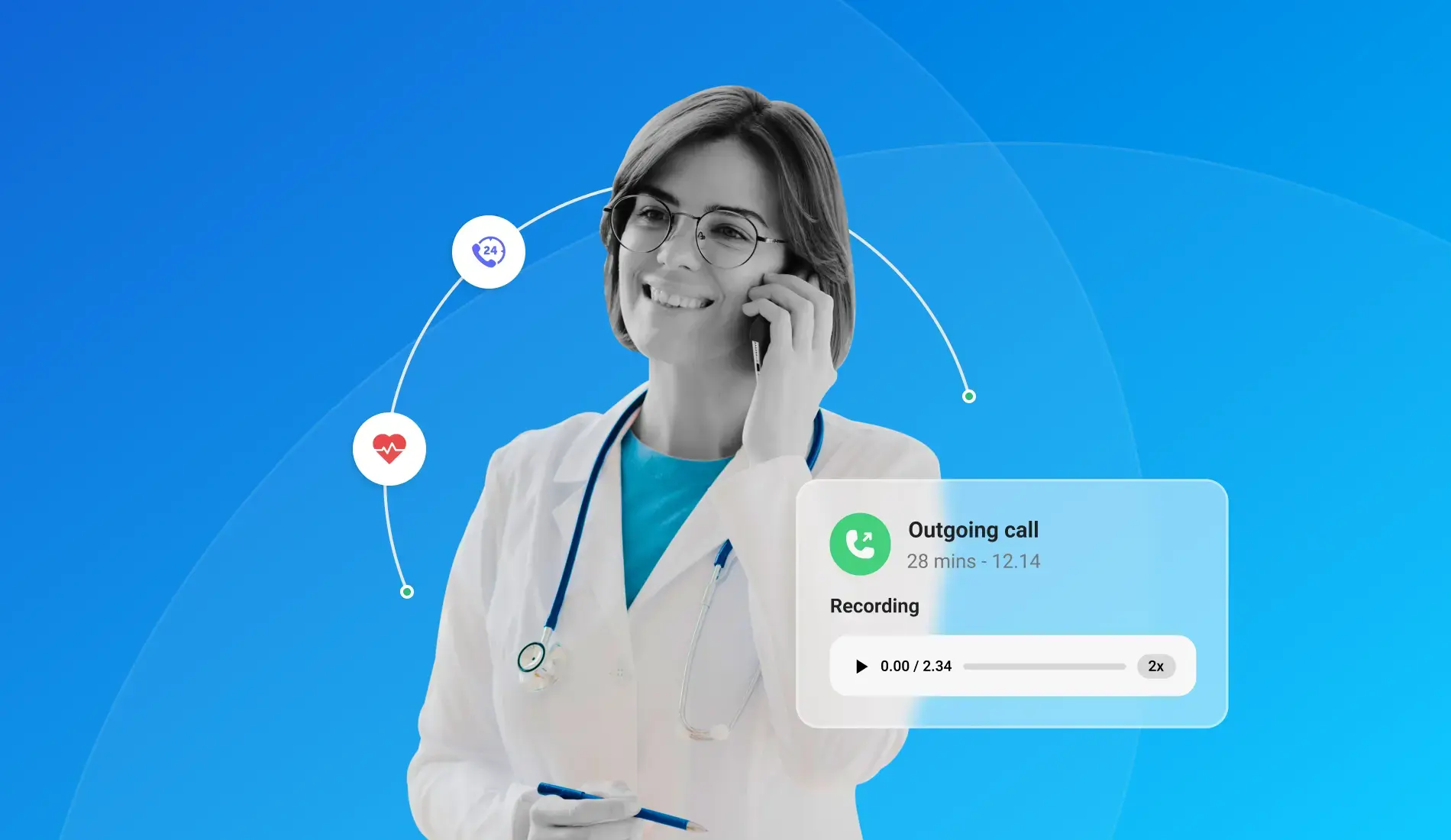
- Communication accessibility and flexibility are improved by cloud phone system for health care, which facilitates quick and easy communication between healthcare professionals through which decisions are taken on the spot which helps for improving patient care.
- All the patient data is stored in the cloud with cloud telephony system which is the best hospital phone system, which helps the hospital staff to get all the details of the patient which includes payment, patient history like medical bills, x-rays and all other radiology billing related information.
- Cloud phone systems support faster coordination between clinical teams and a specialized healthcare revenue cycle management company like AnnexMed, enabling real-time communication to resolve documentation gaps, billing queries, and claim clarifications efficiently, helping reduce delays and improve overall operational efficiency.
- Medical professionals and patients can easily organize their schedules because all processes, including appointments and reminders for upcoming appointments, are fully automated.
- Patient data is highly confidential data that is handled and stored carefully with the help of cloud contact center solutions.
The 9 Biggest Cloud Phone System Challenges —and Their Solutions:
The health care industry is facing some challenges with

1. Poor Call Quality:
Challenge:
Cloud phone systems sometimes get stuck, like voice delays, poor audio quality, buffering during video conferences.
Solution:
Enhance your network with strong internet connectivity with proper bandwith to prioritize cloud traffic.
Upgrade cloud hardware, including routers, handsets and headsets. Maintain generators to avoid power issues in hospitals.
2. Outdated Infrastructure
Challenge:
So many healthcare industries are facing many technical issues in communication as they are still using outdated phone systems that don't provide advanced features. It leads to poor call quality, which will affect the communication between staff members and patients, which ultimately impacts the quality of operational effectiveness.
Solution:
To come out of this challenge of outdated infrastructure, healthcare industries must upgrade to modern communication systems with advanced technology.
Cloud telephony is one of such updated technologies with high-quality features that provides good quality of sound, when calling. It also provides additional features such as video calling, SMS, email messaging and more, which helps the healthcare industry to maintain wealthy atmosphere between staff members and patients.
3. Communication Fragmentation
Challenge:
Communication fragmentation occurs when healthcare industries do not maintain proper customer service to use different communication channels such as phone calls, emails, and messaging apps, leading to inefficiencies, missed messages, and difficulty in tracking communication history. It creates confusion in staff members and also delays patient care which decreases the overall productivity.
Solution:
Healthcare industries can sort out this issue by implementing unified communication platforms that combine various communication channels with features such as (instant messaging, video conferencing, email, and more) into a single platform. It allows seamless communication and collaboration among healthcare professionals. Regular training sessions for staff members help them to become experts in using the unified communication platform effectively.
4. Telehealth vs. Traditional In-Person
Challenge:
Mainly during the pandemic, the growth of telehealth has provided convenience and increased access to care. But it also brings with it difficulties like maintaining healthcare standards, handling technological demands, and handling privacy issues. Considering these factors is important when balancing telehealth with traditional in-person care.
Solution:
During pandemic, telehealth has become essential for in-person medical care. Cloud phone solutions facilitate telehealth by offering dependable, secure, and superior video and audio communication capabilities. By enabling remote consultations, these systems minimize the need for in-person visits while ensuring stability of care.
5. Limited Flexibility And Scalability
Challenge:
Cloud phone systems in the healthcare sector can be challenging to scale and modify, particularly as the industry expands. Variations in call volume may be difficult for traditional phone systems to handle, which can result in missed calls, protracted wait times, and more.
Solution:
Healthcare companies can use cloud-based phone systems, which provide scalable solutions that can adapt to changing call volumes and business needs, to address limited scalability and flexibility. Usually, cloud-based pbx systems come with features like on-demand scalability, which makes it simple for businesses to add or remove phone lines and alter ability as needed. Furthermore, companies need to select suppliers with flexible pricing structures that let them pay for just the services they really utilize.
6. Security And Compliance Issues
Challenge:
Due to the sensitive nature of patient data, healthcare phone systems security and compliance are essential. Healthcare companies encounter difficulties with data security, encryption, access control, and following rules and guidelines in the industry.
Solution:
Healthcare organizations should get in touch regularly with cloud phone system providers who place a high priority on data security and industry regulatory compliance in order to address security issues. To protect patient data, providers should provide features like end-to-end encryption. Organizations should also regularly perform security audits to find weaknesses and make sure regulations are being followed. In order to reduce the risk of data breaches and guarantee the secure handling of patient information, staff training on security best practices and protocols is also important.
7. Integration With Modern Technologies
Challenge:
The use of modern innovations like AI, IoT in the healthcare industry is growing rapidly, but healthcare industry call center technologies are not up to the mark.
Solution:
Healthcare organizations should choose cloud phone system providers that offer strong integration capabilities and support for modern technologies in order to address integration challenges. In order to help organizations take advantage of AI-driven features, IoT devices, and analytics tools to improve communication and patient care, providers should offer APIs and SDKs that facilitate seamless integration with third-party applications and platforms.
8. Staffing Shortages And Communication Challenges
Challenge:
In hospitals, due to a lack of staff members, communication is becoming more difficult, which can cause delays in patient care and a higher chance of mistakes in every department.
Solution:
Healthcare organizations can use strategies like cross-training staff members to take on multiple roles and tasks to address staffing shortages and communication issues. This will ensure continuity of care and improve team member communication. Furthermore, even in remote work environments, staff coordination and communication can be improved by utilizing technology solutions like cloud phone systems with integrated collaboration features.
Key Takeaways:
- Maintenance of cloud telephony systems are maintained by cloud contact center service provider handling updates, security, and technical support, freeing up valuable time for healthcare industry to focus on their core operations.
- Cloud telephony's flexibility makes it quick and easy to communicate from any location with an internet connection, facilitating remote work and increasing mobility.
- Cloud Phone System For Healthcare is extremely dependable, with redundant and secure servers ensuring minimal downtime and continuous operation.
- Cloud telephony systems use internet-based technology to offer scalable and cost-effective communication solutions which is considered as the best hospital phone system.
Transforming Healthcare Connectivity Through TeleCMI's Cloud Phone System:
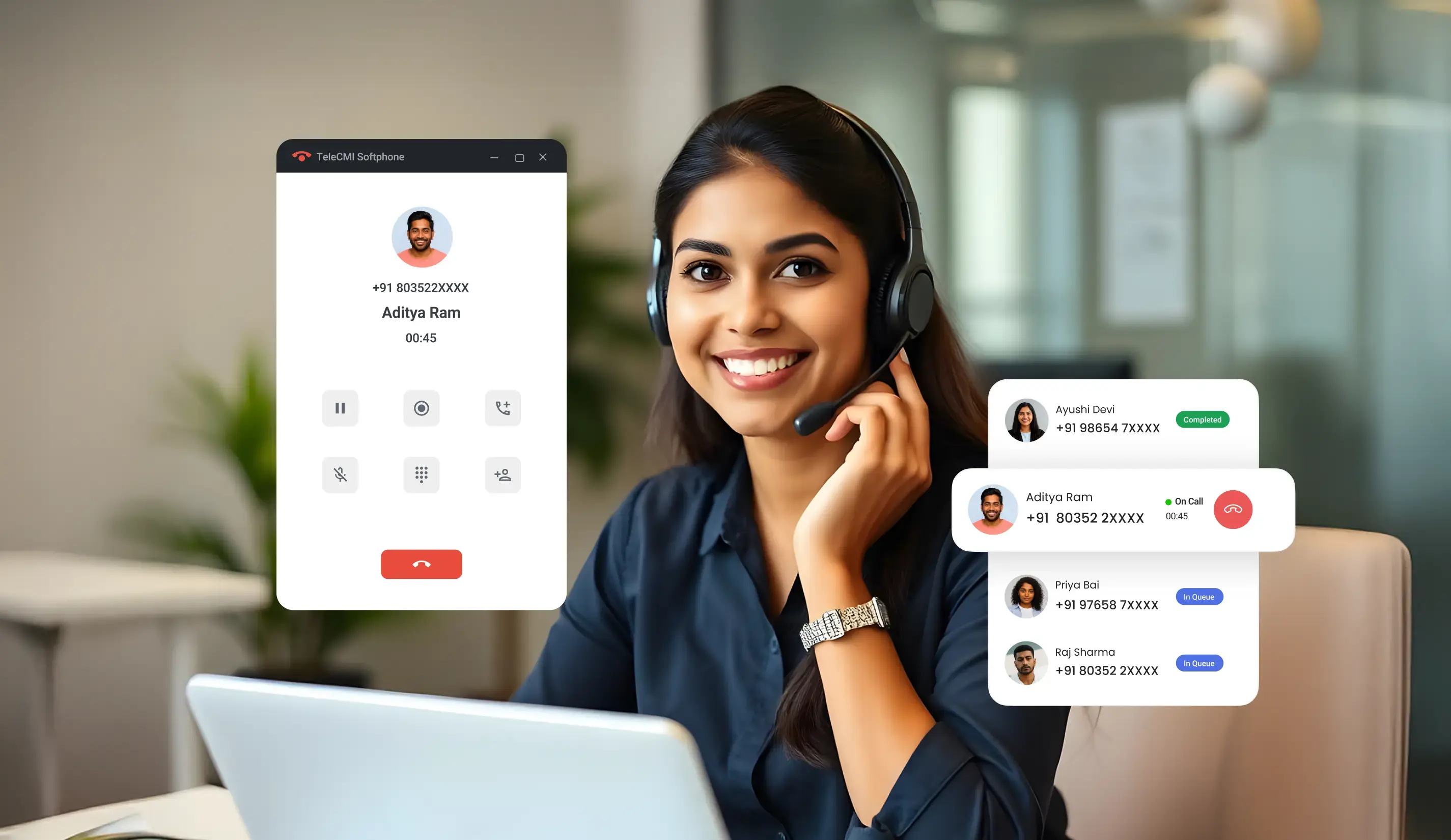
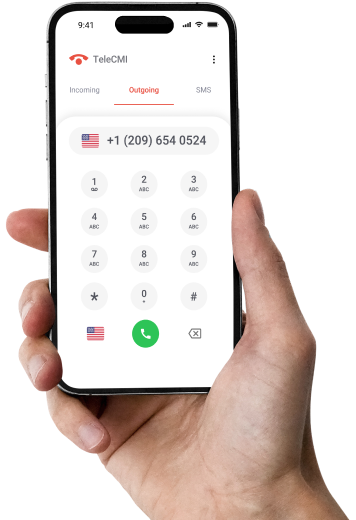
TeleCMI's cloud phone system offers various features that streamline healthcare communication and improve patient care. By integrating innovative tools like Virtual Phone Numbers, Voicemail, and Call Conferencing, TeleCMI ensures seamless connectivity and collaboration among healthcare professionals. TeleCMI stands as one of the top reliable business phone system providers in the market.
Custom caller ID and versatile mobile and desktop apps provide healthcare facilities with flexible and personalized communication solutions. These features help healthcare teams stay connected while on the go and maintain consistent interactions with patients and colleagues, thereby enhancing overall efficiency.
TeleCMI is committed to providing advanced functionalities that transform healthcare communication, reinforcing its position as a leader in delivering tailored solutions for modern healthcare practices.
Upgrade Your Business Communication with Smart AI-Driven Phone Solutions!

Connect From Anywhere
Improve Team Productivity
Customizable Solutions
Frequently asked questions (FAQ)
Vignesh N

With deep expertise in cloud telecommunications, I help readers explore the latest trends in VoIP and modern business communication. At TeleCMI, I focus on educating businesses with clear, practical insights, making complex telecom concepts easy to understand. I’m passionate about helping organizations improve efficiency, enhance customer engagement, and adopt smarter communication strategies.


.webp)
.webp)