15 Efficient IVR Call Routing Strategies to Boost Productivity

6 mins read

Posted on Oct 15, 2024

Saravana Kumar
SEO


Saravana Kumar
SEO





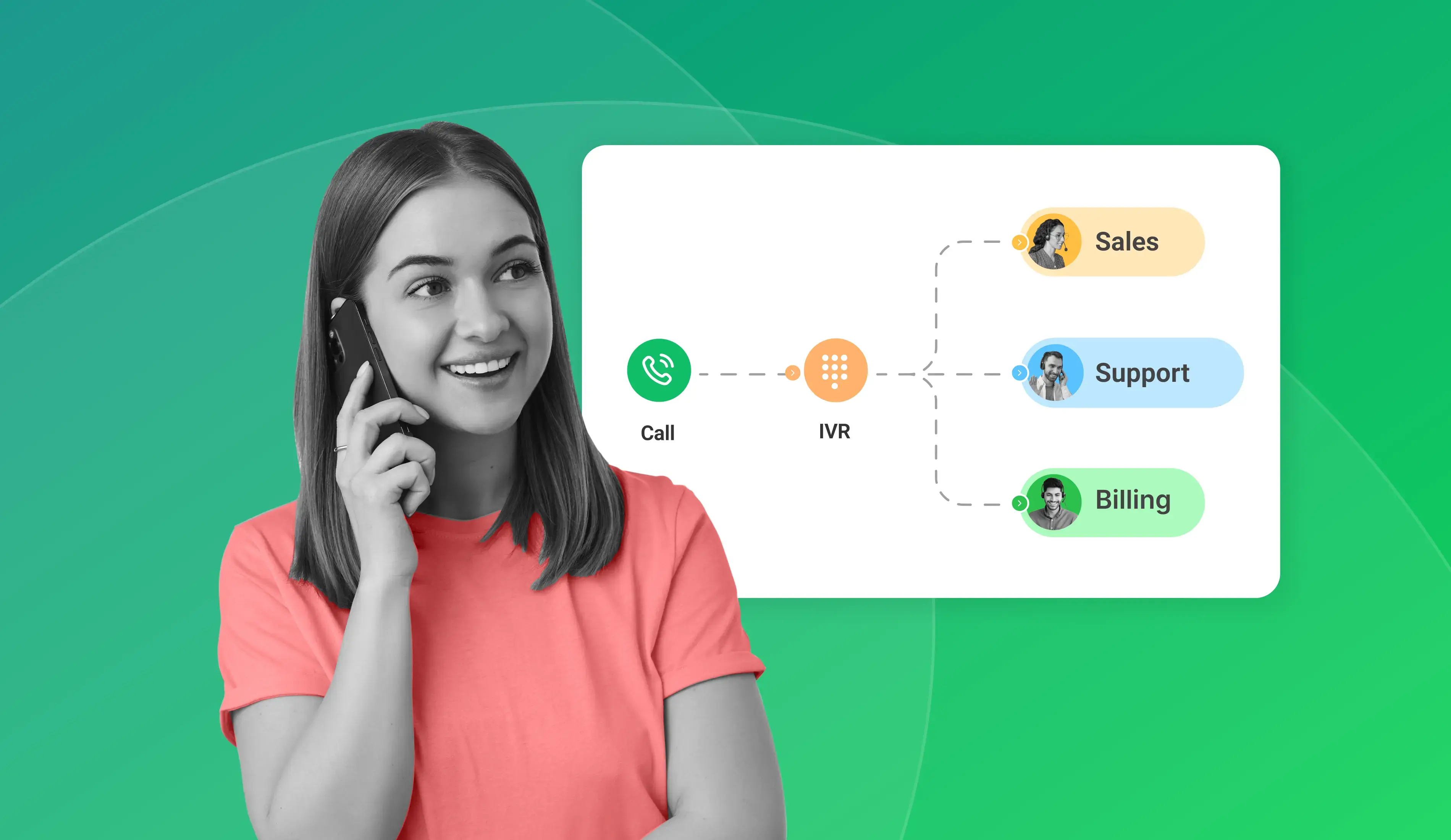
Interactive Voice Response (IVR) plays a crucial part in modern communication for today’s businesses. This enables organizations to streamline their work operations and enhance interactions and collaborations effectively.
Based on the desired response from the user, the call is routed to the respective team or agents by cloud IVR service. In this blog, let us explore the top 15 efficient call-routing strategies that can boost business and agent productivity.
What is IVR call routing?
IVR call routing refers to the technology that enables incoming calls to be directed to the respective destination through a pre-defined system (IVR) based on the caller’s input. This can enhance customer satisfaction when the calls are quickly routed. By utilizing IVR systems, businesses can also reduce waiting times, improve customer response, and improve overall experience.
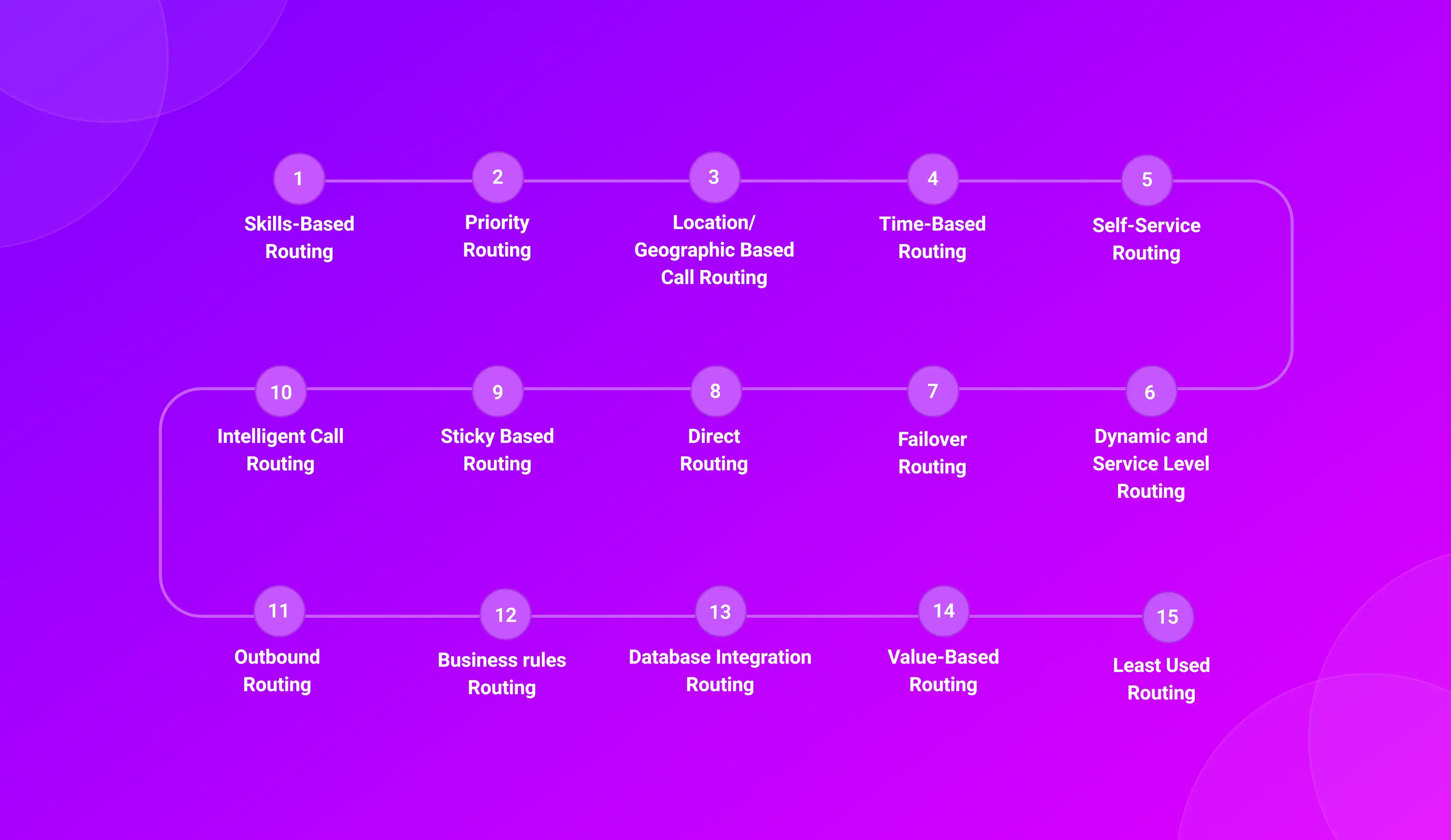
Different types of IVR Call Routing Strategies:
Let us explore the various types of IVR call routing strategies here:
1. Skills-Based Routing
As the name suggests, skill-based routing refers to directing the call to the desired agent or team based on skills. Thus, customers can be connected to the respective person on the line who can address their issues on time and provide a prompt response by reducing the call duration. This can, in turn, increase customer satisfaction to a greater level.
2. Priority Routing
Priority call routing in a cloud PBX phone system enables calls to be prioritized based on specific criteria, such as customer status, including VIP or emergency levels. This feature ensures that high-value or urgent calls receive immediate attention, enhancing customer satisfaction and improving the overall experience with the organization’s communication platform.
3. Location/Geographic Based Call Routing
Next comes geographic-based call routing, which is routed based on the caller’s geographic location. This strategy is useful for businesses which have multiple branches across the globe. It enables localized support by considering geographical features and customer preferences. For instance, a caller from Austin can be routed in the same region to get more relevant assistance instantly.
4. Time-Based Routing
Time-based routing routes the call based on the time of the day or specific business hours. With this approach, businesses can quickly manage greater call volumes, especially during peak times which ensures that customers reach the desired department or agent based on the availability. For example, when a caller makes a call outside the business hours, it is routed to the voice mail or after-hours support team.
5. Self-Service Routing
Self-service routing empowers callers to resolve their queries without the need for an agent to direct the call. You can also offer an automated response strategy to general queries in order to limit the call volumes, call queuing, and customers will also be satisfied with the prompt response. Common queries here include balance inquiries, appointment scheduling, or basic troubleshooting.
6. Dynamic and service level routing
Dynamic call routing in real-time based on current conditions such as agent availability, call volume, etc. While, service level call routing prioritizes the call based on the predetermined service levels by ensuring certain targets such as response time, etc., are consistently met. Considering these two factors altogether can enhance the adaptability and efficiency of call handling.
7. Failover Routing
As the name suggests, failover routing is responsible for providing backup options during failure or high call volumes. If the business phone system is overpowered, calls are automatically rerouted to the alternative agents or departments on the line, which minimizes disruptions and maintains service quality.
8. Direct Routing
Direct routing connects callers automatically to the desired department or agent by bypassing the IVR menu completely. This method is effective in case of repeating customers or in a situation where quick resolution is essential that can enhance efficiency and customer satisfaction.
9. Sticky Based Routing
Sticky-based call routing refers to the feature where existing customers get a chance to speak with the previously spoken agent. This can build rapport with customers and also improve customer satisfaction through quick call resolutions as agents are familiar with the caller’s history.
10. Intelligent Call Routing
Intelligent call routing implements algorithms and machine learning to evaluate caller data and behaviors. This strategy helps in adjusting call paths to optimize outcomes based on the historical interactions, preferences, and real-time conditions by providing a highly personalized customer experience.
11. Outbound routing
Outbound call routing includes making calls to the customers as a part of follow-ups, reminders, and marketing purposes such as discounts, coupons, etc. This strategy can also build strong customer relationships as they are contacted based on their preferences and needs.
12. Business rules routing
Business rules routing incorporates specific guidelines to route the calls based on the organizational policies or customer data.
13. Database Integration Routing
Database integration routing links IVR software with customer databases, allowing tailored routing based on the real-time information, and businesses get the most from it when that database is a custom CRM software development build shaped around how each team sells. This method ensures that the call is directed to the agent who have access to the customer data and enables them to make decisions based on it.
14. Value-Based Routing
This type of IVR call routing by prioritizing the call based on the perceived value of the customer or the inquiry. This strategy ensures that high-value customers or emergency issues receive immediate attention, configuring resource allocation and improving customer relationships.
15. Least Used Routing
Least used routing directs calls to agents or resources that are underutilized. This approach balances workloads among agents, helping prevent burnout and ensuring that all representatives have opportunities to engage with customers.
Conclusion:
IVR call routing is a crucial tool for businesses with a motto to improve their communication strategies and customer service. By incorporating various routing methods, organizations can improve efficiency, ensure prompt responses, and build better customer relationships. As technology continues to grow, embracing intelligent and high-end routing solutions will be key to staying competitive.
Get Efficient Call Routing with IVR! Improve Your Customer Support Today!

Skills-based Routing
Click-to-Call Integration
Multi-language Support
Frequently asked questions (FAQ)
Saravana Kumar

I’m passionate about exploring and sharing insights on modern cloud communication technologies. At TeleCMI, I focus on helping readers understand the evolving world of cloud telephony and IVR solutions in a simple yet in-depth way. My goal is to deliver genuine value by turning complex telecom concepts into clear, actionable knowledge that builds trust and drives innovation.