Why Delivery Businesses in India Need Call Masking in 2026

11 mins read

Posted on Jun 09, 2026

Vignesh N
SEO


Vignesh N
SEO






Delivery exploded across food, e-commerce, courier, and logistics. Every order moves through multiple touchpoints. Customer places it. Warehouse picks it. Driver delivers it. Each handoff requires a phone call.
Here's the problem: customer phone numbers travel unprotected through every stage. Driver numbers get exposed to hundreds of customers daily. Privacy breaks. Revenue leaks. That's where call masking comes in.
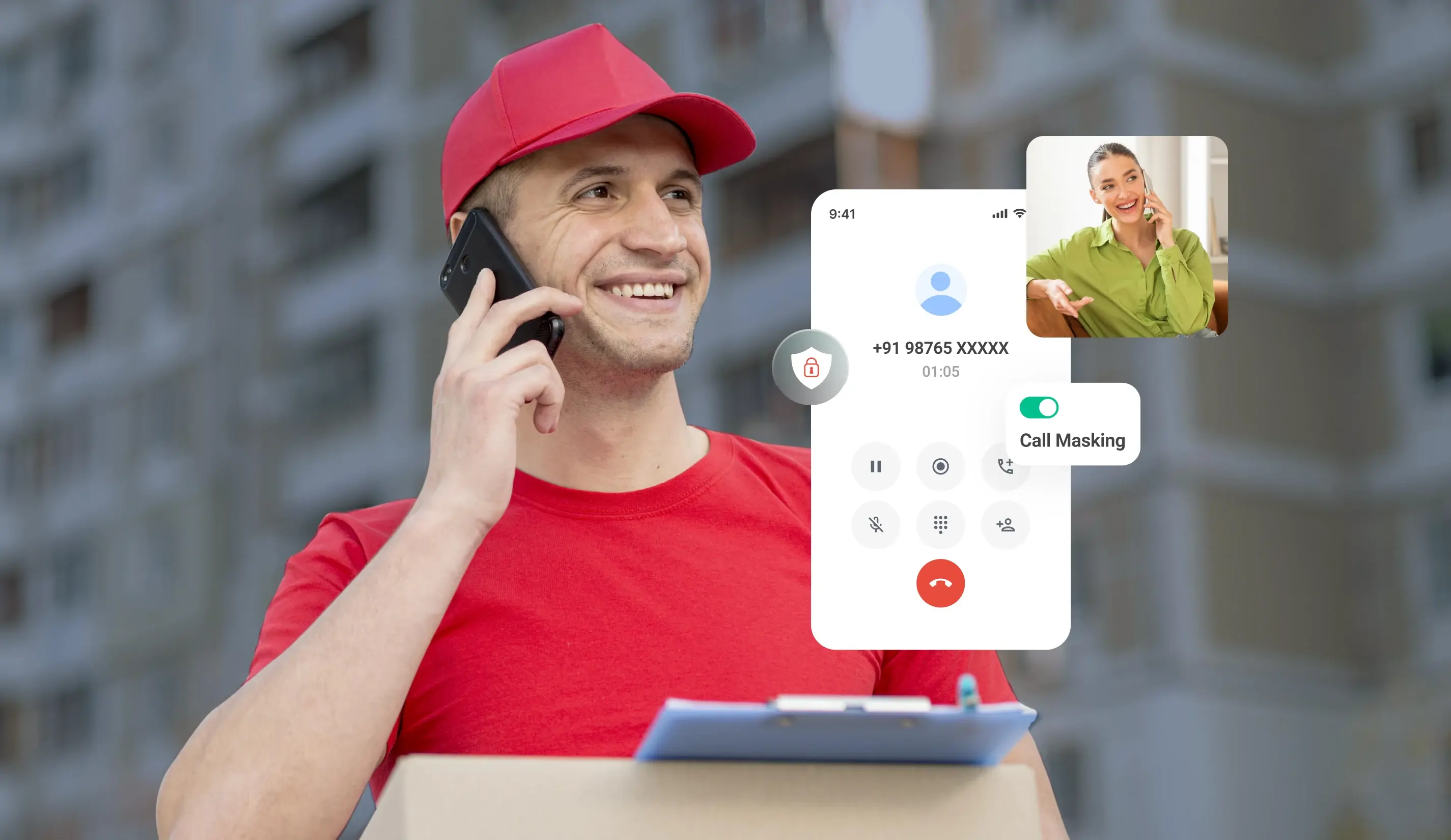
What is call masking? It's a simple idea: temporary phone numbers replace real ones. The customer calls the driver using a masked number. The driver calls the customer using a masked number. Real phone numbers stay hidden. After delivery, the masked number expires and becomes unusable. Communication stays inside your platform.
Delivery communication involves 3 parties: Customer, Driver, and Platform. Call masking protects communication between all three.
Why do delivery businesses need call masking?
• Protect customer and driver phone numbers
• Prevent revenue leakage and direct bookings
• Stop unwanted post-delivery calls
• Enable call tracking and monitoring
• Improve delivery privacy and trust

Key Takeaways
 Protects customer and driver phone numbers from exposure by replacing real numbers with temporary system numbers
- Keeps communication inside your controlled systems where you can monitor and track every interaction
- Reduces unwanted calls after delivery completion because masked numbers automatically expire
- Enables full monitoring and call tracking that raw phone numbers never could provide
- Prevents direct bookings that bypass your platform by making it impossible for customers and drivers to reconnect
- Builds customer trust through visible privacy protection—showing them their data stays secure
Why Communication Makes or Breaks Delivery
Think about your last food order. Driver called. You gave directions. Food arrived. Simple transaction.
But studies suggest 75% of Indians refuse to answer calls from unknown numbers. That statistic changes everything. This is where call masking becomes critical—it replaces those scary unknown numbers with local, trusted masked numbers that customers actually answer. Your driver stays hidden behind the system, your customer stays protected, communication happens anyway. Your drivers call. Customers don't pick up. Orders get delayed. Revenue gets lost.
Delivery windows have collapsed. Food expects 30 minutes. Grocery expects 2 hours. E-commerce expects 2 days. Every call matters. Every second counts.
A missed call means a missed delivery. A wrong address means a returned package. A frustrated customer means lost reputation and churn.
Communication isn't helpful anymore. It's the difference between a 5-star rating and a refund. Between a repeat customer and someone who switches to your competitor.
The Real Problems Without Call Masking
These aren't hypothetical. They happen daily in delivery operations that haven't implemented call masking—a system that hides driver identity from customers (and vice versa) so real numbers never get exposed in the first place.
Phone Numbers Get Exposed
Picture this: a food delivery customer gets the driver's real number. The next day, the customer calls directly. Offers a 20% discount. Driver accepts. Platform loses commission. Happens silently. Your margins shrink without explanation.
It's not just customers. Drivers face exposure too. Their numbers reach hundreds of people monthly. Spam calls multiply. Harassment increases. Good drivers quit. Recruitment costs skyrocket.
Unwanted Calls Continue After Delivery
Transaction ends. Food arrives. Package delivered. Communication should stop.
But it doesn't. Customer calls for personal reasons. Driver calls to complain. Negotiate. Harass. The relationship continues when it shouldn't.
Without masking, every delivery creates a personal connection that lasts. Calls pile up. Customers complain. Drivers get stressed. Your business gets blamed for chaos it didn't create.
You Can't See Your Own Communication
A food delivery company processes 200,000+ orders daily. That's 200,000 conversations happening simultaneously. Without visibility, you see nothing.
No call logs. No recordings. No metrics. Just faith that communication happened correctly.
When a customer complains about rude behavior, you can't verify it. When a driver claims the customer wasn't home, you can't prove it. When fraud happens, evidence disappears. Disputes take weeks to resolve. Training becomes impossible.
Scaling Communication Gets Chaotic
One driver. One customer. Easy to manage.
Scale to 1,000 drivers and everything breaks. Each number needs protection. Each needs monitoring. Each needs tracking. Without masking, management becomes impossible. Numbers get misused. Calls go unmonitored. Data scatters across devices.
Managing scale requires control. Control requires visibility. Visibility requires masking.
Why 2026 Changes Everything for Delivery
Conversational AI will handle 1 in 10 customer service interactions by 2026. AI voice agents answer calls, qualify issues, and book deliveries. But AI needs control and visibility—that's what number masking provides. It's a system where temporary numbers replace real ones, AI routes calls through those masked numbers, and you get complete visibility into every interaction without ever exposing identities.
By 2026, Many reports indicate AI automation will reduce global contact center labor costs by $80 billion. That power only works if you control your communication channels.
Meanwhile, customer privacy expectations shifted. GDPR. CCPA. India's DPDP Act. Regulations tightened. Non-compliance means fines. Fines mean lost revenue and damaged reputation.
Your competitors are already using call masking. Top delivery platforms safeguard customer identities automatically. If you're not, you're falling behind on both security and customer perception.
The math is simple: call masking costs less than revenue lost to sidetracking. It costs less than DPDP Act fines. It costs less than customer churn from privacy breaches.
How Call Masking Actually Works
- The Flow
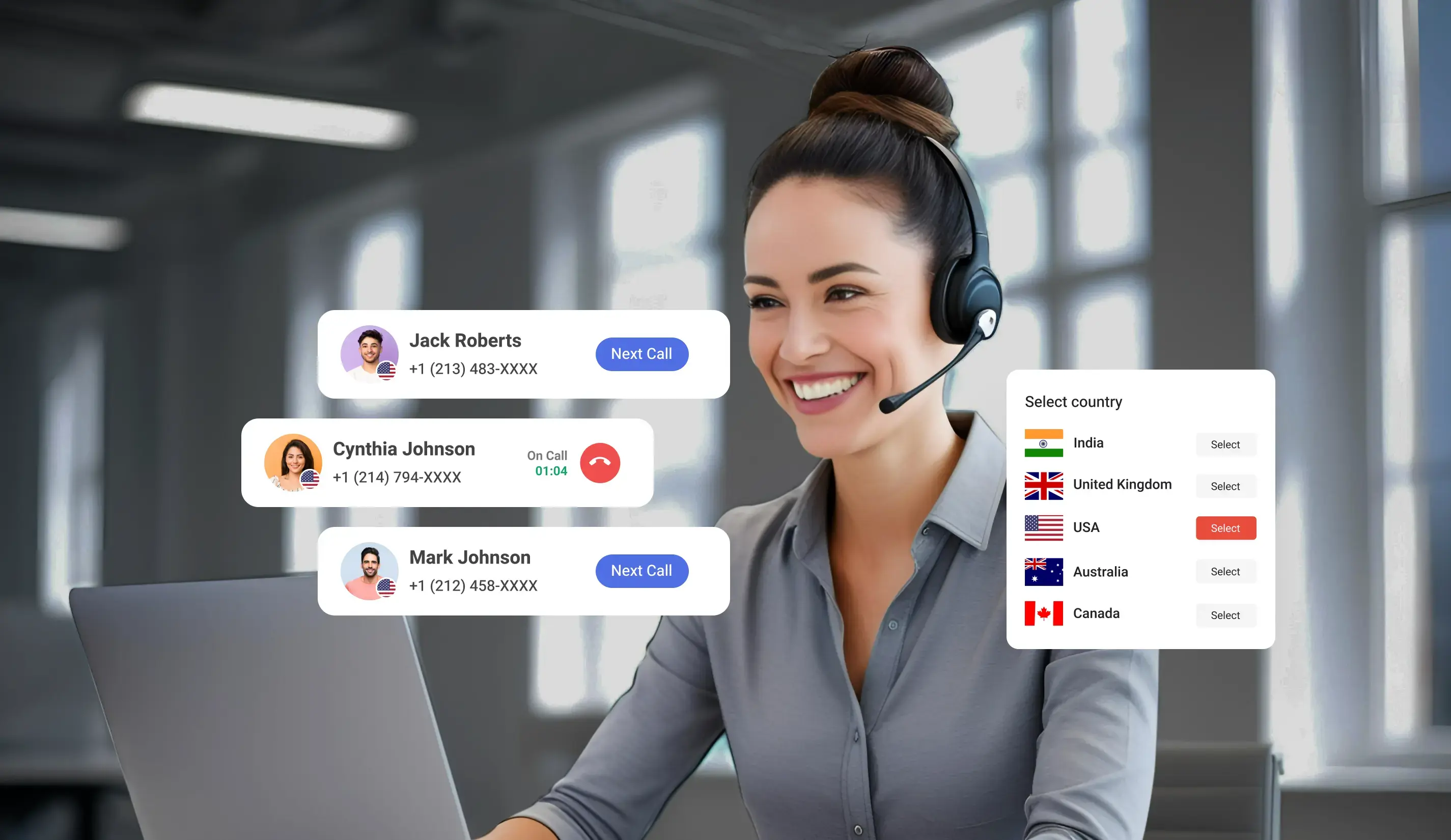
Customer places an order. Your system generates a temporary masked number for that specific delivery. When the driver calls, the customer sees the masked number (looks like a normal Indian phone number). When the customer calls, the driver sees a masked number. Both talk freely. Real numbers never appear on either person's phone.
Call duration: typically 2-5 minutes for most deliveries.
Masked number active: from order confirmation until 2 hours after delivery completion (time varies by platform).
After the window closes: the number expires. Becomes inactive. No future calls possible. Clean break.
- For Tier 2 and Tier 3 Cities
In smaller Indian cities, trust matters more. Local phone numbers feel safer than distant ones. Call masking lets you show local numbers from nearby regions—familiar prefixes increase answer rates. Drivers get better connectivity. Customers answer calls more often.
This changes communication success in cities where phone skepticism is higher.
Delivery Scenarios Where Call Masking Changes the Game
- Food Delivery (Zomato, Swiggy, Uber Eats model)
Customer orders pizza at 7 PM. Your system uses call masking—assigning a unique temporary number just for this delivery. Driver's masked number appears on the customer's phone. Driver calls to confirm address. Customer gives directions. Pizza arrives. Transaction ends. Masked number expires at 9 PM.
Customer can't call driver again. Driver can't call the customer again. No harassment. No direct booking. No leaked phone numbers.
Process 50,000 orders daily? Same system handles it. Same privacy. Same control.
- E-commerce & Fashion
Online shopper buys a laptop. Your system implements call masking—replacing real numbers with temporary ones for this delivery. Courier partner's masked number shows during the delivery window. Courier calls to confirm the delivery time. Customer approves. Package signed for. Masked number becomes inactive immediately after.
Without masking: the customer gets spam calls from the courier for months. Worse, customer address and phone number get sold to third parties.
With masking: Amazon and Flipkart don't face this. You shouldn't either.
- Grocery Delivery (Blinkit, Zepto, BigBasket model)
Speed matters. Fresh produce. 2-hour delivery window. Customer orders. Milk is out of stock.
Call masking is your solution here—temporary numbers that expire immediately after delivery. Driver calls instantly on a masked number. "Can we substitute with this brand?" Customer approves on the call. Order completed. Privacy intact. Driver never has the customer's real number for future harassment or direct dealing.
- B2B Logistics & Courier
Pharmaceutical company ships temperature-sensitive drugs. Legal firm delivers confidential documents. Tech company transports prototype hardware.
B2B logistics involves sensitive information. In these cases, call masking means drivers and clients never exchange real phone numbers. A single leaked number exposes client relationships, trade secrets, and business partners. Masked calling system protects this automatically. Drivers can't leak client contacts. Shipping companies can't expose B2B relationships. The system enforces privacy as a default.
Signs Your Delivery Business Needs This Now
Look for these warning signs:
- Drivers report spam calls or harassment after their shifts end
- Customers complain about calls from drivers asking for direct bookings
- Revenue mysteriously drops—suspect sidetracking to direct deals
- You have no way to track what was discussed during delivery calls
- A data breach or privacy complaint has happened
- Customer retention is dropping, and trust seems low
- Managing communication across your driver fleet feels chaotic
- Competitors mention security and privacy in their marketing, and it resonates with your customers
If two or more apply, you need call masking.
Getting Started: 6-Step Implementation
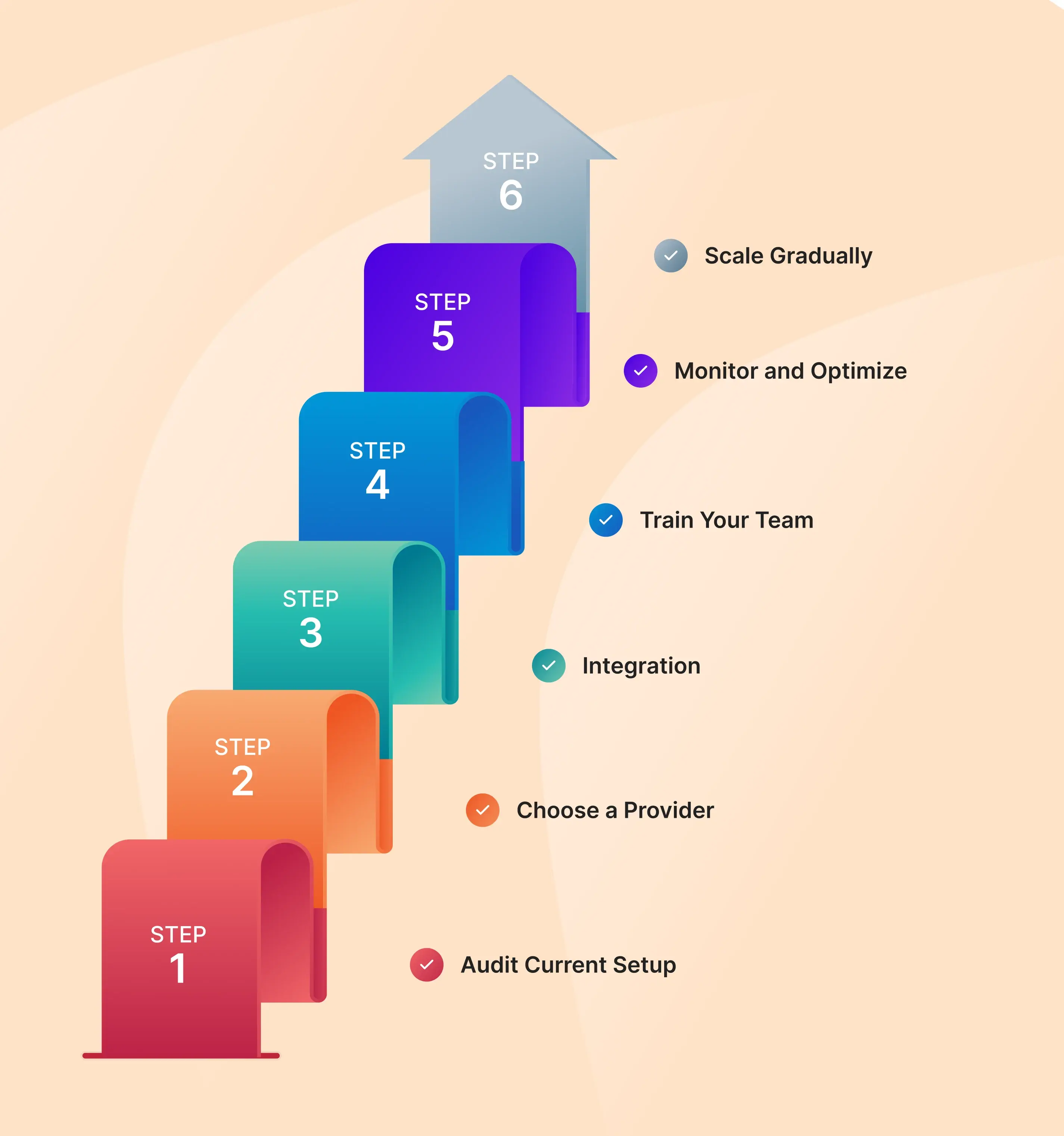
Step 1: Audit Current Setup
List every phone number your drivers use. Map where customer information gets exposed. Understand your current communication flow end-to-end.
Takes 2-3 days.
Step 2: Choose a Provider
Look for API-first platforms with cloud infrastructure. TeleCMI works for delivery specifically. Check for REST APIs, scalable architecture, and India-based support.
Takes 1 week to evaluate.
Step 3: Integration
Most call masking services provide REST APIs that connect to your order management system in hours, not months. Your platform, CRM, and database stay synchronized.
Takes 2-4 weeks with developer support.
Step 4: Train Your Team
Drivers need to understand masked numbers. Support staff needs call log access. Managers need analytics dashboards.
Takes 1 week.
Step 5: Monitor and Optimize
Track call completion rates. Measure customer satisfaction. Check privacy compliance. Adjust settings based on real data.
Ongoing.
Step 6: Scale Gradually
Start with a pilot fleet. Test. Fix issues. Expand to full operation.
Takes 2-4 weeks.
Total timeline: 2-4 weeks to full implementation. ROI shows in month one.
Why Delivery Businesses Choose TeleCMI
TeleCMI builds communication infrastructure for SaaS telecom. They specialize in call masking—the system that replaces real phone numbers with temporary ones while giving you full visibility and control. Here's why delivery platforms pick them:
Secure by default. Every call uses encrypted temporary numbers. Real phone numbers never get exposed. Numbers expire automatically after delivery. No manual cleanup needed.
Easy integration. REST APIs connect to your order management system in hours. Your CRM, customer database, and delivery tracking stay synchronized automatically.
Full visibility. Every call gets logged. Recordings are available (with consent). Real-time dashboards show call volumes, completion rates, and response times. No blind spots.
Deep reporting. Identify communication bottlenecks. Track driver performance. Measure customer satisfaction. Make decisions based on data, not guesses.
Handles scale. 1,000 orders daily or 1 million—infrastructure scales automatically. No hardware upgrades. No downtime. No degradation.
TeleCMI understands Indian delivery operations. Cloud telephony, conversational AI, and customer experience in one system.
The Bottom Line
Delivery communication determines success. Right now, without call masking—a system that replaces real phone numbers with temporary masked ones—your phone numbers are exposed. Your revenue is leaking to direct bookings. Your drivers face harassment. You can't track conversations.
Call masking fixes this. Protects numbers. Keeps communication controlled. Reduces privacy risks. Improves coordination. Builds trust.
Privacy and operational control aren't optional anymore. They're table stakes. Competitors are already using this. Customers expect it. Regulations require it.
The question isn't whether you need call masking. The question is whether you'll implement it before your competitors lock in the market.
Ready to Protect Customer Data and Eliminate Revenue Leakage? Explore TeleCMI Call Masking Solutions

Trusted by 3500+ Businesses Worldwide
Secure Customer & Driver Number Protection
Prevent Revenue Leakage & Direct Bookings
Real-Time Call Tracking & Analytics
Frequently asked questions (FAQ)
Vignesh N

With deep expertise in cloud telecommunications, I help readers explore the latest trends in VoIP and modern business communication. At TeleCMI, I focus on educating businesses with clear, practical insights, making complex telecom concepts easy to understand. I’m passionate about helping organizations improve efficiency, enhance customer engagement, and adopt smarter communication strategies.

.webp)