Why Personal SIM Numbers Fail When Your Business Starts Growing

8 mins read

Posted on Dec 30, 2025

Saravana Kumar
SEO


Saravana Kumar
SEO






Most Indian businesses begin with a small team of six to ten people. One or two employees handle sales and customer support, often using their personal phone numbers to speak with leads and customers.
This setup works briefly. But, when call volume increases and the team expands, personal SIM numbers start creating problems that are easy to overlook and hard to reverse.
No matter how strong the internal work is, if employees call from different personal numbers, then the business comes off as unorganised. Customers feel uncertain about who they are speaking to and which number represents the company.
This blog explains why personal SIM numbers fail as businesses grow and how shifting to professional business numbers restores structure, trust, and control in customer communication.

Key Takeaways
 Personal SIM numbers are fine when a business is small, but they start causing problems as soon as call volume increases.
- Many personal numbers overwhelm the customer and give an appearance of disorganisation in business.
- Without common visibility, teams miss follow-ups; managers can't understand what's really happening on calls.
- Personal numbers are more likely to be flagged as spam, leading to unanswered calls and lost opportunities.
- Routing calls and handling peak volumes become very difficult as teams start growing and none of these are possible without a proper system in place.
- It brings clarity, consistency, and control to your daily communication with a business calling system.
- Making the switch early helps avoid lost leads and keeps customer trust intact as the business grows.
Why Businesses Use Personal SIM Numbers Initially
In the early stages of a business, personal SIM numbers are a straightforward choice. There is no need to buy a new SIM, manage extra devices, set up a separate business line, or a business phone system. All they can do is use their phone and start making calls and building conversations. This approach makes employees feel more reachable, closer to customers, and more responsive. But this is efficient during the initial phase; the problems emerge only after call volume and team size increase.
The Risks of Using Personal SIM Numbers in Growing Businesses
Personal numbers are designed for individual use, not for business communication. It seems easy to approach, but as the business grows, it leads to misunderstandings, a lack of transparency, and spoils the reputation. Here’s a list of problems businesses face when using personal SIMs.
Problem 1: No Visibility on Calls
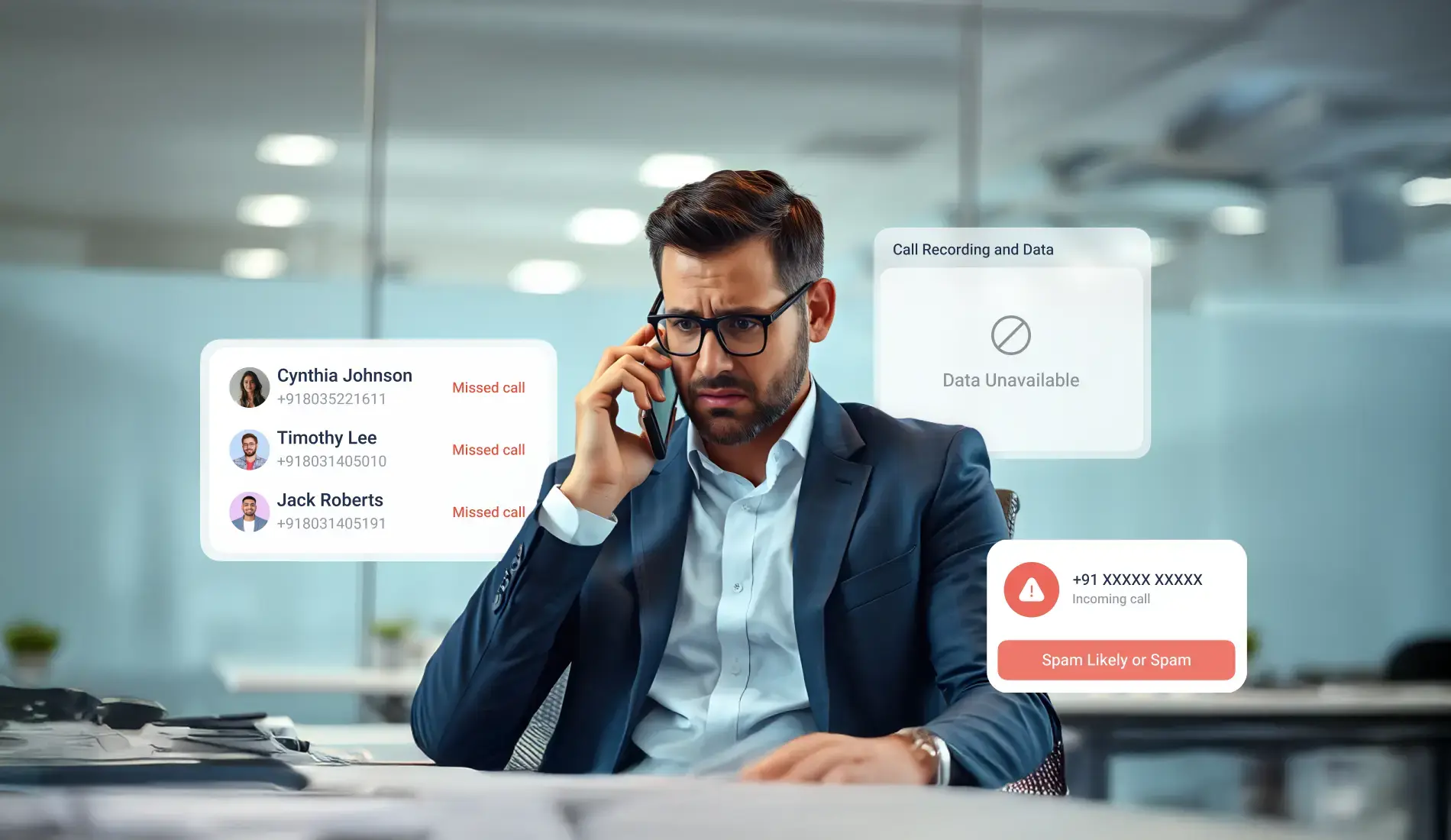
If employees make calls from personal numbers to interact with customers or potential customers, the call does not share a common record. Details such as the recipient of the call, the topics that may be discussed, the duration, and call-back agreements, among others, are device-dependent until documented. As a result, managers lose visibility into customer interactions. Performance becomes harder to measure, follow-ups are inconsistent, and service quality varies without oversight.
Problem 2: No Shared Business Number
When each employee calls the customers from a personal number, the identity of the business gets lost. From the customer's point of view, the experience appears quite unclear. Calls from an unfamiliar mobile number raise doubts about whether they are genuine or even safe to answer. Without a shared business number, the brand appears unprofessional and fragmented. According to TRAI, businesses that use personal numbers are considered spam, and they might deactivate them based on customer responses.

According to TRAI, businesses that use personal numbers are considered spam, and they might deactivate them based on customer responses.
Problem 3: High Risk of Spam Classification
Personal SIM numbers are not intended to be used for repeated calls to one’s business. As the number of outgoing calls from various staff increases, spam detection algorithms begin to mark these numbers as Spam calls. “Spam Likely” notifications will begin to appear on customer phones, and potential customers will not even bother to respond to follow-up calls. Gradually, response rates will decline, sales calls will decrease, and the reputation associated with the contact number will be hard to recover, especially when associated complaints bring it under TRAI norms.

Note: Under TRAI norms, businesses must use a 160-number series for transactional purposes and a 140-number series for promotional messages and calls.
Problem 4: Lack of Call Distribution
When employees use their personal numbers, there is nowhere for the call to go if the person they're calling is busy or away. This causes customers to wait, missimportant calls, and miss out on opportunities. When there are more employees, there has to be a way for sales, support, or billing calls to be forwarded to the appropriate employee, but with personal numbers, this becomes impossible.
Problem 5: Limited Capacity at Scale
Personal SIMs are okay for occasional calls, but they cannot handle busy periods, peak hours, or simultaneous inquiries. There is no IVR system or waiting lines, and calls are not answered. There is an overflow facility also. The personal number system leads to missed sales during peak business hours and to the loss of potential customers to rivals.
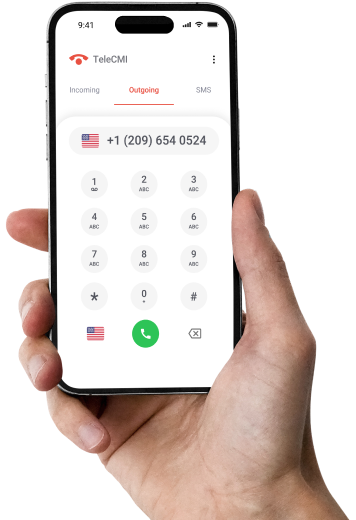
Call Issues Growing With Your Business? Fix Them With a Business Phone System
Start 14 Days Free TrialProblem 6: Absence of Call Reporting
When an agent uses their own numbers, all phone call activity is stored solely on their individual phones. There is no available data on the number of calls that came in, the percentage that were answered, who answered each call, or which leads went unresolved. Without this information, they simply cannot.
Why Growing Businesses Need a Dedicated Call System
The issues caused by personal SIM numbers are not permanent. They point to a simple shift that growing businesses eventually need to make. Moving to a dedicated business calling system replaces individual numbers with a shared, structured way to manage customer calls.
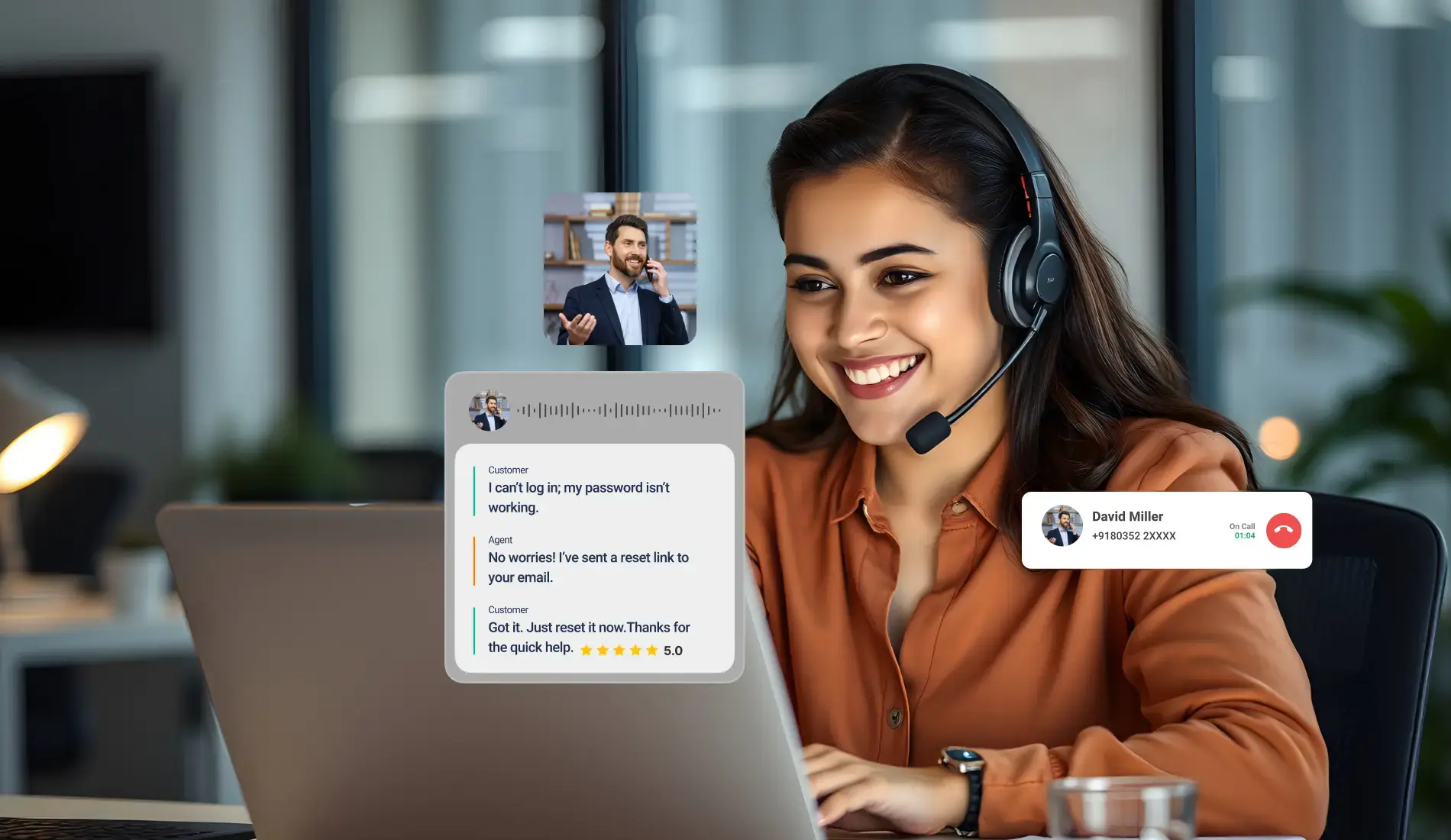
#1 Professional Brand Identity
A CRM number can help customers identify your company in an unmistakable way. This eliminates any confusion and makes each and every call official.
- Customers see the same number across sales, support, and follow-ups.
- Marketing campaigns promote one official contact point.
- Corporate call ownership remains with the business itself.
#2 Zero Missed Calls
Calls are not dependent on a single person’s phone or availability. The system ensures enquiries are captured even during busy periods.
- Calls ring multiple agents instead of one device.
- Unanswered calls can be queued or redirected.
- Enquiries are handled even when staff are on leave.
#3 Complete Call Tracking
All activities during the call are recorded, eliminating the need to manually update or make personal comments.
- Inbound and outbound calls are logged centrally
- Missed calls and callbacks are visible to the team
- Call history is linked to leads and customers
#4 Team Accountability
Shared visibility makes responsibility clear and measurable across the team. This creates a fair system where performance is based on real activity, not assumptions, and employees know their work is measurable.
- Managers can see who handled which calls
- Follow-ups are tracked instead of assumed
- Performance reviews are based on actual call data
#5 High Answer Rate
Calls reach the right people faster, reducing drop-offs and repeated attempts, thereby improving sales and customer satisfaction.
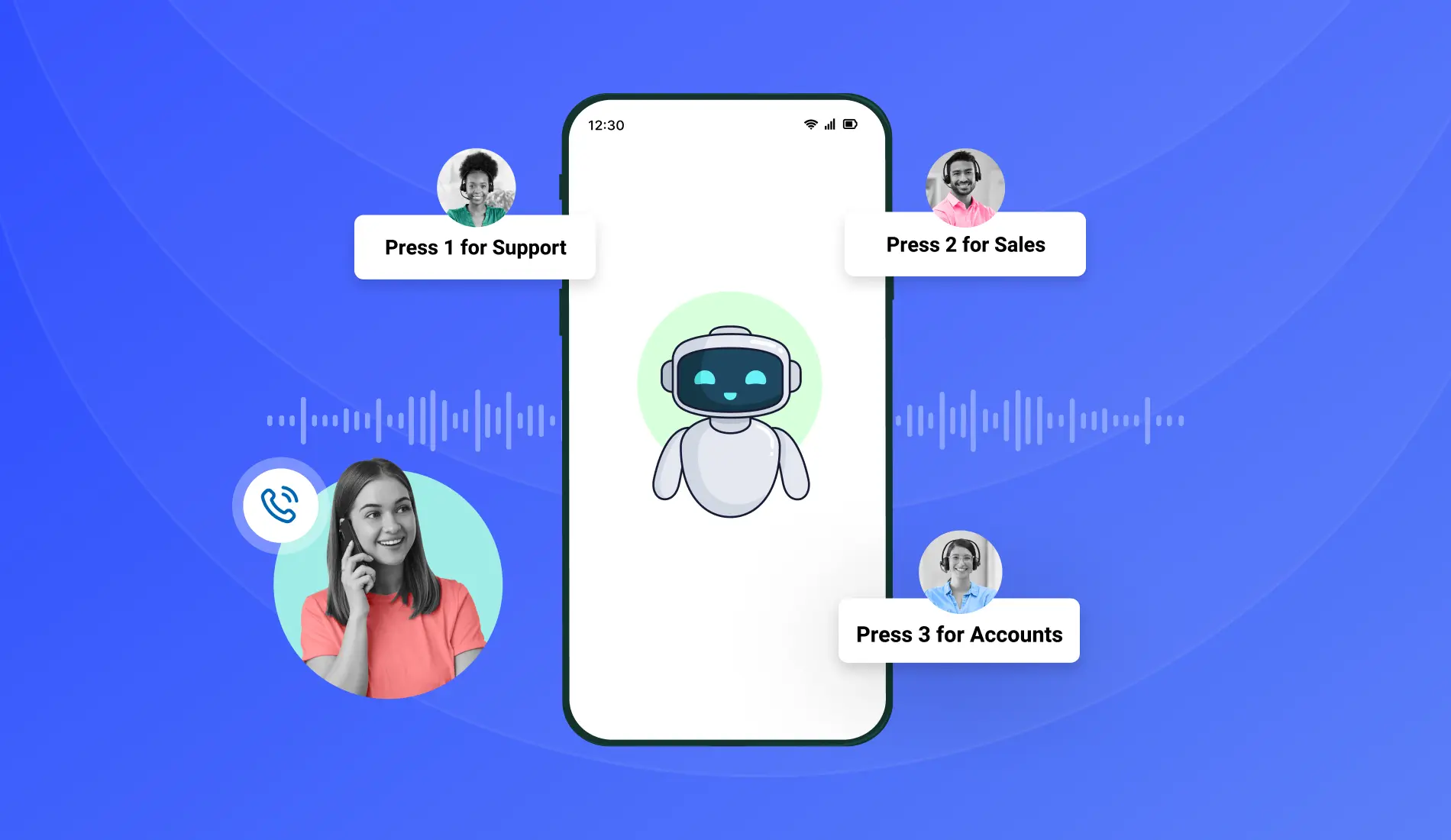
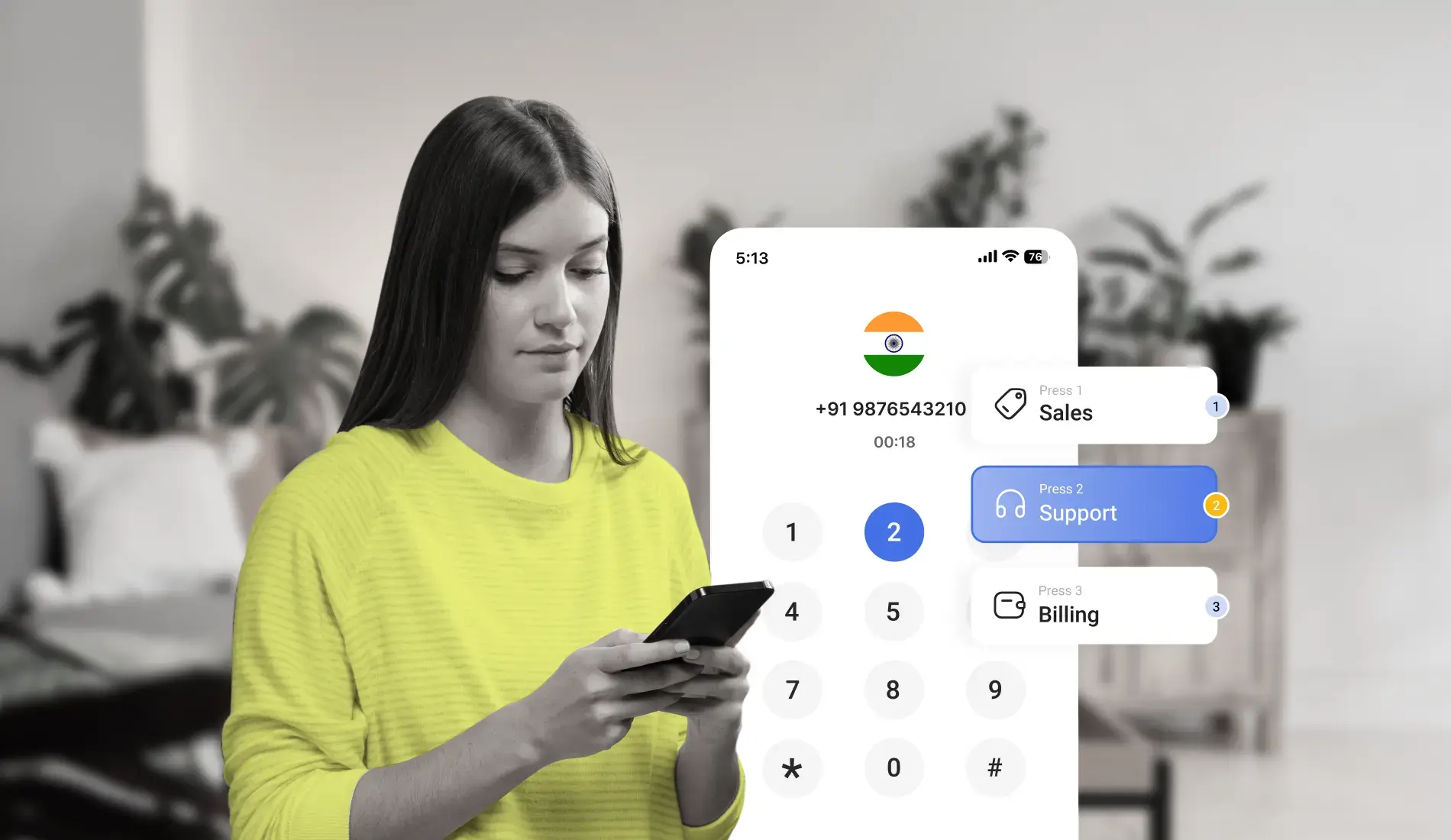
- IVR system directs callers to the correct team
- Calls ring available agents, not busy ones
- Fewer customers abandon calls due to delays
#6 Better Customer Experience
Customers experience strong and predictable communication at every point. Calls seem smoother and more reliable, which influences their overall business impression.
- Calls are answered quickly and connected correctly.
- Customers do not repeat the same information.
- Experiences seem systematic and predictable.
#7 Business Continuity When Employees Change
Customer communications remain with the business, not the individuals. It prevents customers from leaving even when team members leave or roles change.
- The business number remains operational even when staff changes occur.
- The call records remain in the company.
- New staff should take over without affecting the customers.
Quick Checklist: When It’s Time to Switch
It is time to move away from personal SIM numbers if any of the following apply:
- You have more than two people handling customer calls
- Customers are calling your team directly for sales or support
- Calls are being missed during busy hours or after work hours
- Your numbers appear as spam, or customers stop answering
- You need visibility into call activity and follow-ups
- Your team or call volume is increasing
- Customers ask which number they should save or call
If you recognise even a few of these signs, personal SIM numbers are already limiting your growth.
Conclusion
Personal SIM numbers are not a mistake. They are a starting point. For small teams and low call volumes, they offer speed and convenience. As teams expand and customer interactions increase, what once felt flexible turns fragile. Calls slip through, customers get confused, and accountability weakens.
A dedicated business calling system brings order to everyday communication. It gives customers one clear number to trust, helps teams handle calls smoothly, and keeps conversations within the business even as people and roles change.
Growth becomes easier when communication is structured. Moving away from personal SIM numbers is not about adding complexity. It is about removing confusion before it starts.
A dedicated business phone system supports sustainable growth

One number
Call tracking
Clear ownership
Professional identity
Frequently asked questions (FAQ)
Saravana Kumar

I’m passionate about exploring and sharing insights on modern cloud communication technologies. At TeleCMI, I focus on helping readers understand the evolving world of cloud telephony and IVR solutions in a simple yet in-depth way. My goal is to deliver genuine value by turning complex telecom concepts into clear, actionable knowledge that builds trust and drives innovation.