How Cloud Phone Systems Support Hybrid Work in 2026

11 mins read

Posted on Jun 18, 2026
.webp)

Saravana Kumar
SEO


Saravana Kumar
SEO






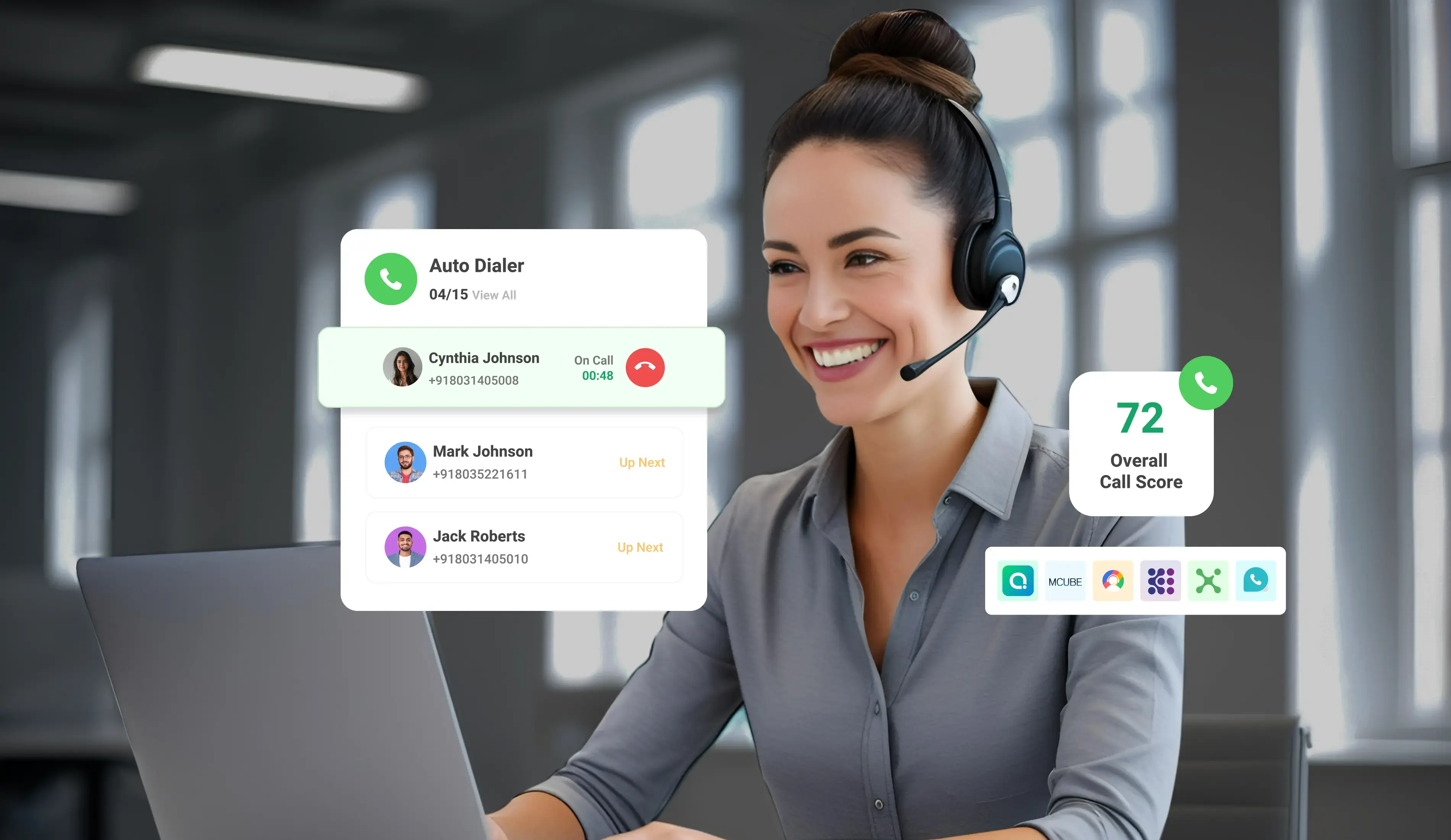
Picture this: half your sales team is in the office. Three account managers are working from home in different cities. Your support lead is at a client site. All of them are expected to be reachable on the company number immediately without missing a beat.
That is not a future scenario. That is hybrid working in 2026, and it is standard practice. Based on recent statistics on the modern workforce, more than 60 percent of knowledge workers operate under a hybrid work model that combines elements of office, remote, and mobile work.
But above all, the expectations remain the same: availability, responsiveness, and professionalism. Most organizations still rely on traditional phone systems designed for desk-based use. This led modern businesses to adopt cloud-based phone systems that connect teams and clients across different locations from any device.
This guide is written for business owners, IT managers, and team leads who manage distributed or hybrid teams and want to understand how a cloud phone system addresses the communication gaps that come with them. We will cover why traditional systems fail, what cloud calling actually looks like for hybrid teams, and what to look for when choosing one.

Key Takeaways
 Conventional phone solutions lack flexibility to serve remote workers since they require an office-based environment.
- Modern cloud phones let workers conduct business calls from anywhere using any device.
- Features such as presence, call handling, CRM system integration, and mobile applications increase productivity among hybrid teams.
- Security measures are built in, helping to ensure safety in business communications and customer information beyond the physical office space.
- A properly configured cloud phone system gives businesses the flexibility to scale and support long-term hybrid work.
Why Traditional Phone Systems Fail Hybrid Teams
Companies that have been relying on their existing on-site PBX or outdated hosted telephone solution have based everything on one underlying premise. It has been proven to be flawed in recent years, but that does not stop them from experiencing frustrations.

According to a new survey by my company, Vida, 42% of SMBs estimate they lose at least $500 every month to missed calls.
Problem 1: Desk Phones
A traditional phone system connects each individual phone line with a desk phone. Remote workers will not be reachable by their office phones. The calls go unanswered, and employees need to respond via their personal cellphones. It results in inconsistent treatment for clients.
Problem 2: No Visibility Across the Team
Managers cannot see if team members are available or are in the middle of something else. There is no way to track whether employees are busy, unavailable, or on the phone.
Problem 3: Inefficient Call Routing
Traditional phone systems were made for workers based at the same physical location. In a hybrid setting, calls will just be redirected to voicemail or bounce from extension to extension, since calls aren't intelligently routed between locations or available team members.
Problem 4: Loss of Call Data and Compliance
If your employees make their business calls from personal phones, you will not have any access to call data, CRM information, customer information, and compliance information, which could be difficult to track.
What Is a Cloud Phone System and How Does It Work for Hybrid Teams?
Unlike legacy phone systems that use physical lines, a cloud phone system routes business calls over the internet. It is not dependent on a location like traditional phone lines, meaning that staff members can receive calls:
- Office desk phones
- Laptops
- Mobile applications
- Tablets
- Softphones
From the customer's perspective, nothing changes. The person calls the same corporate number and gets the same professional experience, be it headquarters, a remote location, or even travel.
Behind the scenes, all communications are managed through a centralized platform. The administrator sets up his/her account, extensions, recordings, routing algorithms, and statistics in one place. A centralized approach provides much more flexibility to companies compared to the traditional approach. No need to deal with any hardware in each office; just use your software to communicate!
For hybrid teams, that difference changes everything.
6 Ways Cloud Phone Systems Specifically Support Hybrid Work
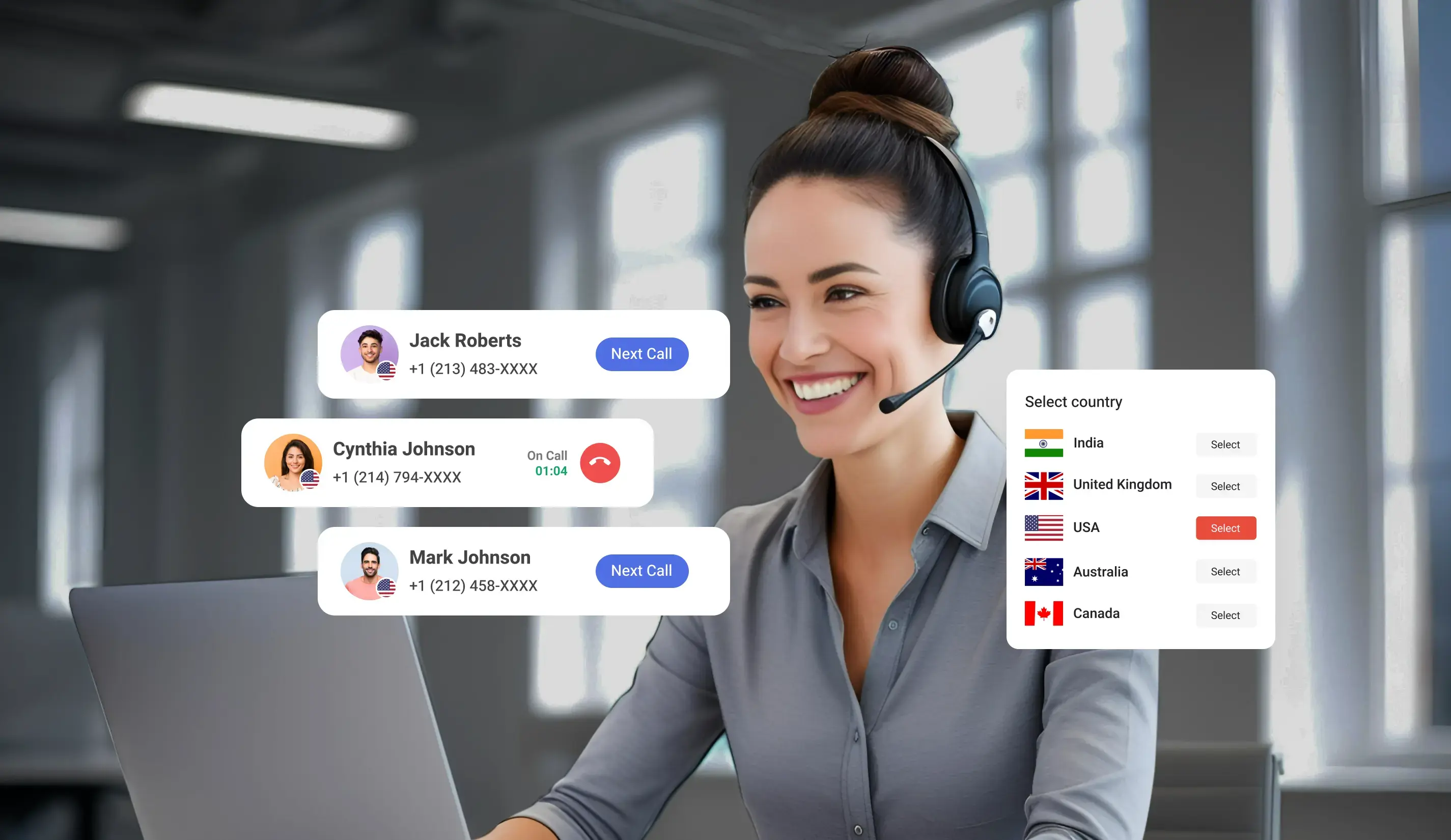
1. Single Number, Multiple Devices: Every employee has one business number, and that number rings simultaneously on every device they use: their office desk phone, their laptop softphone when they’re working remotely, and the mobile app on their phone when they’re traveling. This eliminates one of the most common gaps in hybrid communication: employees giving out personal mobile numbers because their work extension is desk-bound. With a cloud phone system, the work number follows the person, not the location. Also, when attorneys split time between the office, court, and remote work, having calls follow the right person rather than a desk phone keeps communication for legal clients consistent no matter where the team is working from.
2. Presence and Availability Visibility: Real-time presence is perhaps one of the most valuable features for hybrid teams' managers. An indication of availability is displayed for each member of the team in terms of his/her availability, busyness in a conversation, absence from the office, or simply offline status, based on live data related to the activity of that person's mobile phone. Consequently, there will be no need for the manager to send any verification requests or dial an internal number.
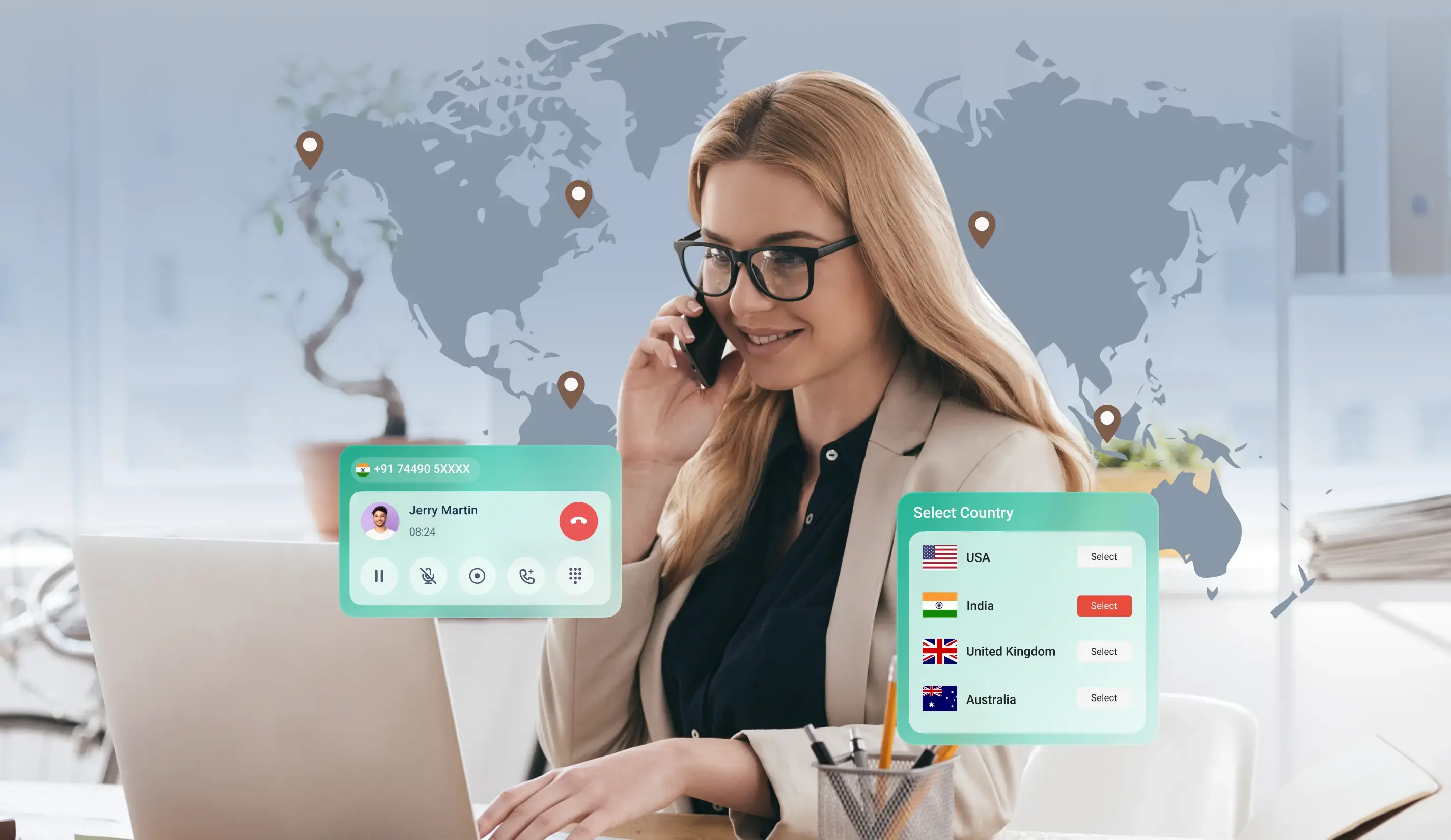
3. Smart Call Routing Across Locations: The key concept of routing calls in cloud solutions is availability and rules rather than the physical location of employees. Calls may be routed based on time zones, which allows you to route after-hours calls from one location to a team at another. For businesses with a mix of office and remote agents, this means no missed calls, no dead ends, and no customer sitting on hold while someone figures out who is available.
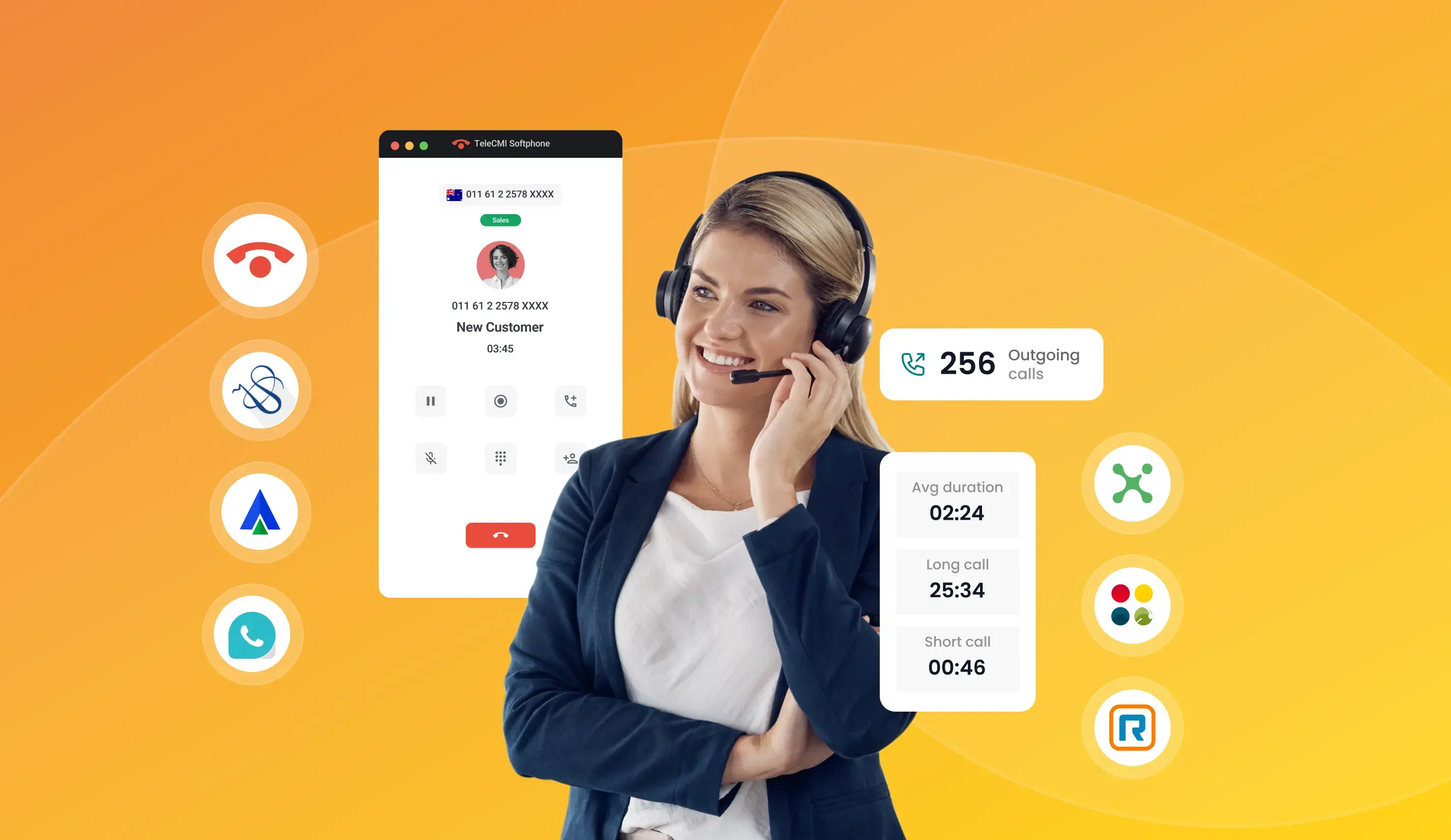
4. Call Recording and CRM Sync from Anywhere: With conventional phones, a call must be placed via the company’s landline phone network to record it. Once you make a call outside your office using your cell phone, none of this becomes possible, as neither the recording nor the customer data will be created. In cloud telephony, each call can be logged, recorded, and synced with the customer’s account automatically irrespective of how or where you made the call.
5. Virtual Meeting Rooms and Conference Calling: Cloud-based systems make it easy to conduct multi-party calls since there is no need to rely on another software solution. Any agent within the team can invite another party to the ongoing conversation within seconds. This is particularly beneficial in situations where hybrid agents need to collaborate with others from various locations to help a particular customer.
6. Mobile App with Full Business Functionality: Probably the most crucial one for remote workers. The best cloud phone system mobile app will offer more than just the basics of the desk phone – it provides everything. Transfer calls, put people on hold, make conference calls, connect to IVR systems, check voicemails, view call logs, and monitor status, all from your own mobile device.
Ready to Support Your Hybrid Team?
Improve collaboration. Reduce missed calls. Simplify communication
The Security Side: Keeping Business Calls Safe Outside the Office
According to IBM’s Cost of a Data Breach Report, the average cost of a data breach has risen significantly year over year, with remote work environments remaining a contributing risk factor. Such companies are especially vulnerable if they use personal devices or networks.
- End-to-End Encryption: Calls are kept secure by encryption when employees make calls through their private networks or WiFi, regardless of their location.
- Role-Based Access Control: Employees can only access the information necessary to carry out their job function.
- Business Call Recording Policy: The recording policy works regardless of device; all company calls are recorded.
- Number Masking: Customers will always see the business's phone number, not an individual number, which helps maintain privacy.
How to Set Up a Cloud Phone System for a Hybrid Team
.webp)
Step 1: Choose a Hybrid-Friendly Provider
Select providers who provide a wide range of calling options from an application for mobile phones and desktops to regular desk phones. Employees must have similar access to features on all three channels.
Step 2: Configure Call Routing Rules
Set up routing for office hours, after-hours, and overflow scenarios. This ensures calls always reach an available team member, regardless of location.
Step 3: Set Up Your IVR
Ensure that your IVR system is configured to direct callers based on department and not based on their physical office location.
Step 4: Integrate With Your CRM
The cloud telephony system needs to be integrated with your CRM system so that all the data about calls and customers is captured and recorded accurately.
Step 5: Onboard Employees Through the Mobile App
Remote employees can get started quickly using the mobile app, without requiring desk phones or complex installations. Platforms like TeleCMI support same-day setup for distributed teams.
What to Look for in a Cloud Phone System for Hybrid Work
Not every cloud platform delivers the same experience. When evaluating providers, begin with the mobile application. Some vendors offer limited apps with only basic calling features. Others provide full business functionality that mirrors the experience of a desk phone.
- Simultaneous ringing capabilities are equally important. Employees should never be restricted to one device. Calls should follow users wherever they work.
- Presence indicators and availability visibility should also be part of the platform. These features help teams collaborate more efficiently and reduce delays.
- CRM integration deserves close attention. Businesses relying on Salesforce, HubSpot, Zoho, or other customer platforms need automatic synchronization to maintain accurate records.
- Reliability matters too. Hybrid employees often work from home networks that vary in quality. Providers should optimize performance to maintain call quality across different internet conditions.
- Scalability should not be overlooked. Teams grow and change constantly. Adding or removing users should be straightforward without requiring hardware purchases or lengthy provisioning cycles.
For companies committed to the adoption of hybrid work for an extended period, TeleCMI is one example of a platform offering mobility, management features, CRM integrations, and user scalability.
Conclusion
Hybrid work is no longer a temporary trend. It has become the standard way many businesses operate in 2026. To enable their workforce to work from anywhere, companies will require communication solutions that can cater to their flexible needs.
A cloud phone system provides that foundation. They ensure that everyone remains connected while working from anywhere without compromising on security and productivity. For companies adopting a hybrid work approach, cloud calling is more than an innovation in technology; it is the communication backbone of their operations.
Experience Seamless Communication Anywhere
Deliver better customer experiences and support distributed teams with Cloud Telephony.
Frequently asked questions (FAQ)
Saravana Kumar

I’m passionate about exploring and sharing insights on modern cloud communication technologies. At TeleCMI, I focus on helping readers understand the evolving world of cloud telephony and IVR solutions in a simple yet in-depth way. My goal is to deliver genuine value by turning complex telecom concepts into clear, actionable knowledge that builds trust and drives innovation.