IVR vs IVA: Which Solution Fits Your Business Needs?

8 mins read

Posted on May 15, 2025

Saravana Kumar
SEO


Saravana Kumar
SEO





Today, businesses are constantly seeking innovative ways to simplify operations while providing exceptional customer experiences. Customers increasingly expect quick responses to their inquiries; in fact, studies show that 95% of customers want immediate answers to their questions. Fortunately, some Cloud telephony features have significantly improved both response times and the quality of customer interactions.
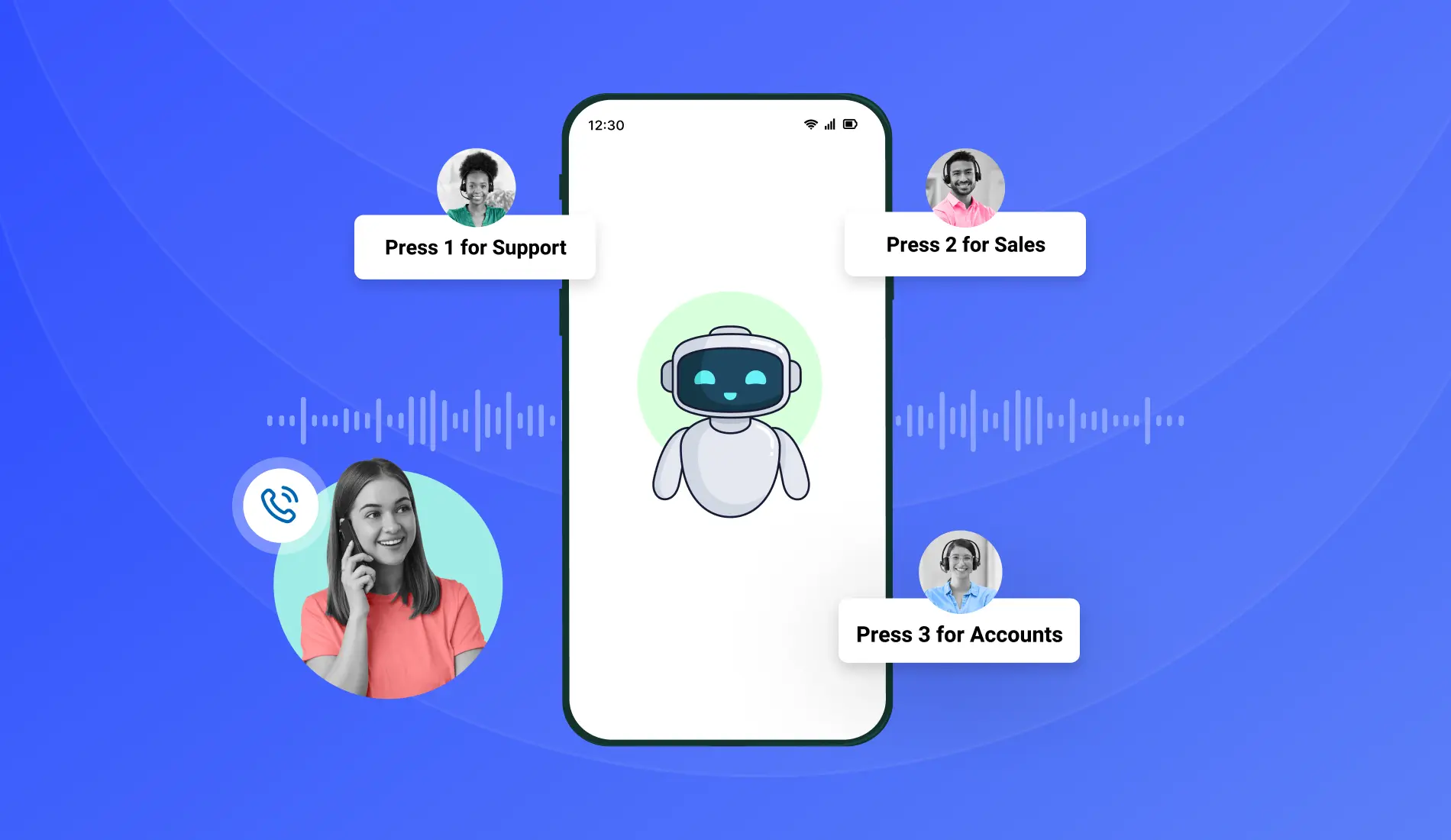
Automated solutions such as IVR (Interactive Voice Response) and IVA (Intelligent Virtual Assistants) have transformed customer interactions. Both systems are designed to enhance customer service by reducing call handling time. Depending on your business needs, you might find it beneficial to implement one or both of these solutions to achieve greater efficiency & automation in customer service.
So, let us dig deeper into their differences, compare the features, and understand which solution will align better with the future of customer service.
IVR: The Traditional Call Automation System
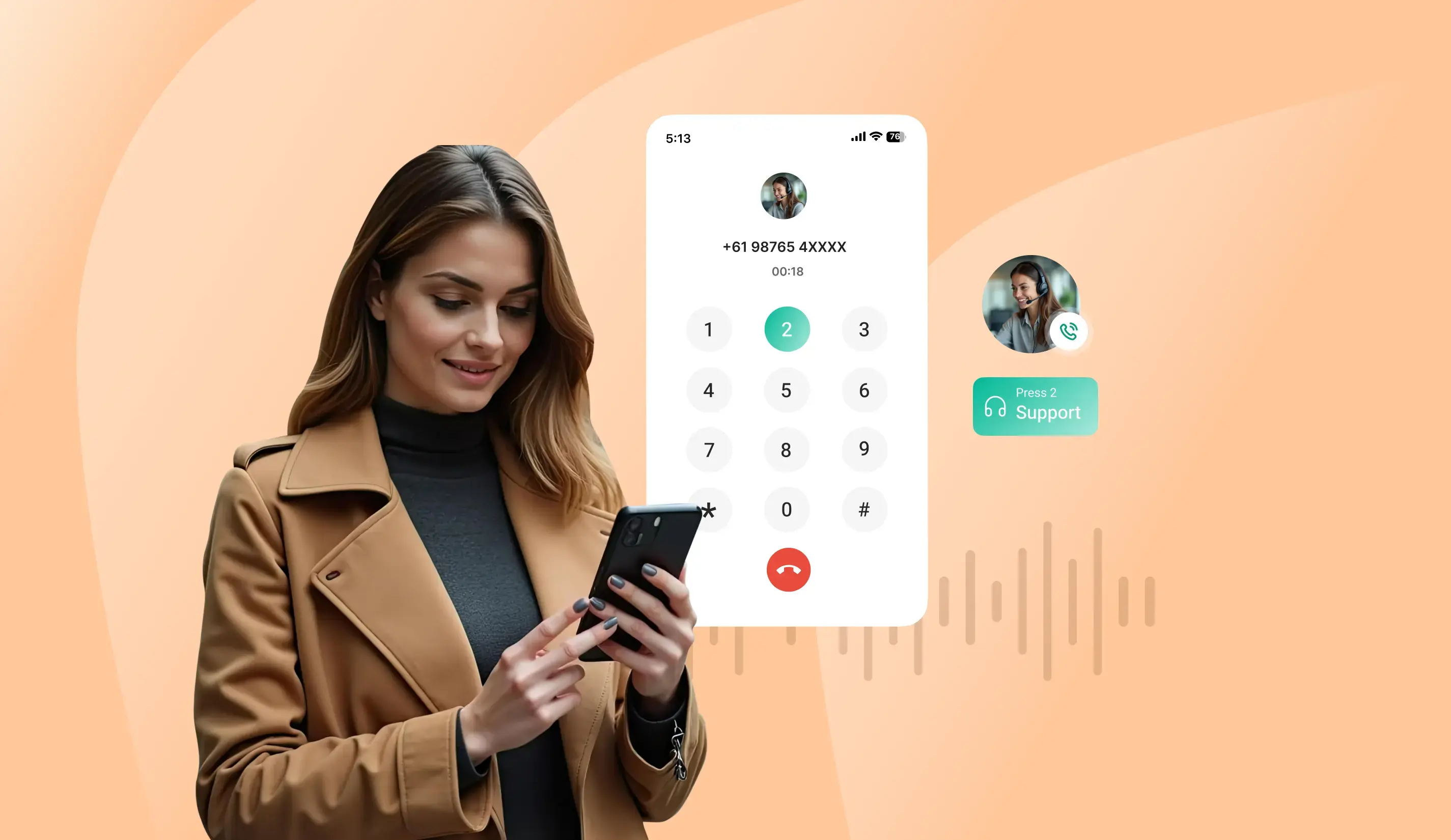
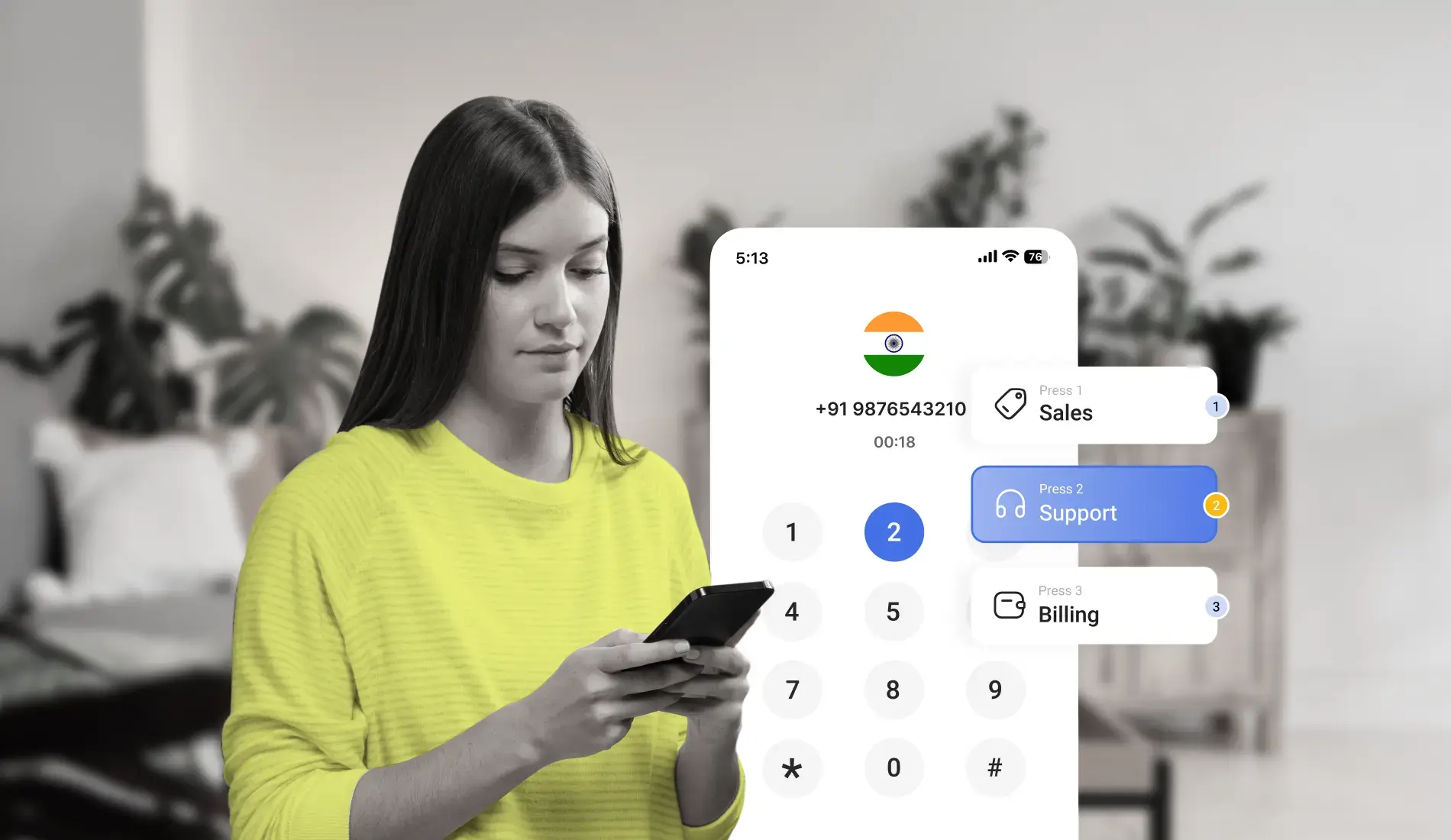
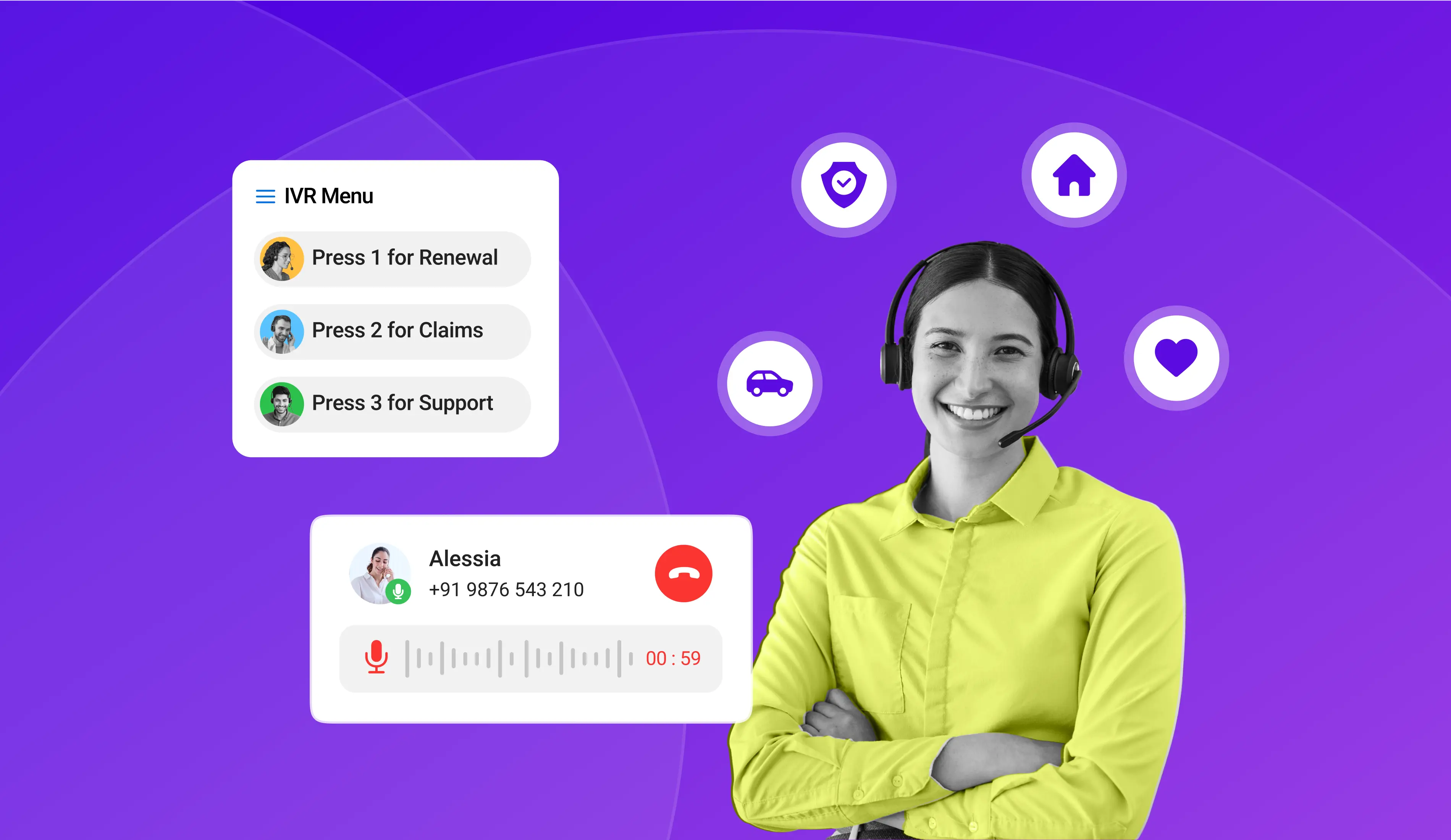
IVR software is an automated telephony system that enables callers to interact with your phone system by the pre-recorded voice prompts and keypad inputs. This system has been constant in the contact centers for decades. By automating appointment scheduling, call routing, and providing basic information, IVRs help significantly reduce the administrative workload for businesses.
Key Benefits:
- Cost-Effective: IVR service reduces the need for live agents, cutting operational costs while maintaining service consistency.
- Streamlined Call Routing: Directs callers to the right department quickly, improving efficiency and reducing wait times.
- 24/7 Availability: Ensures uninterrupted customer access to essential services at any time of day.
- Efficient for Repetitive Tasks: Handles high-volume, routine queries like FAQs and transactions, freeing agents for complex issues.
Limitations:
- Limited to Predefined Options: Can only respond to fixed menus, restricting flexibility in handling diverse customer queries.
- Low Customer Satisfaction with Complex Menus: Deep call trees frustrate users, leading to increased call drop rates & poor engagement.
- Lacks Personalization: Provides the same static responses to all users, neglecting individual needs or context.
- No Understanding of User Intent: Failing to analyze natural language or caller intent leads to ineffective interactions.
IVA: The AI-Powered Alternative
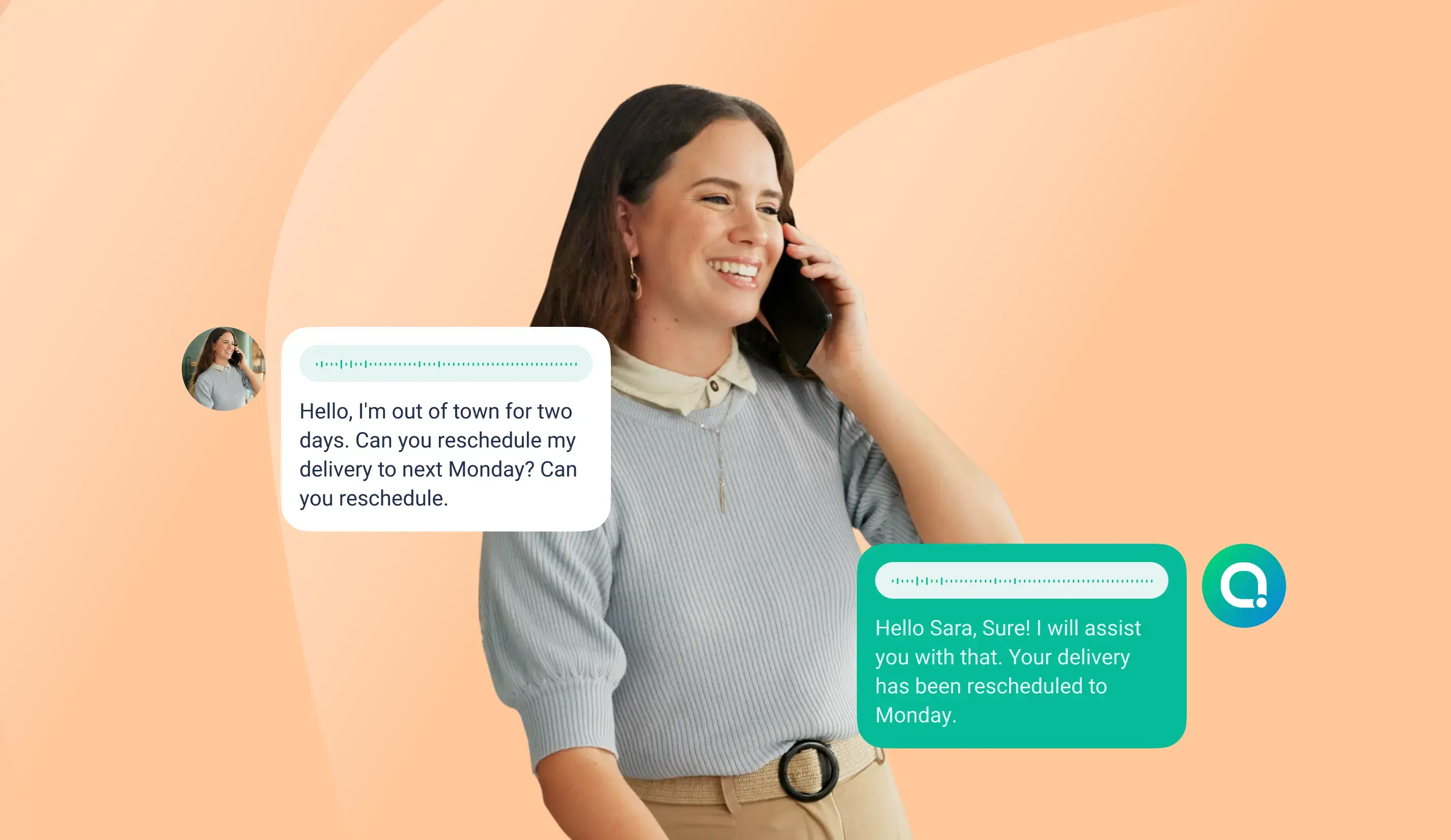
Intelligent Virtual Assistant (IVA) is an AI-powered system that can engage with your customers in a more humanized way. Since it is powered by AI IVR and NLP (Natural Language Processing), IVAs can quickly understand the language or intent, maintain dynamic conversations, and solve complex queries in real-time.
IVAs are helping modern businesses solve common industry pain points such as inconsistent customer service, long wait times, and agent overload! Easy Zoho CRM telephony integration allows highly personalized and efficient interactions, improving customer satisfaction and operational efficiency.
Key Benefits:
- Understands Multiple Languages Across Channels: Capable of comprehending and responding in various languages while communicating seamlessly across voice, chat, and digital platforms.
- Interprets Meaning Beyond Words: Uses NLP and AI to grasp not just the literal message but also the context and emotion behind it.
- Delivers Context-Aware, Intent-Driven Responses: Analyzes user intent & sentiment in real-time to provide highly relevant, helpful, and personalized solutions.
- Adapts Easily Across Business Functions: Scales effortlessly for diverse use cases including customer support, lead qualification, appointment scheduling, and sales enablement.
Use Cases:
- AI-Powered Virtual Agents in Contact Centers: Handle high call volumes, resolve queries instantly, and reduce wait times without human intervention.
- Self-Service Solutions Across Key Industries: Empower customers in BFSI, healthcare, e-commerce, real estate, and hospitality to complete tasks independently, like accessing policy details, checking appointments, or tracking orders.
- Intelligent Scheduling & Booking Assistants: Automate time-consuming tasks like booking appointments, reserving tickets, and sending reminders, enhancing efficiency and user experience.
Quick Comparison: IVA vs IVR
Choosing between an Interactive Voice Response (IVR) system and an Intelligent Virtual Assistant (IVA) depends on your business goals, customer expectations, and communication requirements.
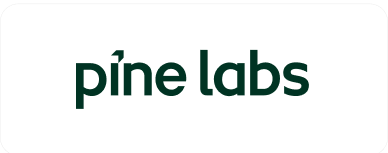
If your organization needs structured call routing, menu-based navigation, and cost-effective automation, a traditional IVR system may be sufficient.
However, if you want customers to interact naturally using voice, receive personalized responses, and resolve complex queries without agent intervention, an AI-powered IVA provides a more conversational customer experience.
This guide compares IVA and IVR across features, customer experience, implementation, scalability, and business use cases to help you choose the right solution.
IVA vs IVR: Feature-by-Feature Breakdown
When to use IVR?
IVR (Interactive Voice Response) system works best if you are just exploring ways to optimize ivr call routing with agent workloads. They can help you answer general support queries and get an effective call transfer according to customer requirements. IVR systems also enable businesses to manage high call volumes without hiring new agents.
When Should Businesses Choose an IVA?
IVA (Intelligent Virtual Assist) helps automate responses to frequently asked customer queries. It can also respond to customers after the standard working hours. If you want to offer 24/7 customer service, secure customer trust, and not miss any sort of business opportunities, then using IVA helps a lot.
IVAs enable businesses to manage several customer inquiries at a time. This trims down the staffing costs.
Though IVA and IVR come with different abilities, the best deal for any business would be to use both the IVA and IVR.
When Is IVR the Better Choice?
Despite the growing adoption of AI-powered customer service, traditional IVR systems continue to play an important role for many organizations.
Businesses with predictable call flows, limited support requirements, or budget constraints often benefit from IVR solutions because they are easier to implement, cost-effective, and highly reliable.
Organizations that primarily need intelligent call routing, department selection, business hour announcements, or basic self-service can successfully meet their communication goals using a modern cloud-based IVR platform.
Future of AI in Customer Service
AI is transforming how brands connect and interact with customers. And IVA is at the forefront, allowing businesses to:
- Deliver more personalized and faster support
- Maximize output without increasing headcount
- Improve FCR (First-call resolution) rate
- Get more deeper customer insights via AI analytics
Based on the market trends, adopting IVA is going to grow immensely in the upcoming years, with top IVA companies like TeleCMI leading innovations in AI call center automation.

Why AI-Powered Customer Service Is Growing
According to Salesforce's State of the Connected Customer report, customers increasingly expect companies to understand their needs and provide seamless, personalized experiences across every interaction.
From IVR to IVA: TeleCMI's AI Evolution in Customer Communication
At TeleCMI, we are embracing the future by transitioning from traditional IVR systems to powerful AI-powered IVAs. Our next-gen IVA systems are designed to:
- Understand the customer's intent better
- Allow voice-based intelligent routing
- Provide real-time, personalized experiences
- Offering seamless integration with 170+ CRMs and other business tools.
Whether it is a smart IVA call center or multichannel virtual agents, TeleCMI enables businesses to transform communication and boost engagement like never before.
Conclusion
The debate on IVA vs IVR is not just about the technology or feature comparison, it is more of a strategic decision. While IVR calling system still fulfill the basic needs, IVAs provide the flexibility, AI intelligence, and personalization that most of the modern consumers demand.
And as customer experience has become the key differentiator, investing in AI-powered IVA is not just an upgrade, it is a game-changer. With TeleCMI, you get everything you need to build the ideal customer experience, in one single platform.
Still need help in deciding which can be the right choice for you? TeleCMI's experts are 24/7 available to help you out.
Ready to transform your customer support without complexity?

Natural Conversations
Multichannel Presence
Smarter Call Routing
Frequently asked questions (FAQ)
Saravana Kumar

I’m passionate about exploring and sharing insights on modern cloud communication technologies. At TeleCMI, I focus on helping readers understand the evolving world of cloud telephony and IVR solutions in a simple yet in-depth way. My goal is to deliver genuine value by turning complex telecom concepts into clear, actionable knowledge that builds trust and drives innovation.