Business Cost Breakdown for PBX Phone Systems in 2026

9 mins read

Posted on Jun 02, 2025
.webp)

Saravana Kumar
SEO


Saravana Kumar
SEO





In 2026, every business asks how much I should invest in a PBX phone system.
As businesses scale with distributed teams and demanding customer expectations, communication is no longer just a voice; it becomes a strategic differentiator. Many companies are adopting Private Branch Exchange (PBX) as a key component in their communication system. It allows teams to connect, communicate, and collaborate with each other.
Whether managing a small team or expanding globally, choosing the right PBX can cut costs, save time, and deliver enterprise-grade features that will define how your team can collaborate efficiently and be productive. In this blog, we will explore the cost of PBX phone systems and guide you in selecting the perfect solution for your business.
What is a PBX Phone System?
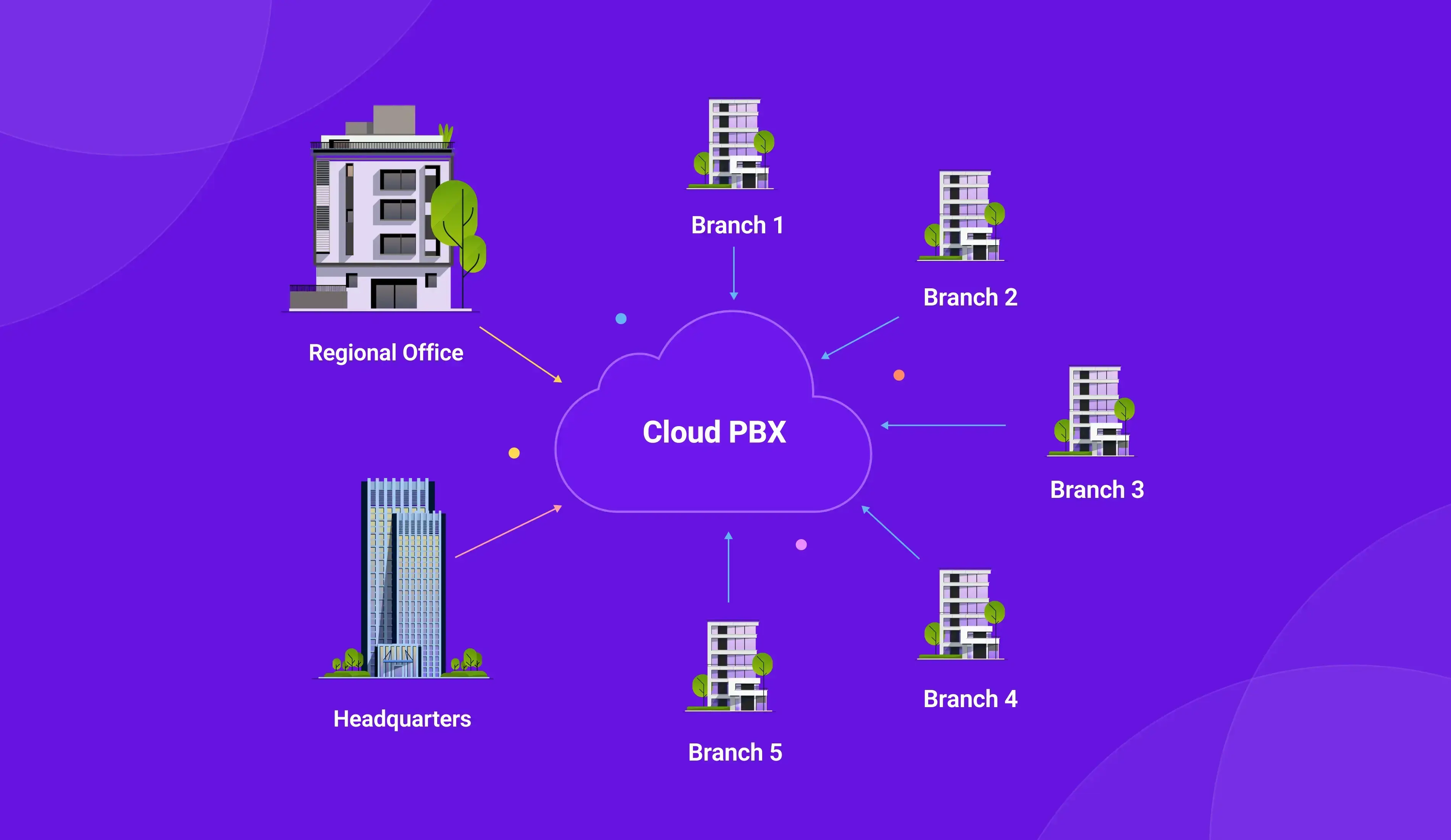
A PBX is a Private Branch Exchange phone is a communication solution that allows teams to communicate within an organization by providing flexibility for internal and external call features. It will enable businesses to communicate worldwide through phone lines or internet-based calling technologies. In short, a Cloud PBX system is a central communication hub for any organization with built-in features like group ringing, intelligent routing, call forwarding, conferencing, and integrations that streamline collaboration and boost productivity.
Types of PBX Phone Systems
Three main Private Branch Exchange system types are widely used in business communication.
1. On-Premises PBX System
It is also known as a traditional PBX, which is physically installed and maintained within the organization's premises. The hardware is installed and connected to internal phone lines and the Public Switched Telephone Network (PSTN). It is ideal for large enterprises with in-house IT teams with complete control, customization, and no recurring license fees. However, the upfront host is high, complex to maintain, and unsuitable for remote teams.
2. Hosted PBX System
A hosted PBX, virtual PBX, or cloud PBX system completely runs over the internet. It is managed by third-party vendors, providing enterprise-grade calling solutions via cloud-based infrastructure and VoIP (Voice over Internet Protocol). With low setup cost, fast deployment, auto updates, high scalability, and remote access, these systems are perfect for startups, SMBs, and businesses ready to scale them.
3. Open Source PBX System
An open-source PBX is a free-to-use software that is publicly available on the web. It allows businesses to create, host, and customize communication infrastructure without relying on paid software licenses or proprietary platforms. Companies can download open-source software like Asterisk, FreePBX, or 3CX (Open edition) from the internet and install it on a local server or in the cloud. It can connect internal users like phones, softphones, and external networks such as VoIP and PSTN with the help of IT professionals.

Did you Know?
Total PBX market valuation in 2026: USD 44.26 billion globally, with strong growth expected through 2035 (CAGR ~10.9%) -Future market insights
Factors Affecting PBX System Costs in 2026
The setup fees or monthly subscription don't just define the cost of PBX; other factors impact the total cost of ownership (TCO). Critical aspects drive the overall pricing, whether you choose a cloud or on-premise solution.
Here's a breakdown of what truly impacts PBX system costs:
- Business Size: The PBX cost is directly proportional to the number of users or the extensions a business requires for smooth communication.
- Features & Functionality: Advanced tools like AI-powered techniques, smart IVRs, call analytics, Zoho telephony integration, and call management solution increase subscription or development costs.
- Geographic Location: International call flexibility, regional compliance, and local number support require additional costs for investment.
- Installation & Setup: Based on the type of PBX, hardware cost, license cost, networking cost, wiring cost, and configurations, adding upfront costs.
- Security & Compliance: Businesses in regulated industries and locations may pay more for encryption, a privacy license, audit logs, and certifications.
- Scalability: Growing teams or expanding locations always require additional users, regional infrastructure, and server upgrades, which cost more.
- IT Maintenance & Support: The cloud system covers the maintenance, upgrades, and support amount in the subscription fees, whereas the traditional and open-sourced PBX requires engineer and technical resource expenses.
Cost Comparison: On-Premise vs. Cloud vs. Open-Source PBX (2026)
Comparing and reviewing the cost of these three Private Branch Exchange systems is essential to choosing the right PBX solution for your business based on the budget, business size, and goals.
Which PBX System is Right for Your Business?
Choosing the right PBX system for your business depends on team size, IT resources, budget, and long-term goals. Here's how you can decide the perfect one for your business based on the operational needs.
Choose On-Premise PBX if your business:
- Have a dedicated in-house IT team to manage hardware and updates.
- Need to have complete control over infrastructure and data security.
- Planning to use the exact location and infrastructure for the long term.
- Ready to invest a high upfront cost and reduce the monthly costs later.
Choose Cloud PBX if your business:
- Needs minimal setup and low maintenance
- Have remote or distributed teams across locations.
- Flexibility to scale users up or down as your business evolves.
- Prefer predictable monthly expenses with ongoing support.
Choose Open-Source PBX if your business:
- Have strong internal technical expertise or access to affordable IT teams.
- Full customization on your communication system without recurring software license costs.
- Comfortable with hosting and managing your platform.
- Need an affordable software that can be tailored over time.
Is It Worth Investing in a PBX System for Your Business?
-1.webp)
Investing in a PBX system is necessary for modern business communication in 2026. Whether running a small team or scaling globally, a PBX system provides consistent, efficient, and professional communication that directly enhances employee experience, team collaboration, and overall business performance.
- AI-Powered Techniques: Deliver intelligent responses, automate repetitive tasks, and focus on data-driven decisions with integrated AI tools.
- VoIP Intercom System: Allows direct internal communication between teams or departments, facilitating real and quick communication over the internal network.
- Centralized Call Management: Reduce hold times, manage high volumes, and use a smart routing technique, ensuring all calls reach the right team or agents.
- Call Transfer: Easy to transfer calls between teams, agents, and offices without disruptions, minimizing missed or misrouted calls.
- Multi-location connectivity: A PBX system can connect from anywhere, anytime with any device, eliminating the need for siloed systems or local providers.
- Ring Groups: Simultaneous ringing of multiple team members when a call comes to a department line to enhance team collaboration.
- Reporting & analytics: Gain real-time reports on agent performance, call volume, and audit logs to make data-driven decisions.
How Does TeleCMI Help Businesses Set Up PBX Systems?
TeleCMI simplifies the entire process with a cloud-first, AI-driven approach designed for modern and growing businesses. Here's how TeleCMI stands out:
- Instant cloud-based setup
- Multi-device and location access
- Advanced features and functionalities
- Real-time monitoring and analytics
- Built in-house, no third-party dependency
- Affordable, pricing starts from $14 per user per month.
- Enterprise-grade security and uptime
- 24/7 Technical and onboarding support
- Serving customers in 85+ countries
Conclusion
A flexible and cost-effective business communication system is essential in a distributed work environment, with high demand expectations in 2026. PBX systems, especially cloud-based and open-source solutions, offer the scalability, control, and enterprise-grade features that modern business requires to improve productivity, customer experience, and long-term efficiency. Consider these factors before investing in a PBX system.
Comparing various options, cloud-based PBX platforms consistently emerge as the most affordable choice, offering low upfront costs and flexible pricing models without compromising functionality. The right one can save your business time, money, and complexity, making it a strategic asset for growth.
Let your PBX system be the silent engine behind better collaboration, smarter support, and scalable success. Start Your Free Trial
Get Transparent PBX Pricing and Choose the Right System

Clear PBX Pricing
Right PBX Solution
Cost-Effective PBX
Frequently asked questions (FAQ)
Saravana Kumar

I’m passionate about exploring and sharing insights on modern cloud communication technologies. At TeleCMI, I focus on helping readers understand the evolving world of cloud telephony and IVR solutions in a simple yet in-depth way. My goal is to deliver genuine value by turning complex telecom concepts into clear, actionable knowledge that builds trust and drives innovation.

.webp)